Secrets of Following-Up After the Interview
Closing statements, timing considerations, and sample scripts you can adapt.
The Closing Statement
You should have a closing statement prepared for when the interview is over. It should be a brief statement that summarizes your experience and strengths as they relate to the requirements for the job. This is the time to sell yourself.
In a first interview, it is usually more useful to state your interest and ask about next steps than to demand an immediate decision. Later-stage conversations may be more direct, but every interview and employer is different.
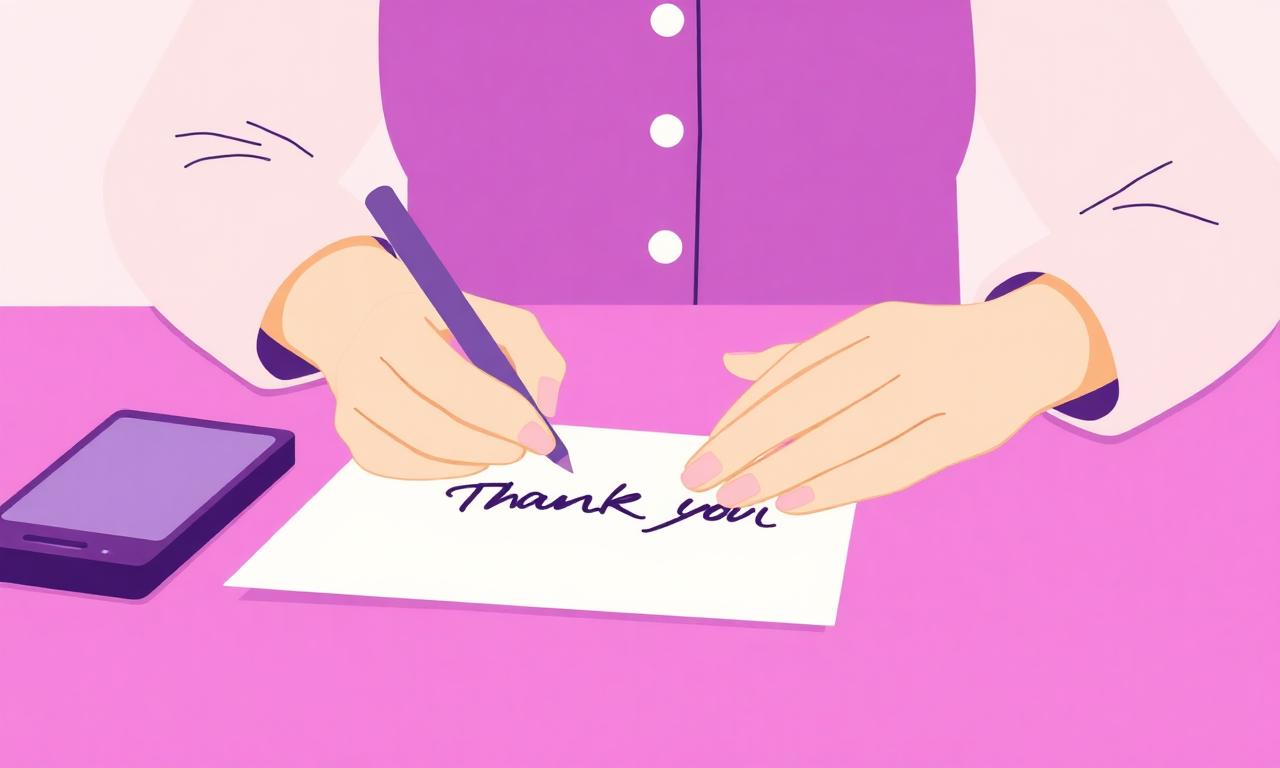
Finish the interview professionally and thank the interviewer for their time. A calm, courteous close can reinforce the interest and preparation you showed during the conversation.
Remember, these are closing statements. Don't ask questions here.
Sample closing statements
Adapt these examples and use only details that are true for your experience.
- "Thank you for taking the time to meet with me today. This sounds like an exciting opportunity and is exactly what I am looking for. I believe that my work experience with Hewlett-Packard and my unique blend of technical problem solving and people skills makes me a good candidate for this position. I'm looking forward to the next step in your selection process."
- "I appreciate you taking the time to meet with me today. My experience with products like yours appears relevant to the position, and I would welcome the chance to contribute. I'm looking forward to hearing about the next step."
- "I enjoyed meeting with you today. We covered a lot of ground this morning. My experience selling and supporting similar products through reseller channels could transfer well to this position. I hope to hear from you soon."
- "I appreciate you taking the time to meet with me today. My current responsibilities overlap with several parts of this position, and I would welcome the opportunity to bring that experience to your team. Thank you — and I look forward to hearing about the next step."
Interview Follow-Up
There are several ways to follow up after an interview. A brief same-day thank-you can be appropriate, while a request for a decision should respect the employer's stated timeline. Ask when they expect to make a decision or conduct another round, then use that answer to choose a reasonable follow-up date.
You should also find out from your interviewer who you should follow-up with as it's not always the interviewer.
The purpose of a follow-up message is to reiterate your interest or ask for an update. It may invite a response, but it cannot guarantee one or change an employer's stated process.
Is sending a follow-up message necessary? No, but a concise message can restate your interest or ask for an update. It does not guarantee a reply or affect the hiring decision in the same way at every employer.
A follow-up message and a thank-you message can serve different purposes. You might send a thank-you shortly after an interview, then follow up later if the stated decision date passes. Hiring timelines vary, so use any schedule the employer provides rather than assuming a fixed number of weeks.
The follow-up letter should follow the same format and consistency of the cover letter. Your introduction will mention either your initial resume submission or a previous conversation regarding the position. It should include a few key points that demonstrate your qualifications for the position. Close the letter with an invitation for the interviewer to contact you along with your contact information.
The Ideal Follow-Up Letter
Keep a follow-up message shorter than a cover letter. If the employer gave a decision or application-closing date, wait until that date has passed before asking for an update. Without a stated schedule, allow a reasonable interval and avoid repeated messages.
Email is a common way to follow up. Send it during normal business hours and keep it easy to answer: thank the interviewer, restate your interest, and ask whether the hiring timeline has changed. There is no universally best weekday or hour.
A phone call may be appropriate when the employer invited calls or named a contact method. Otherwise, use the channel the interviewer requested and avoid repeated calls or messages.
If they answer the phone, then just say: "Hi Mr. Stevens, this is Josh Parker. I just wanted to follow-up with you on the technical writing position that we spoke about last week. Is this a convenient time for you to talk?" You can also say the same thing if you wanted to leave a voice mail, but ask him to call you back at his convenience.
A printed thank-you may suit some employers, while email is faster and more common. Follow any communication preference the interviewer gave you.