Chronological vs Functional Resume: Which Format Should You Actually Use in 2026?
A recruiter-tested comparison of the three main resume formats — chronological, functional, and hybrid — with clear rules for choosing the one that gets you interviews.
The format you pick decides how a recruiter reads you in the first six seconds — and whether your resume ever reaches a human at all. Chronological, functional, and hybrid (combination) resumes all still exist in 2026, but only one is safe for the vast majority of applicants. This guide walks through when to use each format, why the functional resume has quietly become a red flag, and how to build a hybrid that keeps the ATS happy while foregrounding the skills you actually want to sell.
What the three main resume formats actually are
A chronological resume lists your work history from most recent to oldest, with each role expanded into three to six accomplishment bullets. A functional resume drops the timeline almost entirely and groups your content under skill headings like 'Leadership' or 'Data Analysis,' with employers relegated to a short list at the bottom. A hybrid (or combination) resume keeps the reverse-chronological work history — because recruiters still read that section first — but front-loads a strong skills summary or key-achievements block above it. In 2026, more than 90% of resumes that reach a human hiring manager are either chronological or hybrid; the pure functional layout has become vanishingly rare for a reason.
Why recruiters distrust functional resumes
Every recruiter you talk to will admit the same thing off the record: when a functional resume lands in their pile, their first assumption is that the candidate is hiding something. That something is usually one of three things — a large employment gap, a very short recent tenure, or a career history that doesn't line up with the role. Functional formats also make it hard to answer basic screening questions like 'How many years did you do X?' or 'Which of these was your most recent title?' If the reader has to work to reconstruct your timeline, they typically don't. The functional resume also fails most modern ATS parsers, which are trained on chronological structures with company + title + date triads; skill-heavy layouts frequently get scored as junior or incomplete because the parser can't attribute the skills to any specific employer.
When a chronological resume is the right call
Reach for a straight chronological resume when your work history is your strongest asset: steady progression at recognizable companies, promotions inside a single organization, or a clear specialization you've built for five or more years. Recruiters in finance, law, medicine, government, and traditional corporate roles almost universally expect chronological. If your last three jobs each represent a step up in title or scope, showcasing that ladder is the entire selling point of your resume — don't bury it under skill headings.
When a hybrid resume is the safer default
For most candidates in 2026 — career changers, returners, contractors, portfolio careers, people with a stint at a lesser-known company, and anyone whose recent title doesn't obviously match the role they're applying for — a hybrid is the right choice. The formula is simple: a 3–4 line professional summary that names your target role and your single strongest proof point; a compact 'Key Skills' or 'Core Competencies' block that mirrors 8–12 keywords pulled from the job posting; and then a fully chronological work history with quantified bullets. This gives the ATS the keywords it needs, gives the recruiter the timeline they want, and gives you the space to explain the story of your career on your own terms.
The single situation where a functional resume can still work
There is exactly one situation where a purely functional resume is defensible in 2026: a mid-career pivot where your paid work history is genuinely unrelated to the target role and where you have substantial evidence of the new skill outside of employment — bootcamp projects, published open-source work, a portfolio of freelance clients, or a certification with practical output. Even then, the strongest move is a hybrid resume with a 'Selected Projects' section above your work history, not a pure functional layout. If you feel drawn to functional because you have a gap, don't hide it — address it directly with one honest line in your summary. Recruiters overwhelmingly reward candor over camouflage.
How ATS software actually reads each format
Modern parsers (Workday, Greenhouse, Lever, iCIMS, Taleo) all work the same way: they scan for structural anchors — dates in a recognizable format, an employer name, a job title on the adjacent line, and bullet points beneath. Chronological and hybrid resumes give the parser exactly what it expects, so the resulting candidate profile is populated correctly and your resume is searchable by every keyword you included. Functional resumes break the anchor pattern; the parser typically extracts your skills into the 'Skills' database field but leaves the 'Experience' field empty or misfilled, which quietly excludes you from a huge share of recruiter searches that filter on years of experience at a given title.
What each format looks like on the page
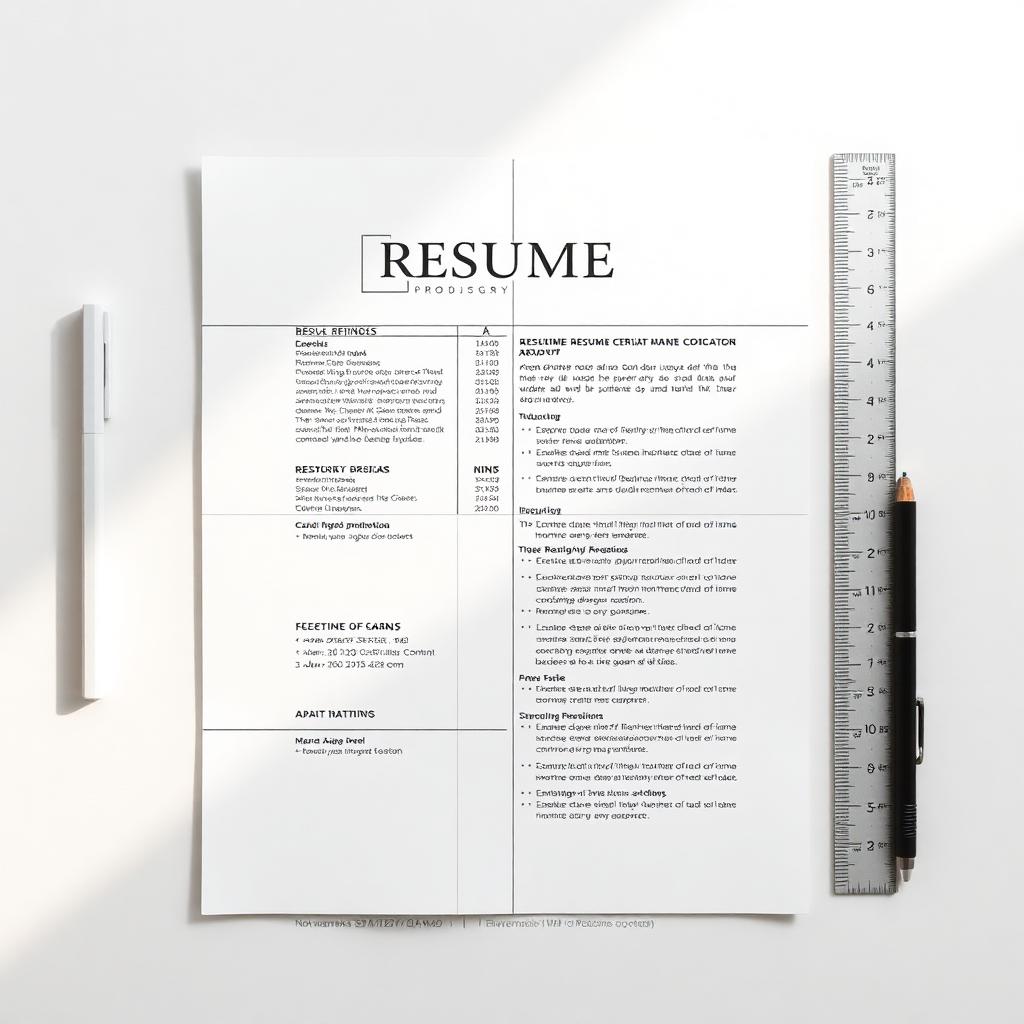
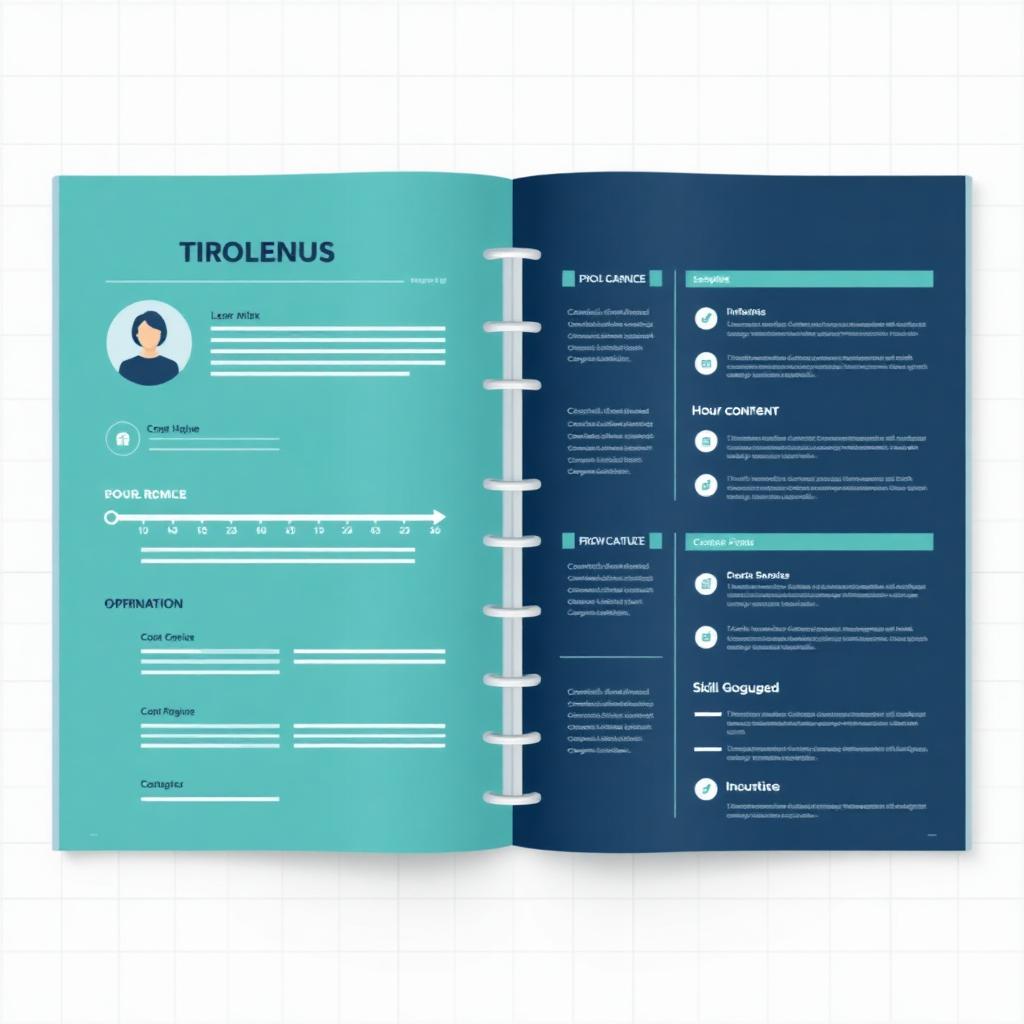
A chronological resume flows top-to-bottom: contact block, one-line summary, education (only if you're within five years of graduation), then Work Experience with employer + title + dates + bullets, then Skills, then optional Certifications or Volunteer sections. A hybrid resume swaps the order of the top blocks: contact, then a 3-line summary, then a Core Skills grid, then a Selected Achievements block of 3–5 stand-out lines pulled from your career, then the full chronological Work Experience, then Education. A functional resume opens with 3–4 skill headings each containing 4–6 accomplishment bullets, with a bare list of 'Employment History' — company, title, dates only — at the bottom.
Section order rules that actually matter
- Contact info always at the top, never in a header/footer that a parser may skip.
- Summary or objective directly under contact — 3 lines max, quantified.
- Work Experience before Education for anyone with 3+ years of career.
- Education before Work Experience only if you're a new grad or the degree is the qualifying credential (JD, MD, PhD).
- Skills as a compact block, not a two-column visualization with rating dots.
- Certifications, publications, and speaking should be their own sections only if they're directly relevant to the role.
- Volunteer, hobbies, references — cut unless the posting specifically asks.
How to pick your format in under two minutes
Ask three questions in order. First: does my recent work history tell the story I want to tell? If yes → chronological. Second: am I changing industries, returning after a gap, or applying to something my last title doesn't obviously qualify me for? If yes → hybrid. Third: am I choosing functional to hide something? If yes → don't. Address the thing directly in a hybrid instead. This decision tree covers 99% of real candidates.
Real examples: same career, three formats
Imagine a candidate — 8 years in marketing, last two as a senior manager, applying for a director role. The chronological version leads with the senior manager job and its five quantified bullets, then rolls back through prior roles. The hybrid version opens with a 3-line summary ('B2B marketing leader with 8 years scaling SaaS demand-gen…'), a Core Skills block of 10 tags, three headline achievements ('Grew MQL volume 4.2x in 18 months', etc.), then the same chronological work history. The functional version groups accomplishments under 'Growth Marketing,' 'Team Leadership,' 'Analytics,' with the employer list buried at the bottom. Same candidate, same wins — but only the first two formats let a recruiter answer 'how many years as a manager?' in under five seconds. The functional version is a no-hire before it's even read.
Common formatting mistakes that kill either format
- Using tables, text boxes, or multi-column layouts — parsers frequently drop the contents.
- Putting critical info (name, email, phone) inside a header or footer.
- Uploading a resume as an image, a screenshot, or a scanned PDF.
- Using creative dates like 'Fall 2024–Present' — always use MM/YYYY or Month YYYY.
- Listing more than 15 years of experience unless the role explicitly asks for it.
- Inconsistent tense: past tense for old roles, present tense for the current one — pick a rule and hold it.
- Using icons or graphics to represent skills — most ATS ignore them and human readers find them dated.
How Resumeva handles format for you
Every Resumeva template ships as a hybrid by default with a chronological toggle, and both variants have been tested against Workday, Greenhouse, iCIMS, Lever, and Taleo. That means you can pick the visual you like, choose your target format in one click, and the underlying structure will still parse cleanly. Run any version through the ATS Resume Checker before you send it — the score tells you not just whether the parser can read your resume, but which keywords from the job posting you're currently missing.
Why this matters
The advice in this guide is drawn from real recruiter conversations and analysis of what actually moves candidates forward. Apply it as a checklist on your next application.
Put it into practice
Don't try to apply everything at once. Pick the one or two changes that feel most relevant to your situation, ship the update, and measure the response over your next 10 applications.
Common mistakes to avoid
- Treating advice as universal — context always matters
- Over-editing until your voice disappears
- Skipping the proofread because you've read it 30 times
- Forgetting that recruiters are people, not algorithms
Build your ATS-friendly resume
Choose a layout and build a resume using your own experience.
Check your ATS score
Review what Resumeva extracts and the findings its own scoring method produces.
Frequently asked questions
Which resume format is best in 2026?+
For most people, a hybrid resume — a strong summary + skills block above a fully chronological work history. Pure chronological is right when your work history is your strongest asset; pure functional is almost always wrong in 2026 because recruiters and ATS both distrust it.
Do ATS systems reject functional resumes?+
They don't 'reject' them, but they frequently misparse them. The 'Experience' field often ends up empty because there's no employer-title-date triad the parser can attribute skills to, which quietly excludes you from any recruiter search that filters by years at a specific title.
Can a hybrid resume look creative or does it have to be plain?+
It can look modern and designed as long as the underlying structure is a single-column, parser-friendly layout with real text (not images), standard section headings, and unambiguous date formatting. Skip tables, columns, and text boxes.
How long should a chronological or hybrid resume be?+
One page for candidates with under 10 years of experience; two pages only when the additional page is genuinely relevant to the role. A three-page resume is almost never the right call outside academia or medicine.
Is it okay to combine chronological with a small skills block?+
Yes — that's exactly what a hybrid resume is. The skills block should be compact (8–12 items in a single row or two-column grid) and should mirror the language of the job posting.
Keep building
Tools and examples that pair with this guide.
General career guidance and examples. Adapt suggestions to your own experience; employer requirements and hiring outcomes vary.