Cover Letter vs Resume: When You Need Both
What each document does, what each one shouldn't do, and how to make them work together.

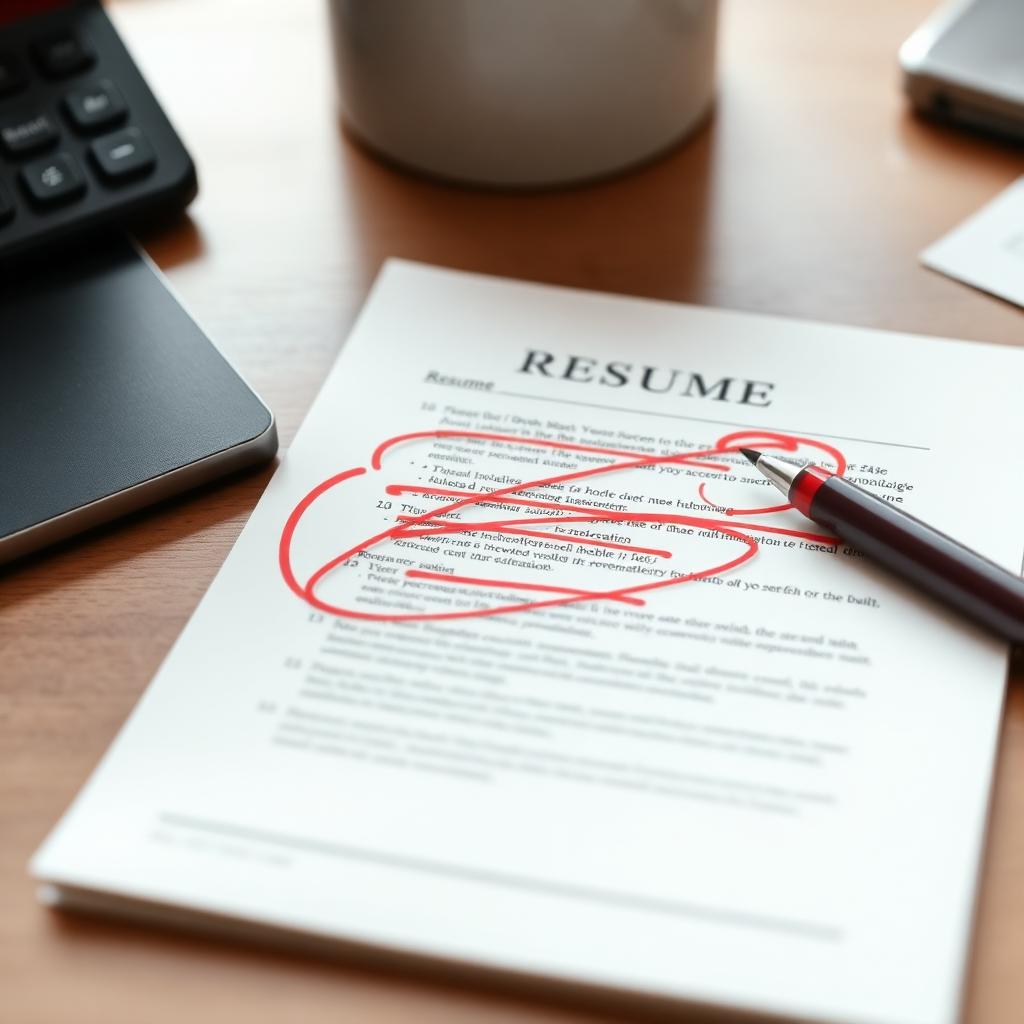
Your resume is the evidence; your cover letter is the argument. Together they answer two different questions a hiring manager always asks: 'Can this person do the job?' and 'Why should I want to talk to them?'
What the resume does
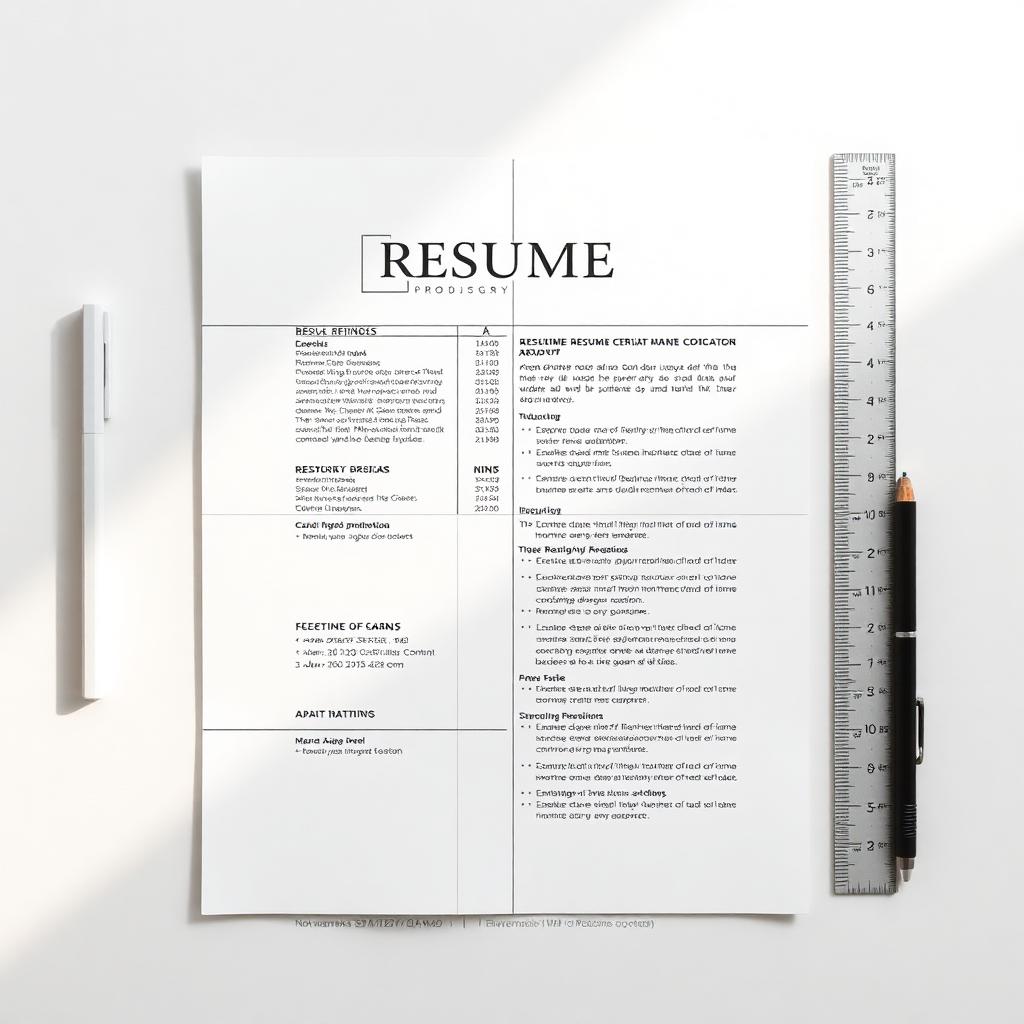
Lists the credentials, scope, and outcomes that prove you can do the job. Skimmable, structured, keyword-rich, and as factual as a tax return. The resume should answer 'what have you done?' in 7 seconds.
What the cover letter does
Tells the story your resume can't: why this company, why this role, why now. It's where you connect dots a recruiter would otherwise miss — a career switch, a recent move, a specific reason this team excites you.
What each should NOT do
- The resume should not narrate — it should evidence
- The cover letter should not list — it should argue
- Neither should repeat the other word-for-word
- Neither should run more than one page
When you need both vs just the resume
Always send both unless the posting explicitly says 'no cover letter'. 'Optional' usually means 'extra credit'. If you're applying to a quick-apply platform with no cover-letter field, skip it. If there's a field, use it — even a 3-paragraph letter outperforms an empty field.
Make them work together
The cover letter's hook references a specific resume bullet ('That $4M ARR turnaround I led at Acme is the exact problem you're hiring this role to solve.'). The resume supports the cover letter's claims. Recruiters who read both should feel one coherent candidate, not two.
Why this matters
The advice in this guide is drawn from real recruiter conversations and analysis of what actually moves candidates forward. Apply it as a checklist on your next application.
Put it into practice
Don't try to apply everything at once. Pick the one or two changes that feel most relevant to your situation, ship the update, and measure the response over your next 10 applications.
Common mistakes to avoid
- Treating advice as universal — context always matters
- Over-editing until your voice disappears
- Skipping the proofread because you've read it 30 times
- Forgetting that recruiters are people, not algorithms
Build your ATS-friendly resume
Choose a layout and build a resume using your own experience.
Check your ATS score
Review what Resumeva extracts and the findings its own scoring method produces.
General career guidance and examples. Adapt suggestions to your own experience; employer requirements and hiring outcomes vary.