LinkedIn Profile Optimization for Job Seekers
How to turn your LinkedIn into a recruiter magnet — headline, About, Experience, and the signals that actually matter.
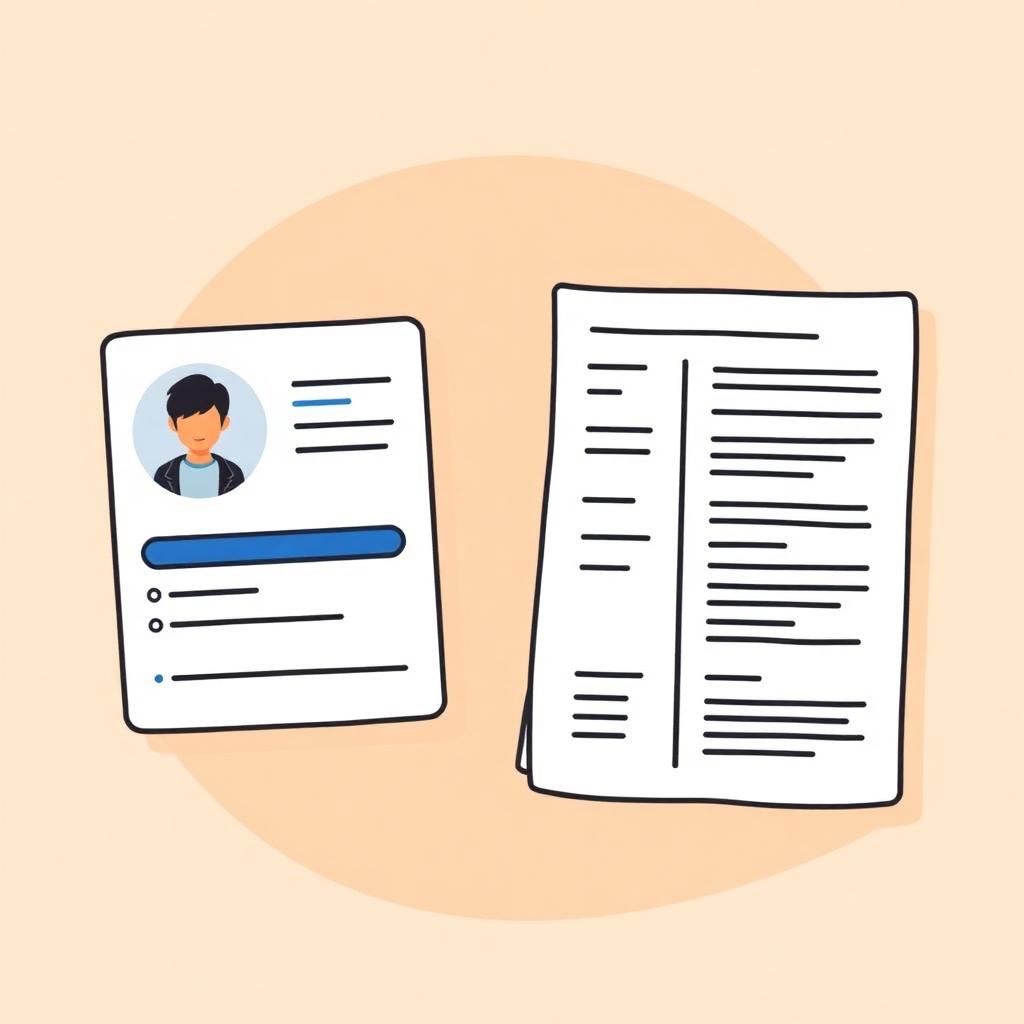
LinkedIn is the second resume every recruiter checks — and the first one for inbound roles. Optimizing it doubles the number of recruiters who reach out, and dramatically lifts response rates on cold outreach.
Headline: not your job title — your positioning
Your headline is the 220 characters every recruiter sees in search. Use it. 'Senior Backend Engineer | Distributed systems @ scale | Previously Stripe, Datadog' is searchable and specific. 'Software Engineer at Acme Corp' is the default and disappears.
About section: 3 paragraphs, ~150 words
Paragraph 1: who you are and what you do best. Paragraph 2: 2–3 specific accomplishments with numbers. Paragraph 3: what you're looking for and how to reach you. Don't use the same text as your resume summary — write it like you're introducing yourself to a stranger at a conference.
Experience: mirror your resume, expand strategically
Same titles, dates, and companies as your resume. Bullets can be slightly longer — LinkedIn has more space. Add the rich media (links, slides, project images) you couldn't fit on a PDF.
Skills, endorsements, and recommendations
List 15–25 real skills — the same keywords from your resume. Get 3–5 recommendations from people you've actually worked with: a manager, a peer, a direct report. Three specific recommendations outperform twenty generic endorsements.
The signals recruiters search on
- Open-to-Work setting (private to recruiters only is fine)
- Location matching the role's market
- Industry and seniority tags matching what you're targeting
- Active in the last 30 days — even one comment or share counts
- A real profile photo (head and shoulders, neutral background)
Keep your resume and LinkedIn aligned
Recruiters cross-check. Mismatched titles, dates, or company names are red flags. Update both together. If you change a title on your resume, change it on LinkedIn the same day.
Why this matters
The advice in this guide is drawn from real recruiter conversations and analysis of what actually moves candidates forward. Apply it as a checklist on your next application.
Put it into practice
Don't try to apply everything at once. Pick the one or two changes that feel most relevant to your situation, ship the update, and measure the response over your next 10 applications.
Common mistakes to avoid
- Treating advice as universal — context always matters
- Over-editing until your voice disappears
- Skipping the proofread because you've read it 30 times
- Forgetting that recruiters are people, not algorithms
Build your ATS-friendly resume
Choose a layout and build a resume using your own experience.
Check your ATS score
Review what Resumeva extracts and the findings its own scoring method produces.
General career guidance and examples. Adapt suggestions to your own experience; employer requirements and hiring outcomes vary.