How to Change Careers at 30 Without Losing Momentum
Changing careers at 30 sits in a specific sweet spot most professionals underrate

Changing careers at 30 sits in a specific sweet spot most professionals underrate. You have enough real experience that employers take you seriously, and enough runway ahead that a two-to-three-year reinvestment still compounds into decades of return. The specific challenge is not whether the change is possible — the market absorbs thousands of thirty-somethings into new fields every year — but whether you approach the transition with the specific discipline that produces a strong landing versus the specific improvisation that produces a long lateral drop. This guide walks through the specific playbook for changing careers at 30 in ways that preserve your specific earning trajectory while opening the specific new field. You will learn how to evaluate whether the change is right, how to identify the specific transferable skills that carry across fields, how to structure a specific bridge period, how to position your resume for the new specific target, and how to negotiate the specific first offer in the new field without accepting an entry-level reset.
Deciding Whether the Change Is Actually Right
The specific first question to answer is not 'how do I change careers' but 'should I actually change careers.' The specific answer is far from automatic. Many thirty-somethings who feel restless in their specific current role would be better served by a specific internal move, a specific role change within their current company, or a specific external move to a similar role at a different company than by a specific full career change into a fundamentally different field. The specific diagnostic that works: identify the specific reasons you want out of your current path, and evaluate whether those specific reasons are about the specific field or about the specific specific role you are currently in. If the specific complaints are about company culture, specific manager, specific work-life balance, or specific compensation, those specific issues often resolve with a specific role change rather than a specific career change. If the specific complaints are about the specific nature of the work itself, the specific industry, or the specific long-term trajectory of the field, then a specific career change is likely the right specific move.
Identifying Transferable Skills That Carry Across Fields
The specific most important preparation work for any specific career change is a rigorous audit of the specific skills you have developed that will transfer to the specific new field. Most thirty-somethings dramatically underestimate the specific value of their specific transferable skills — the specific project management, communication, stakeholder navigation, technical fluency, and analytical thinking they have built over the specific first eight to ten years of their career. Sit down with the specific role descriptions for your target new field and identify the specific overlap between the specific skills those roles require and the specific skills you have already demonstrated. In most cases, the specific overlap is 40 to 70 percent, even for changes that feel enormous from the inside. The specific work of the career change is not building new skills from zero — it is building the specific 30 to 60 percent gap while re-framing the specific 40 to 70 percent overlap in the specific vocabulary of the new field.
Structuring a Bridge Period Rather Than a Jump
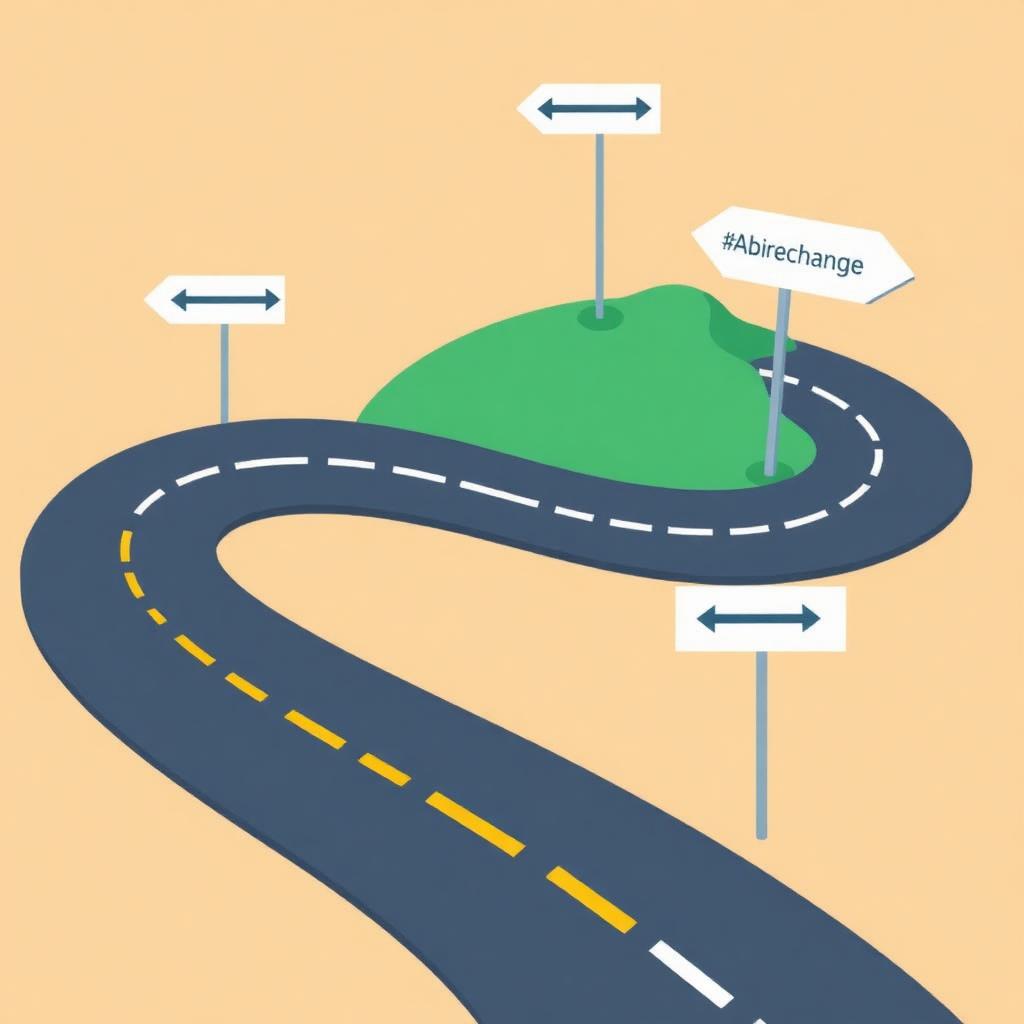
The specific most successful career changes at 30 are almost never single dramatic jumps. They are specific bridge periods of 6 to 18 months during which the specific transition happens gradually — while the specific current role continues paying the bills. Structure your specific bridge period intentionally. Take a specific evening course in the specific new field. Take on a specific side project or a specific pro-bono engagement that produces specific real work in the specific new domain. Build a specific portfolio of two or three specific demonstrable outputs. Have specific conversations with 15 to 25 specific people currently working in the specific new field. This specific bridge work is what converts a specific vague interest into a specific credible candidacy for the specific first role in the specific new field.
Repositioning Your Resume for a New Target
A specific resume built for your specific current field will not land you interviews in a specific new field, and this is where most specific career changers fail. The specific fix is to rebuild the specific resume from scratch around the specific vocabulary and specific priorities of the specific new field, using the specific bridge work as evidence of specific commitment and specific capability. Lead with a specific professional summary that names the specific new target explicitly. Reframe every specific bullet point in your specific past experience through the specific lens of the specific new field — the specific project management story becomes a specific product management story, the specific analysis story becomes a specific data science story. Add the specific bridge-period work as its own section, ideally with specific outcomes. Resumeva's Resume Builder makes this specific reframing much faster by helping you match specific language to specific target roles.
Interviewing as a Career Changer
Career-change interviews contain a specific question you must be ready for: 'Why are you making this change?' The specific worst answers are complaints about the specific old field ('I'm burned out on consulting'). The specific best answers are specific, forward-looking, and grounded in specific evidence. Script: 'Over the past specific 18 months, I've been intentionally building toward this specific transition — I've completed specific coursework, taken on specific side projects, and had specific conversations with people in the field. What excited me about this specific role in particular is [specific reason grounded in the specific company/team]. I'm confident that the specific skills I've built in [specific past experience] combined with the specific new work I've done position me to contribute here immediately.' This specific structure demonstrates specific intentionality, specific preparation, and specific fit — the three specific things every career-change interviewer is evaluating.
Negotiating the First Offer Without a Full Reset
The specific most common mistake at 30 is accepting a specific entry-level offer in the specific new field on the assumption that the specific change requires starting over. In most cases, it does not. Your specific transferable skills — the specific project management, the specific stakeholder work, the specific analytical thinking — are worth real money in the specific new field, and employers will pay for them if you make the specific case. The specific approach: research the specific salary range for the specific new role at the specific junior-to-mid level (not entry-level), and negotiate at that specific level. Script: 'Based on my specific research, junior-to-mid roles in this specific field pay $X to $Y. Given my specific transferable experience, I'm targeting the specific top of that range.' This specific framing prevents the specific entry-level reset and typically produces offers 20 to 40 percent higher than the specific default. Combined with a specific resume optimized through Resumeva's Resume Builder, the specific first offer in the specific new field can be meaningfully closer to your specific current compensation than most career changers assume.
Build your ATS-friendly resume
Choose a layout and build a resume using your own experience.
Check your ATS score
Review what Resumeva extracts and the findings its own scoring method produces.
Frequently asked questions
Should I actually change careers at 30, or just change roles?+
First diagnose what you're escaping. Complaints about culture, manager, or comp usually resolve with a role change. Complaints about the nature of the work itself, the industry, or the long-term trajectory point to a real career change.
How much of my skill set actually transfers?+
In most cases, 40 to 70 percent — even for changes that feel enormous from the inside. Project management, communication, stakeholder navigation, analytical thinking, and technical fluency carry across almost every field.
How long should the bridge period be?+
6 to 18 months typically. Take an evening course, ship a side project, build a small portfolio, and have 15 to 25 informational conversations in the target field while your current role pays the bills.
How do I answer 'why are you making this change?'+
Never lead with complaints about the old field. Lead with intentional preparation: 'Over the past 18 months I've completed [specific coursework], taken on [specific projects], and had [specific conversations]. What excites me about this role is [specific reason].'
Do I have to reset to entry level?+
Usually not. Research the junior-to-mid range for the new field and negotiate at that level, citing transferable experience. This typically produces offers 20 to 40 percent higher than an entry-level reset.
What's the most common mistake at 30?+
Jumping without a bridge period. Career changes without 6+ months of deliberate preparation produce long, painful landings; changes with a real bridge period land much faster and much closer to your prior compensation.
Keep building
Tools and examples that pair with this guide.
General career guidance and examples. Adapt suggestions to your own experience; employer requirements and hiring outcomes vary.