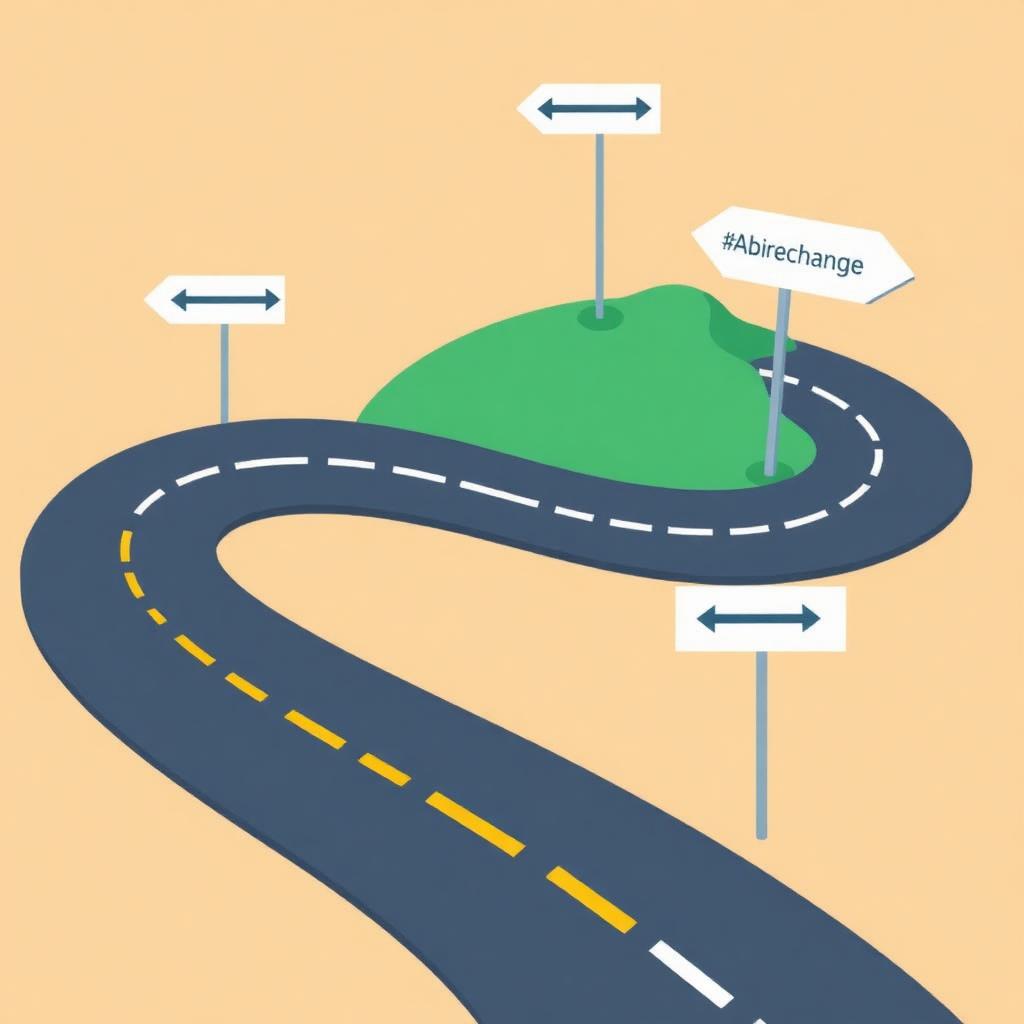
Navigating Office Politics With Integrity
Office politics are unavoidable in any organization with more than a few people. The question is not whether to engage but how — this guide covers the moves that build real influence without compromising who you are.

Almost everyone claims to hate office politics, and almost no one avoids them successfully. The reason is simple: any group of people making decisions together develops informal patterns of influence, trust, and coalition-building — and calling those patterns 'politics' does not make them go away. The people who claim to be above office politics are usually just being played by people who understand the game better. This guide takes a different position. Office politics are not inherently corrupt; they are the informal layer through which decisions actually get made in most organizations. Learning to operate in that layer with integrity — building real relationships, being trustworthy, understanding how influence actually flows — is a core professional skill. This is not about backstabbing or performative alliances. It is about being effective in the environment you are actually in, while still being someone you respect at the end of the day.
Reframing What Office Politics Actually Are
The most common definition of office politics is something like 'unethical maneuvering for personal advantage at the expense of the team.' That definition covers the worst version of politics, but it misses the ordinary version that exists in every functioning organization. Ordinary office politics is closer to 'the informal system of trust, influence, and coalition through which real decisions get made outside of formal meetings and org charts.' Every decision above a certain level of importance gets pre-negotiated before the meeting where it is formally decided. Leaders talk to each other in one-on-ones, in hallway conversations, in Slack DMs, and by the time the decision meeting happens the outcome is often ninety percent settled. If you do not understand who is influencing those conversations, you will keep being surprised by outcomes and mistakenly conclude that decisions are irrational. They are not irrational; they are just being made in a layer you cannot see. Accepting this reality does not require abandoning your values. The most senior people in any organization tend to be politically sophisticated and personally ethical — those two things are not in tension. They understand how influence works, they build genuine relationships, they know who to consult and when, and they do it in service of good outcomes rather than pure self-interest. That is the version of office politics worth learning.
Understanding How Influence Actually Flows
The formal org chart tells you who reports to whom. The influence map tells you whose opinion actually matters on any given decision, and it rarely lines up with the org chart. Learning to read the influence map is one of the most valuable skills in any organization, and it starts with paying attention to a specific set of signals. Watch for who gets consulted before a major decision, even when they are not the formal decision-maker. Watch for whose office (or Slack thread, or one-on-one calendar) the executives spend the most time in. Watch for whose objections to a proposal reliably kill it and whose enthusiasm reliably accelerates it. These patterns tell you where informal power actually lives, and they often reveal senior individual contributors, long-tenured staff, or specific advisors who wield far more influence than their title suggests. Once you can see the map, use it wisely. Before you push for a significant change, identify the three or four people whose support would make the change likely and the two or three who could block it. Spend time with them, understand their concerns, and where possible incorporate their input before the formal decision moment. This is not manipulation — it is exactly the kind of thoughtful stakeholder management that separates senior operators from junior ones. Skipping it and hoping the merits of your idea will carry the day almost never works in any organization above a certain size.
Building the Kind of Relationships That Actually Help
The relationships that give you real influence are not the ones you build by 'networking' aggressively. They are the ones you build by being consistently reliable, professionally generous, and genuinely interested in other people's work over time. This is slow, quiet, and unglamorous, but it is the foundation of every senior person's influence. Start with the peers at your own level. These are the people who will be running the company in five to ten years. Take the time to actually know what they work on, what their pressures are, and what would help them. Send them the article that is relevant to their project. Introduce them to someone useful. Give them credit publicly when they help you. Over time, these small deposits compound into a genuine network of peers who trust you, and who will advocate for you when they have the chance. Similarly, invest in relationships upward and downward. Your skip-level manager should know who you are and what you work on — not through aggressive self-promotion, but through the natural course of your work being visible and your name coming up favorably. The people who report to your peers should experience you as a helpful, easy-to-work-with cross-functional partner. These relationships take years to build but they become the fabric of your professional life, and they are what makes the difference between a career that stalls and one that keeps opening up new opportunities.
Handling Difficult People Without Becoming One
Every workplace has difficult people — the credit-taker, the passive-aggressive peer, the manager who plays favorites, the executive who blows up in meetings. Learning to handle these people without becoming difficult yourself is one of the highest-leverage skills in office politics, and one of the hardest to master. The first move is emotional distance. The person who is being difficult almost always wants a reaction — visible frustration, defensive counter-attacks, matched aggression. Depriving them of the reaction while continuing to be professionally effective is disorienting for them and reads as maturity to everyone else in the room. This does not mean being a doormat; it means responding to substance while ignoring the emotional bait. 'That is an interesting concern. Here is how we thought about it.' Delivered calmly, this defuses more difficult conversations than any counter-attack ever will. When a specific person is genuinely toxic and repeatedly damages your work, document carefully and escalate through the right channels. This is not politics as a game; it is legitimate professional self-protection. Keep records of incidents, share concerns with your manager in factual language, and if the pattern continues, consider whether HR involvement is warranted. The version to avoid is complaining loudly to peers, which usually damages your reputation more than the difficult person's. Handle it privately, factually, and through formal channels when needed.
Political Moves That Cost More Than They Earn
Certain political moves feel powerful in the moment but consistently cost more than they earn over any meaningful time horizon. Recognizing them in yourself is important, because most of them come from anxiety or frustration rather than strategy.
- Going around your manager to their manager without warning — even if you win the specific issue, you often lose your manager's trust permanently.
- Publicly correcting a peer or a senior person in a meeting when a private message would work — the person you corrected will remember.
- Taking credit for a peer's work, even in small ways — this is the fastest way to lose peer trust, and peers talk.
- Complaining about colleagues to other colleagues — this is nearly always repeated, often out of context.
- Making yourself the center of every conflict — you will start being seen as the source of the conflicts.
- Aligning too visibly with one leader when the political landscape is uncertain — you inherit their enemies without their protection.
- Ignoring the political layer entirely and being surprised when decisions do not go your way — refusing to play does not mean the game is not happening.
Preserving Your Integrity Under Pressure
The hardest moments in office politics are the ones where doing the right thing is genuinely costly. Speaking up when a senior person is proposing something you disagree with, disclosing a mistake that could hurt your reputation, refusing to participate in an initiative you believe is wrong. These are the moments that define whether your political sophistication is in service of your values or a substitute for them. The key is to keep the specific move as clean and professional as possible. When you disagree, disagree with the substance, not the person. 'I want to flag a concern I have with the proposal.' When you disclose a mistake, disclose it clearly and lead with the fix rather than the apology. 'Here is what happened, here is what we are doing about it, and here is how we prevent it going forward.' When you refuse to participate in something, do so quietly and without moral grandstanding — 'I do not think I am the right person for that project' is usually enough. Over the long run, integrity is actually one of the most politically valuable assets you can have. People will trust you with real information because they know it will not be weaponized. Leaders will give you difficult assignments because they know you will not blame others when things go wrong. Peers will confide in you and back you up in tight moments. All of that is influence, and it is the kind of influence that survives changes in management and shifts in strategy.
Knowing When the Politics Have Turned Toxic
Even skilled political operators eventually encounter environments where the politics have become genuinely toxic — where honesty is punished, where credit is systematically stolen, where the leadership is either malicious or absent. Recognizing when you are in one of those environments, rather than in a normal-difficult one, is the final skill worth developing. The signs are consistent. Multiple people you respect have left, giving similar reasons on the way out. The performance review process feels detached from actual performance. Leadership makes major decisions without any real input from the people who would need to execute them. You find yourself becoming a version of yourself you do not like — more cynical, more defensive, more transactional — because the environment rewards it. When several of these are true, the political skill worth developing is exit strategy, not deeper engagement. When it is time to leave, do it the same way you have handled everything else: professionally, cleanly, and with your reputation intact. Update your resume with Resumeva's Resume Builder to reflect the specific skills you have built even in a difficult environment, run the ATS Resume Checker against the roles you are targeting, and use the Cover Letter Builder to frame the transition constructively. Do not badmouth the company you are leaving in interviews or on the way out; the world is small and the story of how you left will follow you. Handled well, even a departure from a bad environment can strengthen your professional standing rather than diminish it.
Build your ATS-friendly resume
Choose a layout and build a resume using your own experience.
Check your ATS score
Review what Resumeva extracts and the findings its own scoring method produces.
Frequently asked questions
Is it possible to avoid office politics entirely?+
No. Any group making decisions together develops informal patterns of influence and trust. The people who claim to be above politics are usually just being outmaneuvered by people who understand the game better.
Can I play politics without compromising my integrity?+
Yes. The most senior people in most organizations are politically sophisticated and personally ethical — those two things are not in tension. Understanding influence and building genuine relationships in service of good outcomes is not corruption.
How do I read who actually has influence?+
Watch who gets consulted before major decisions, whose office the executives spend time in, whose objections reliably kill proposals, and whose enthusiasm reliably accelerates them. Influence rarely matches the formal org chart.
How should I handle a difficult person on my team?+
Deprive them of the reaction they are seeking. Respond to substance while ignoring emotional bait. Document patterns carefully, share concerns with your manager factually, and escalate through formal channels if the pattern continues.
Should I go over my manager's head?+
Only in very serious circumstances. Even when you win the specific issue, you often lose your manager's trust permanently, which costs more than most individual wins are worth.
When are the politics too toxic to keep engaging with?+
When multiple respected colleagues have left with similar concerns, when the review process is detached from actual performance, and when you find yourself becoming a version of yourself you do not like. At that point, the skill worth developing is exit strategy, not deeper engagement.
Keep building
Tools and examples that pair with this guide.
General career guidance and examples. Adapt suggestions to your own experience; employer requirements and hiring outcomes vary.