How Recruiters Read Resumes in the First 10 Seconds
The 6-second scan number is outdated. In 2026, recruiters spend closer to 10–15 seconds — and here's exactly where their eyes go, and what wins that window.

The famous '6-second resume scan' number came from a 2012 Ladders eye-tracking study. A 2018 follow-up study by the same team measured 7.4 seconds. In 2026, with more complex resumes and remote-first recruiting, the working consensus among corporate recruiters is closer to 10–15 seconds for the first pass — long enough to answer 'is this person plausibly qualified for this role?', short enough that you have to design for it. This is what recruiters actually look at in that window, and how to win it.
What the scan is answering
The 10-second scan is not evaluating your fit. It is answering a single question: 'is this person plausibly qualified for the role I'm hiring for right now?' Recruiters open a queue of 40 candidates, scan each for 10–15 seconds, and split the pile into 'move to phone screen', 'maybe', and 'no'. Your resume's job is to land in the first pile. Depth comes later, in the phone screen.
Where the eyes actually go
Eye-tracking research (Ladders 2012, 2018; Ladders/TheLadders 2023 informal replication) consistently shows the same pattern: name and current role first, most-recent employer second, most-recent role dates third, education fourth, skills or keywords fifth. The scan follows an F-pattern on the top third of page one, with brief glances at the second page only if the first page passes.
What wins the scan
First: a headline under your name that names the role you want, not 'Aspiring Product Manager' or 'Passionate Marketer'. If the role is 'Senior Product Manager', your headline says 'Senior Product Manager | B2B SaaS | Growth & Onboarding'. Second: a current or most-recent role that reads as adjacent to the target role. Third: a summary line that names the role, years of experience, and two domain specifics (industry, function, notable outcome). If the top third of page one answers 'yes, plausibly' in ten seconds, you advance.
What loses the scan
Vague headlines ('Experienced professional'), a current role at a company the recruiter has never heard of with no context on what the company does, dense summary paragraphs longer than three lines, and formatting choices that hide the current role behind a large 'About Me' block. Also, photos — in the US market, resume photos consistently harm outcomes at large employers because they raise compliance flags for the recruiter.
How to design for the 10-second scan
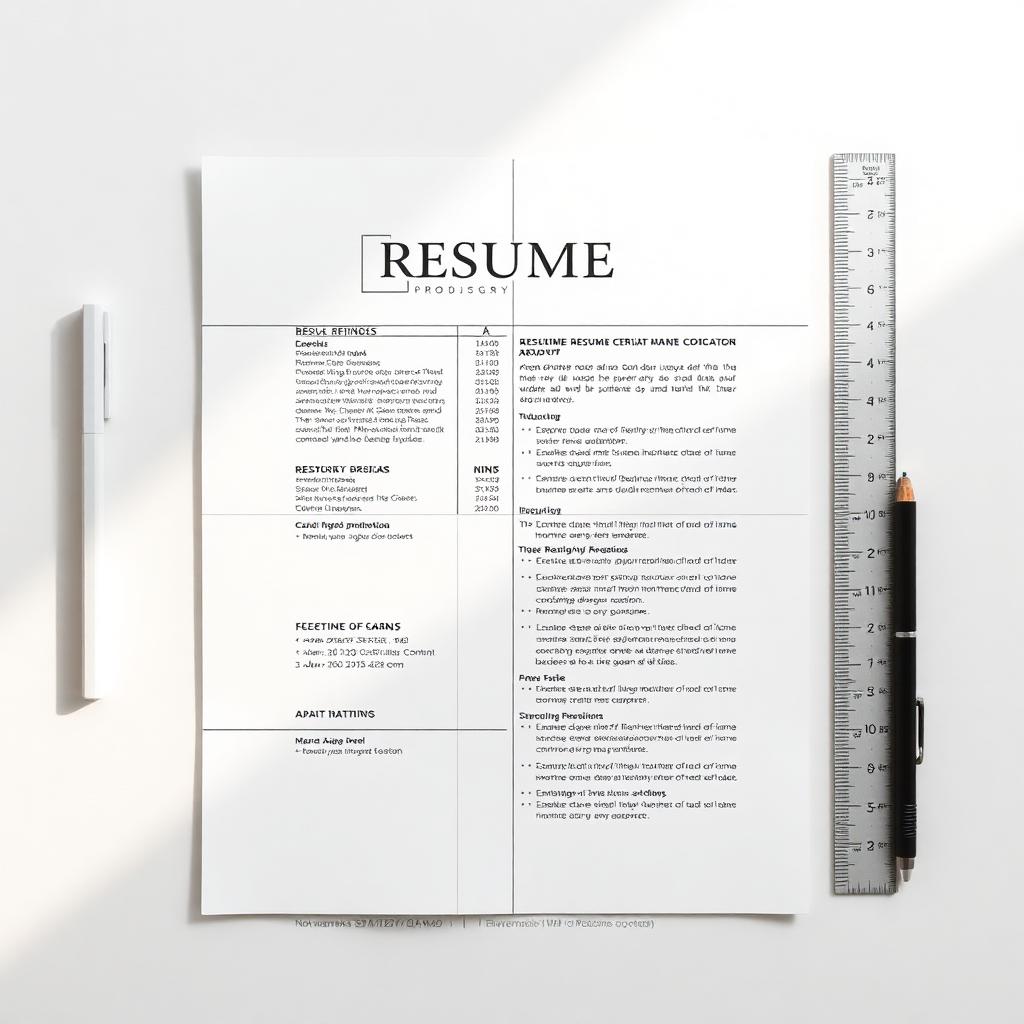
Give the top third of page one the following, in this order: name, headline naming target role and 2 domain specifics, contact info on one line, three-line summary naming role and years, most-recent employer + role + dates. Everything else moves down. If the recruiter cannot answer 'is this person a plausible fit?' from that top third without scrolling, the design is wrong.
The second pass — if you clear the first
Candidates who clear the 10-second scan get a second pass of 60–90 seconds. This pass reads bullets, looks for quantified outcomes, and checks that the story of your career makes narrative sense (no unexplained titles going backwards, no unexplained employment gaps). Optimizing for the second pass is where quantification and tailored bullets earn their weight — but they earn nothing if the first pass rejected you.
How Resumeva helps
The ATS Resume Checker at /ats-resume-checker specifically flags top-third signal issues — vague headlines, missing role naming in the summary, current-role placement — as separate line items in the score. Fix those first; they move the biggest needle in the 10-second window.
Build your ATS-friendly resume
Choose a layout and build a resume using your own experience.
Check your ATS score
Review what Resumeva extracts and the findings its own scoring method produces.
General career guidance and examples. Adapt suggestions to your own experience; employer requirements and hiring outcomes vary.