
Traditional Resume Templates
Conservative layouts suited to finance, law, consulting, healthcare, government, and academia. Designed to present experience clearly.
May suit
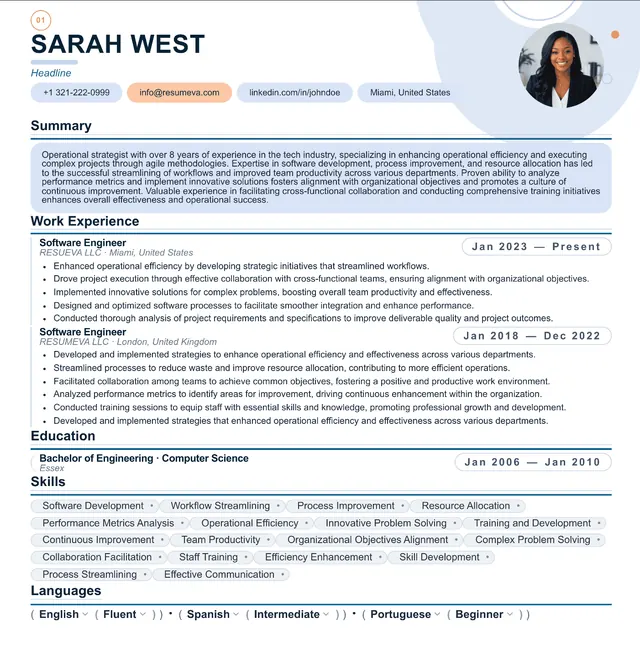
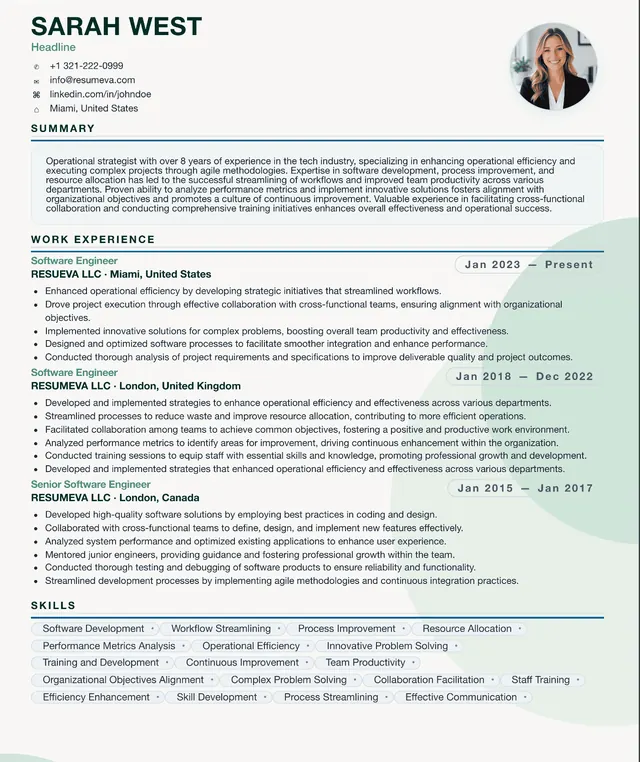
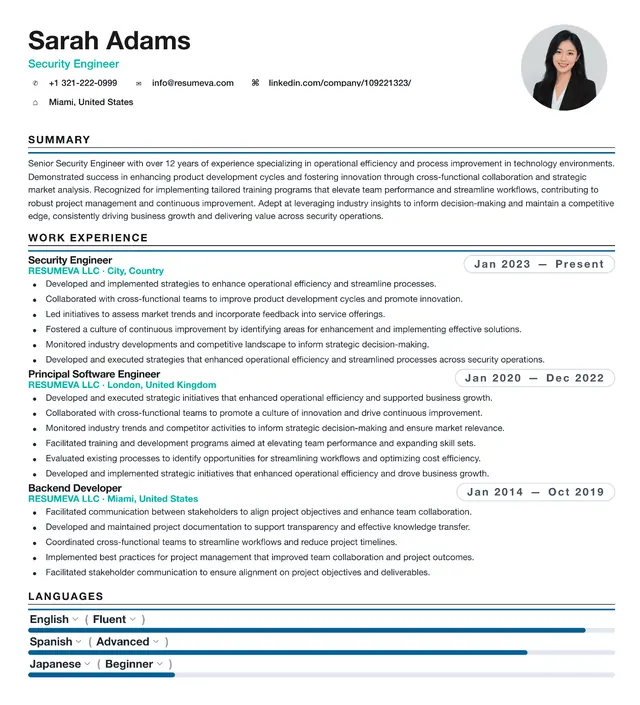
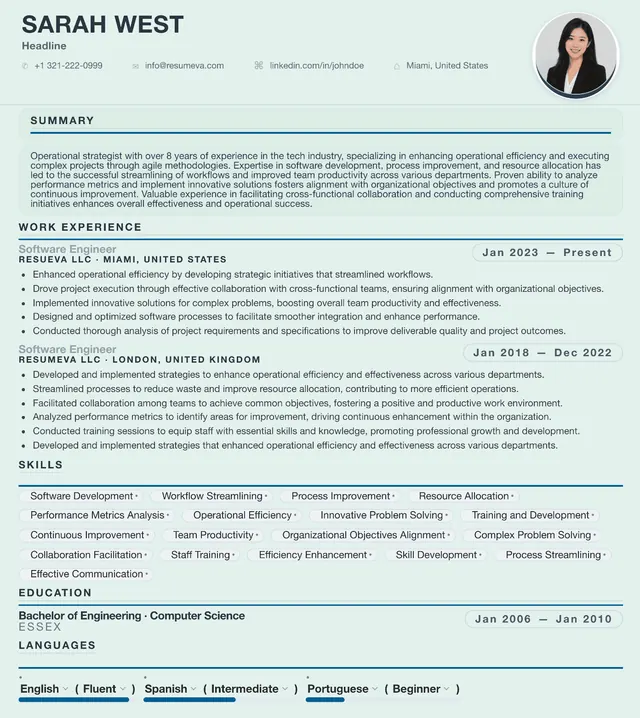
Preview content is fictional. Choosing a template starts a blank resume.
“Popular recently” identifies up to six templates by distinct customers with a saved resume using that template updated during the previous 30 days; it appears only when six templates and at least 20 counted customer-template uses are available. “Featured” is an editorial label, not a popularity ranking.
Browse all templates
112 designs with clear structure and editable content.
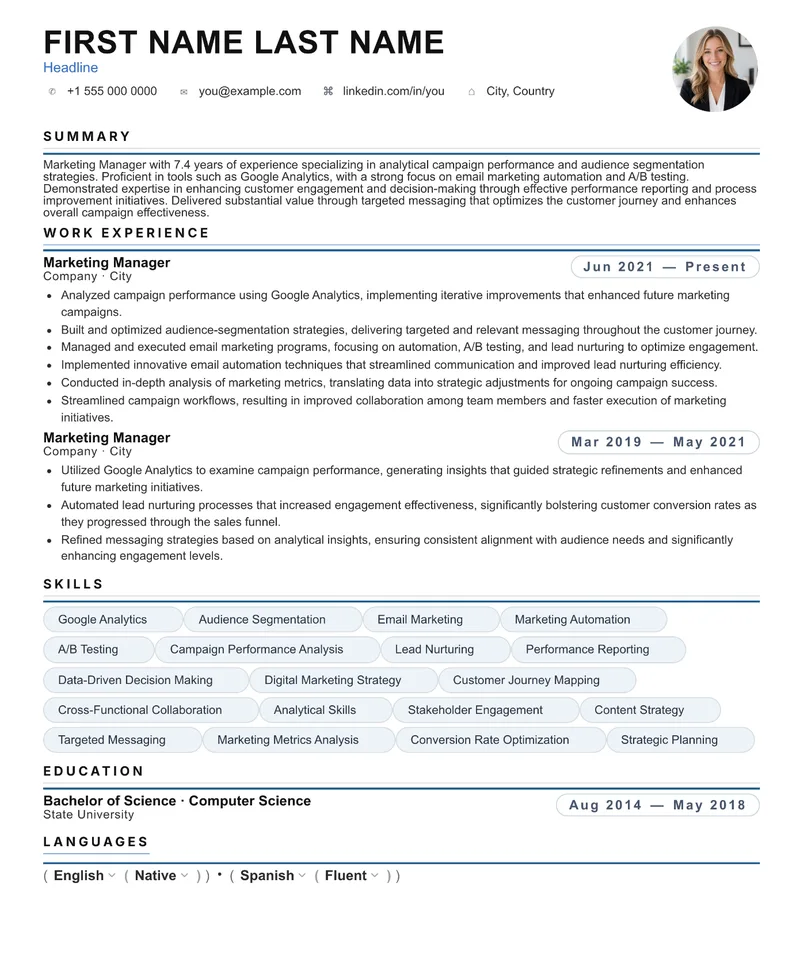
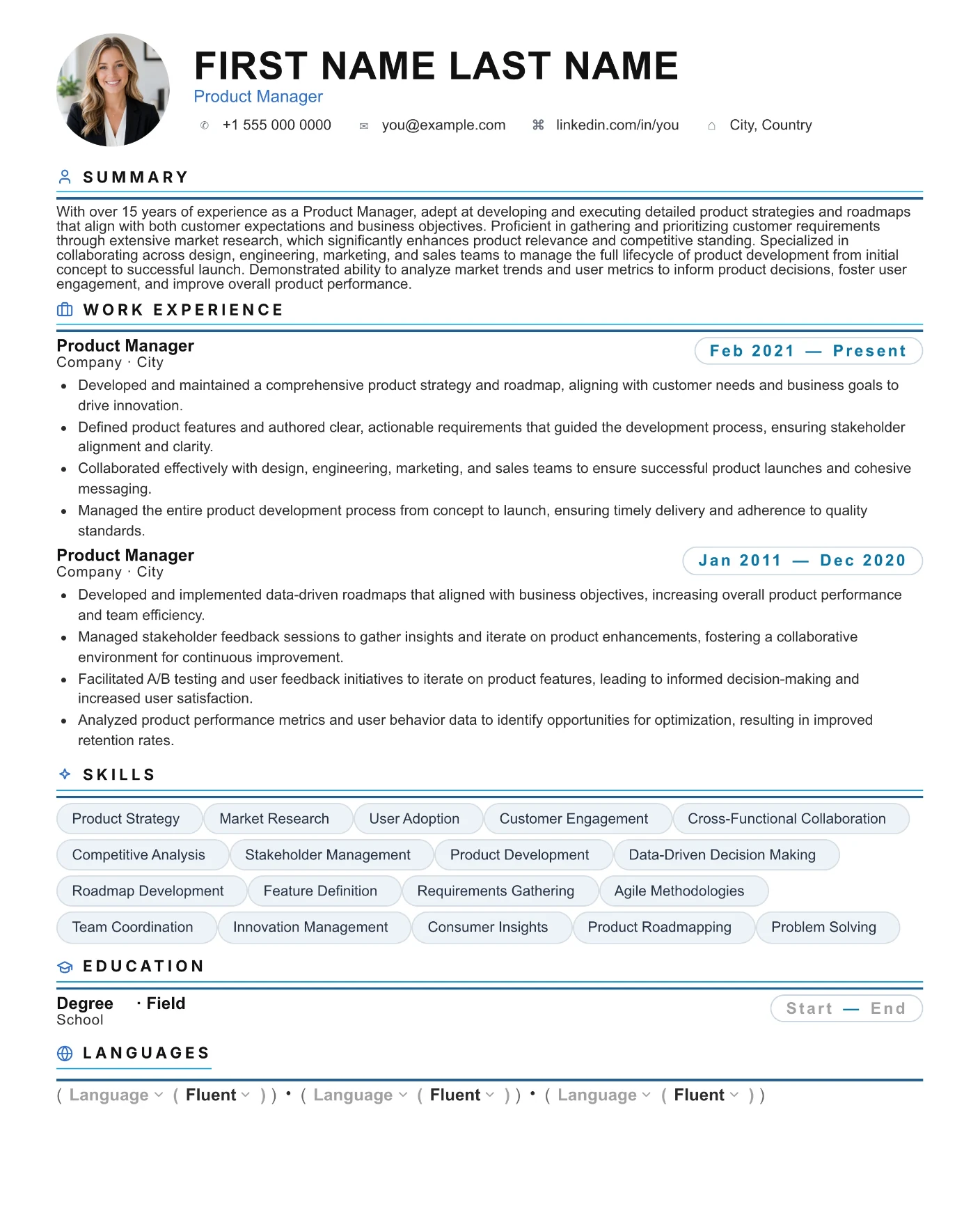
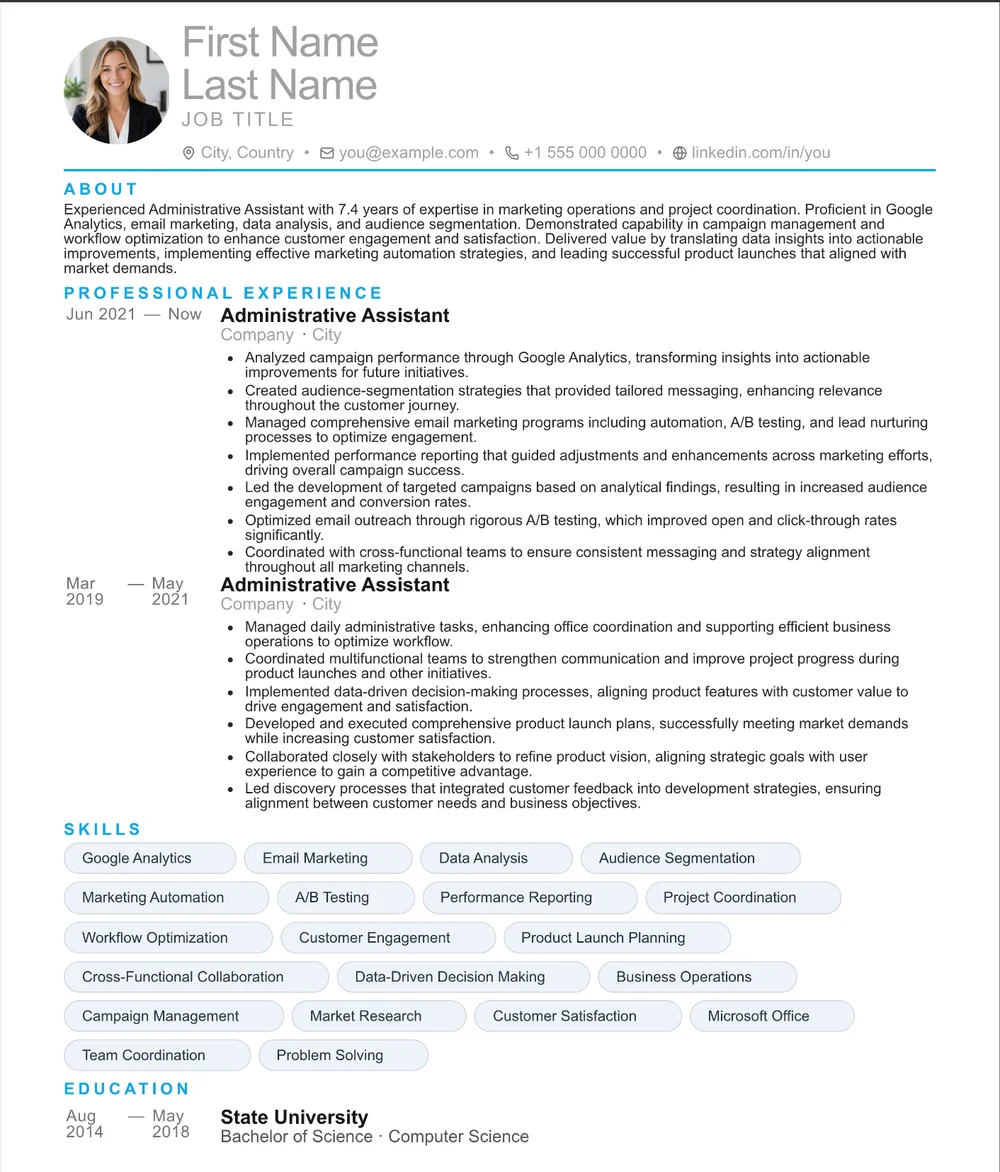
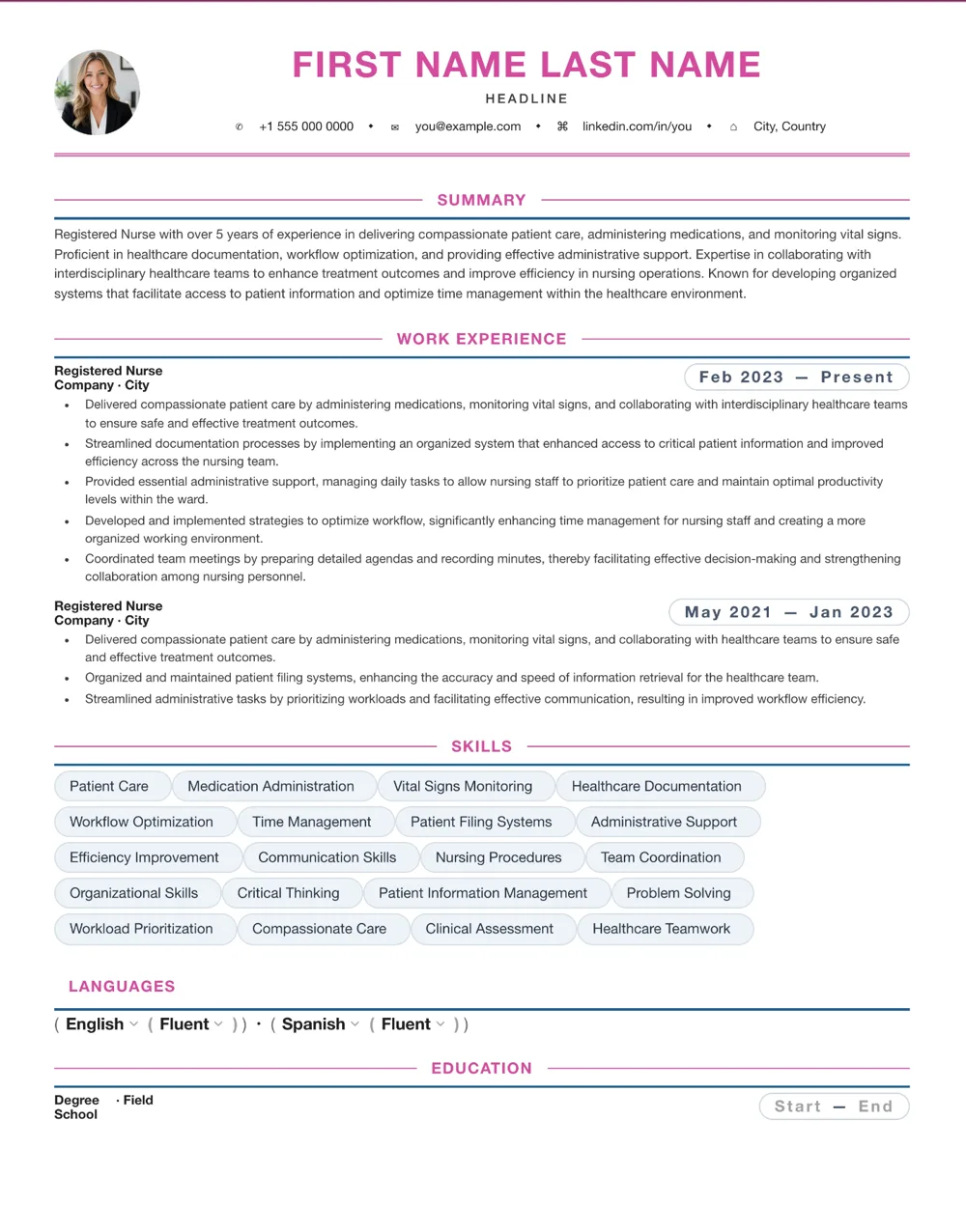
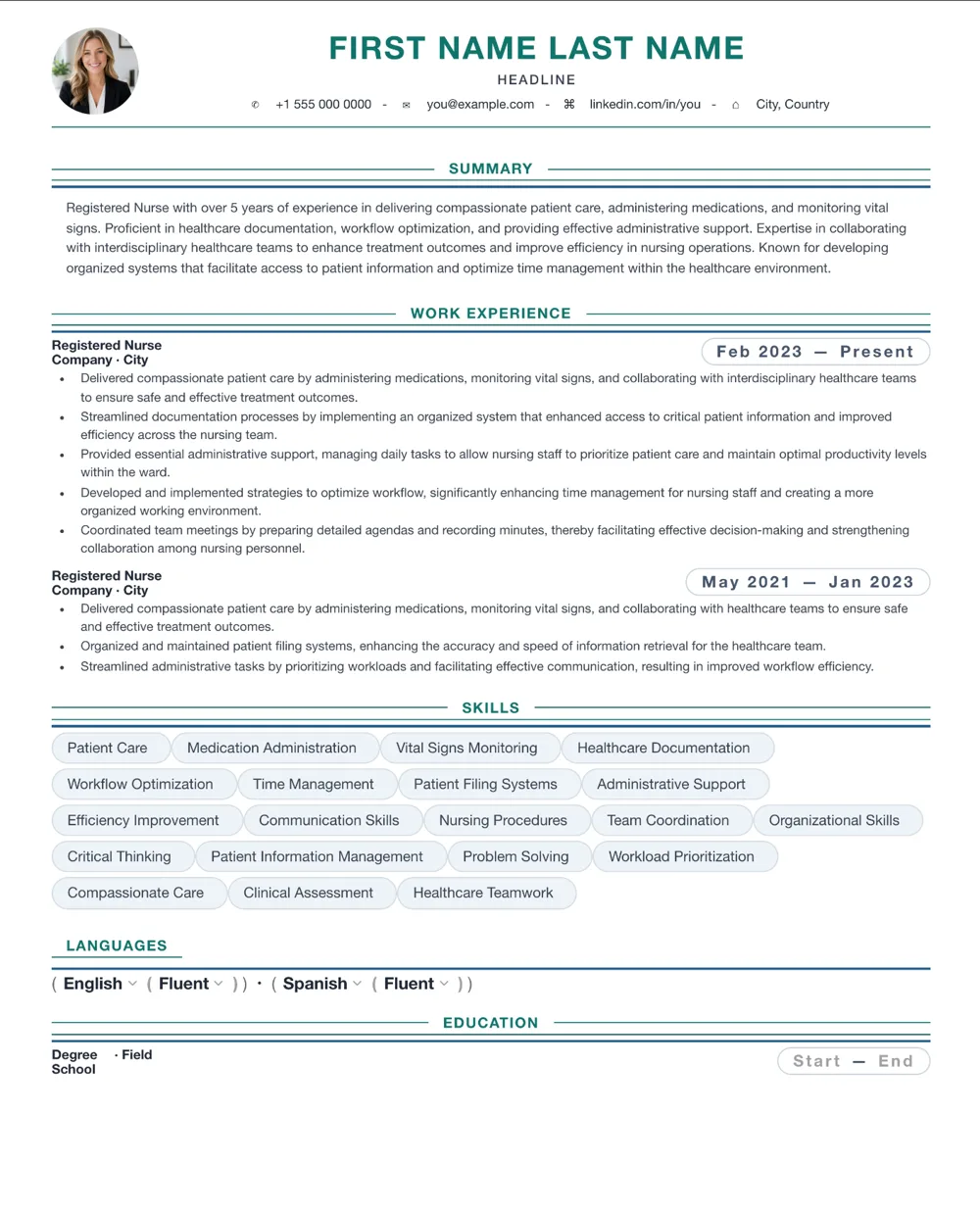
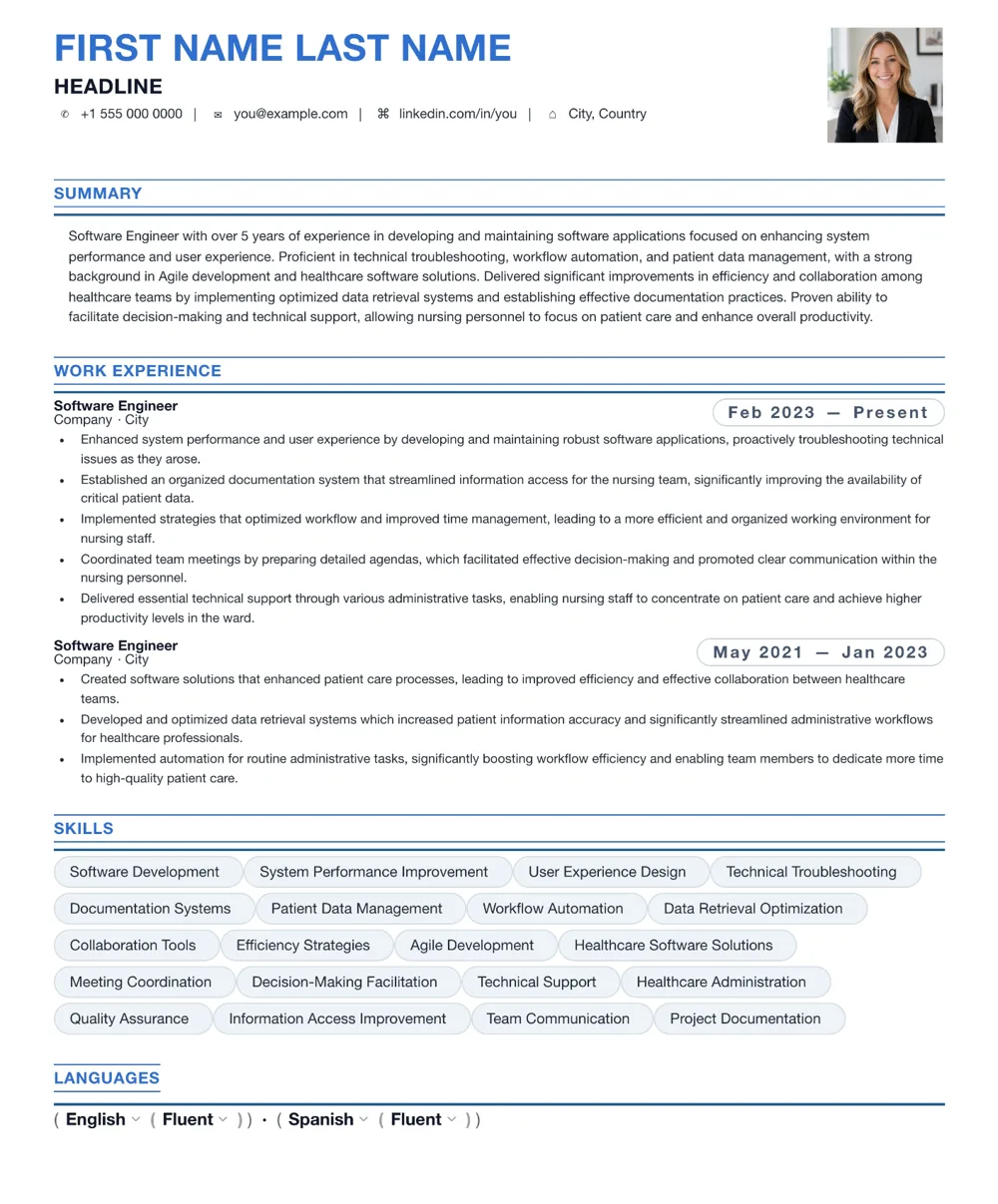
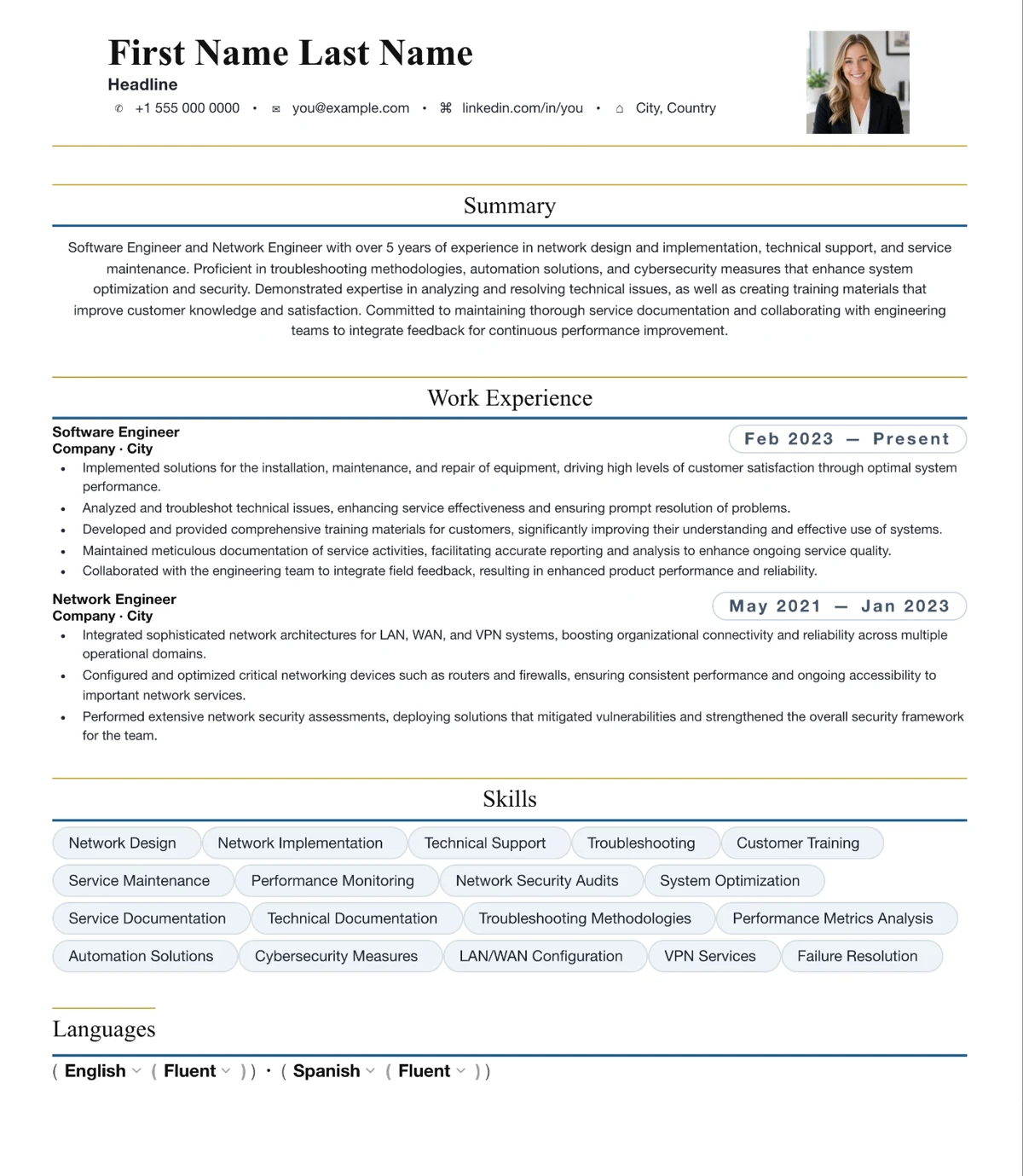
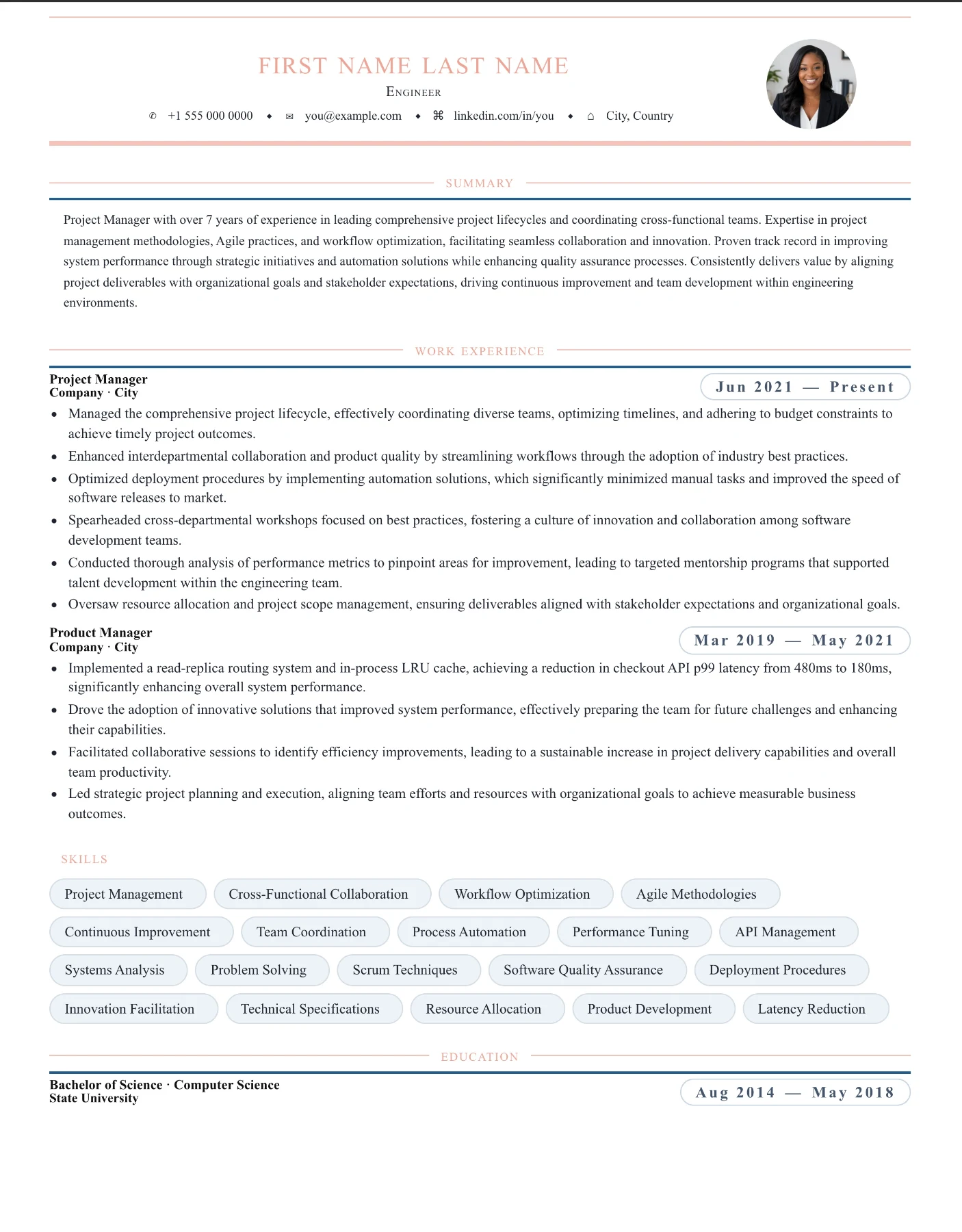
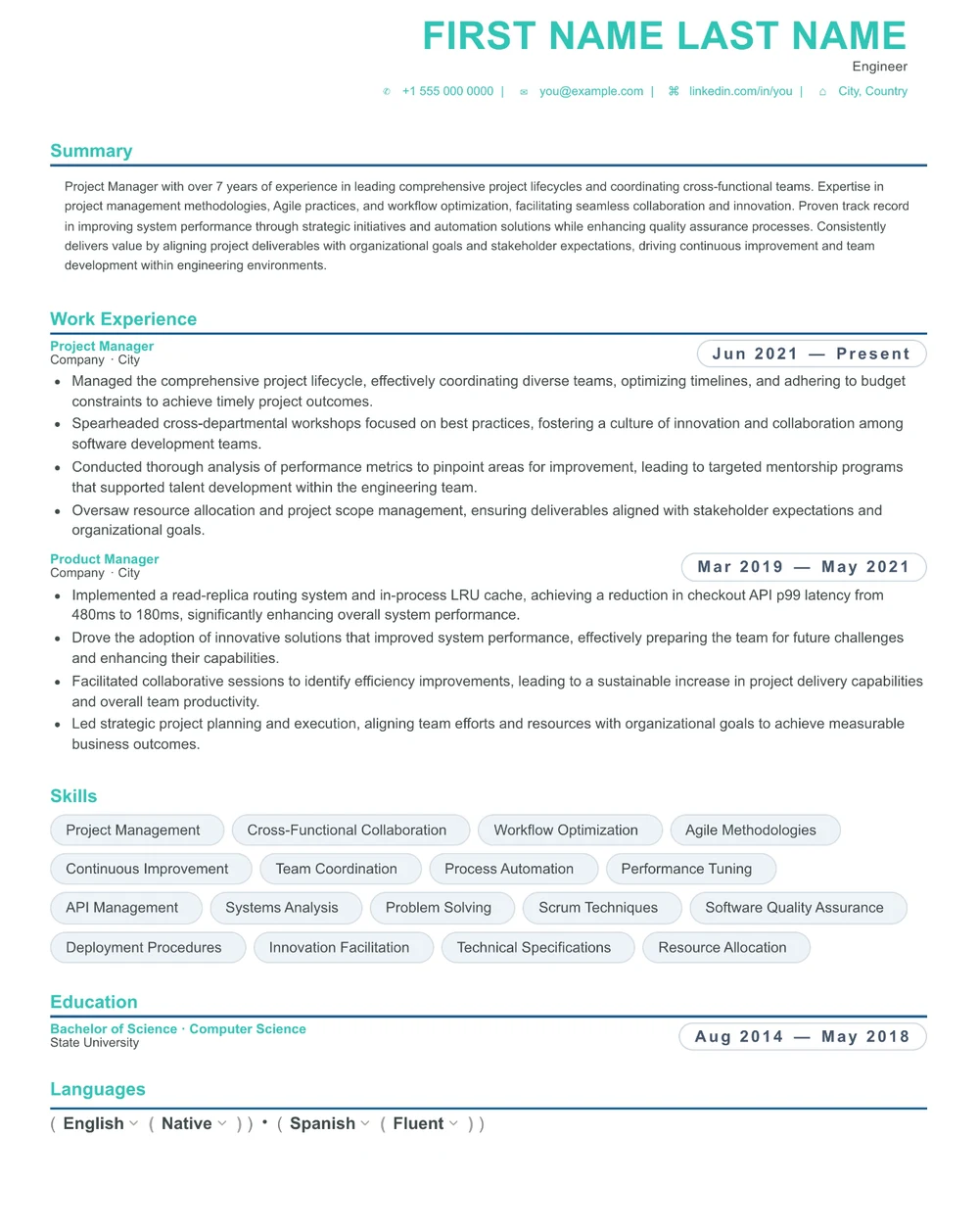
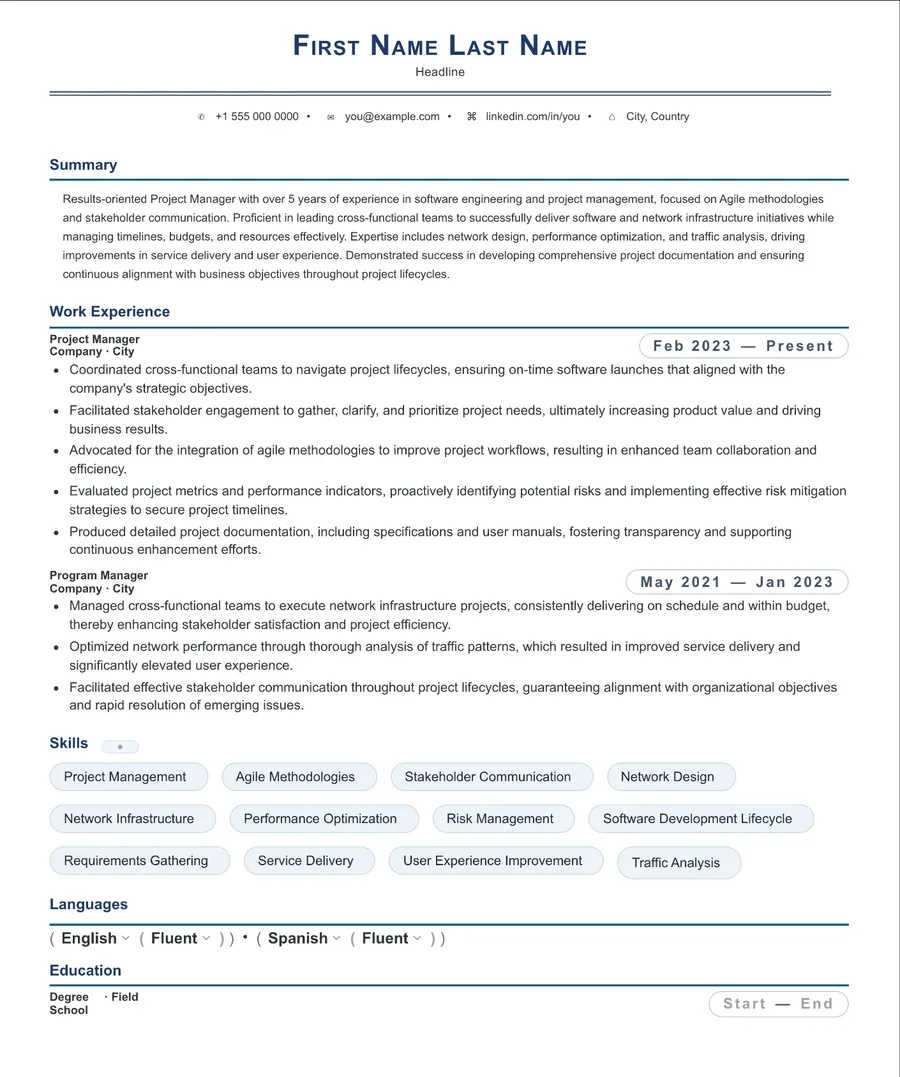
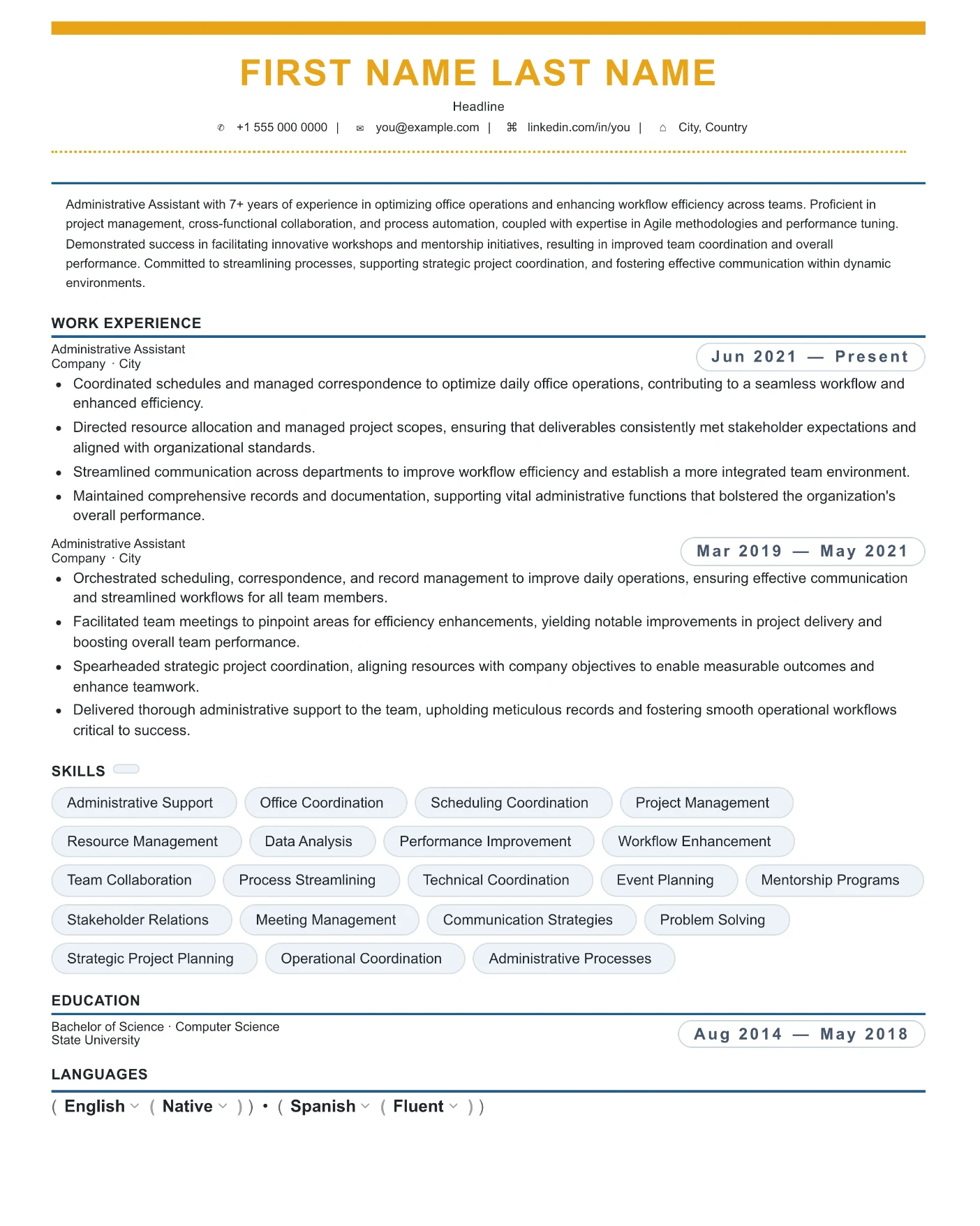
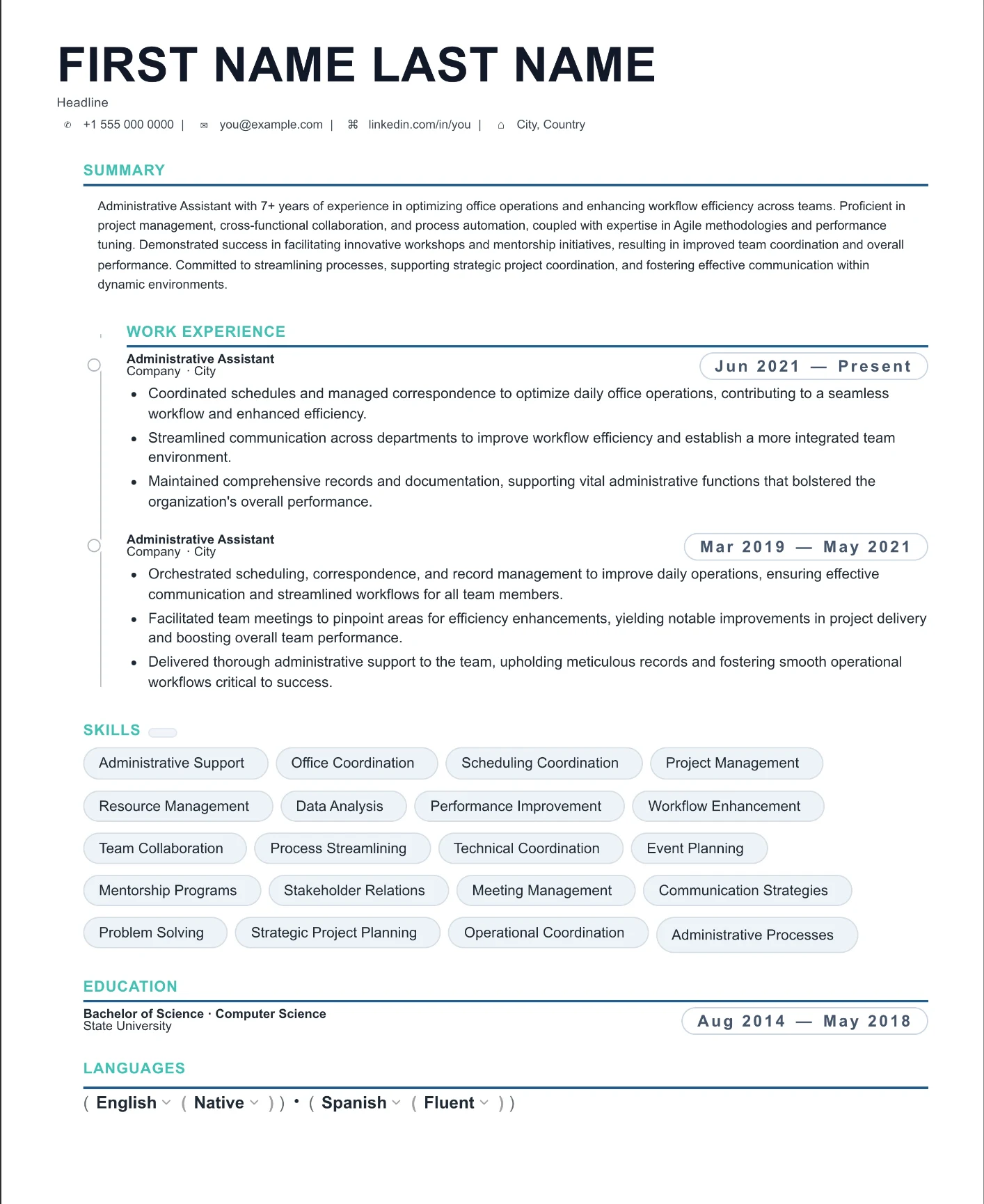
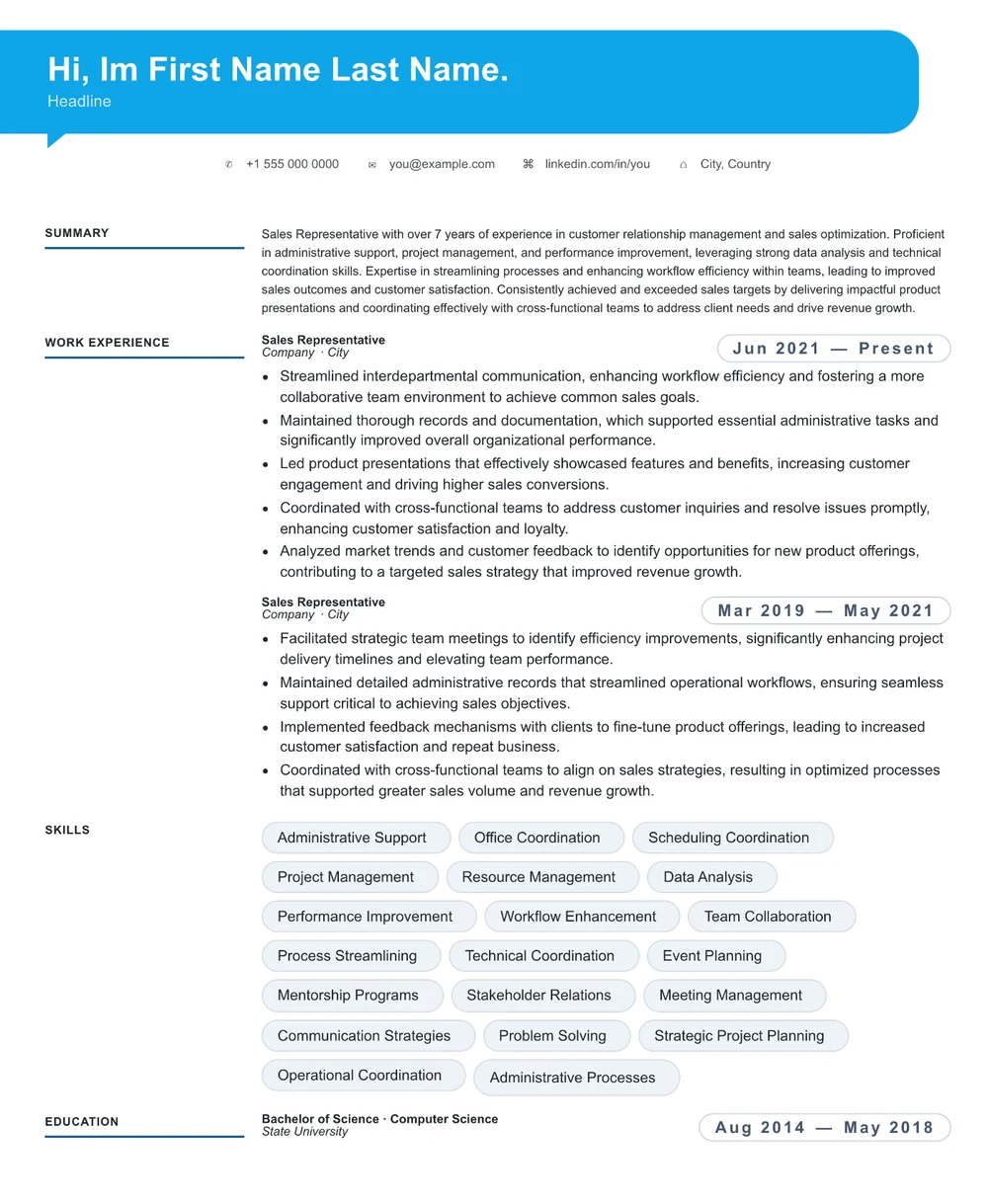
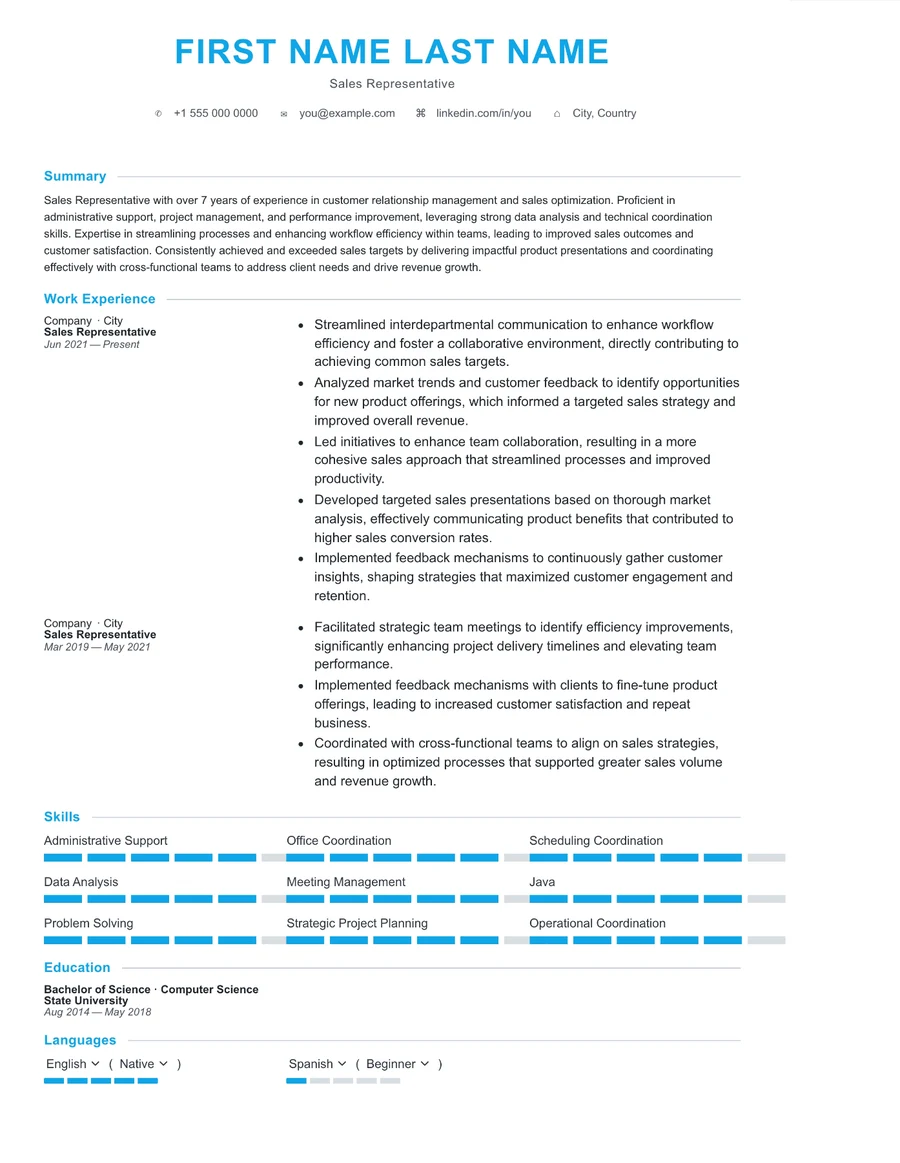
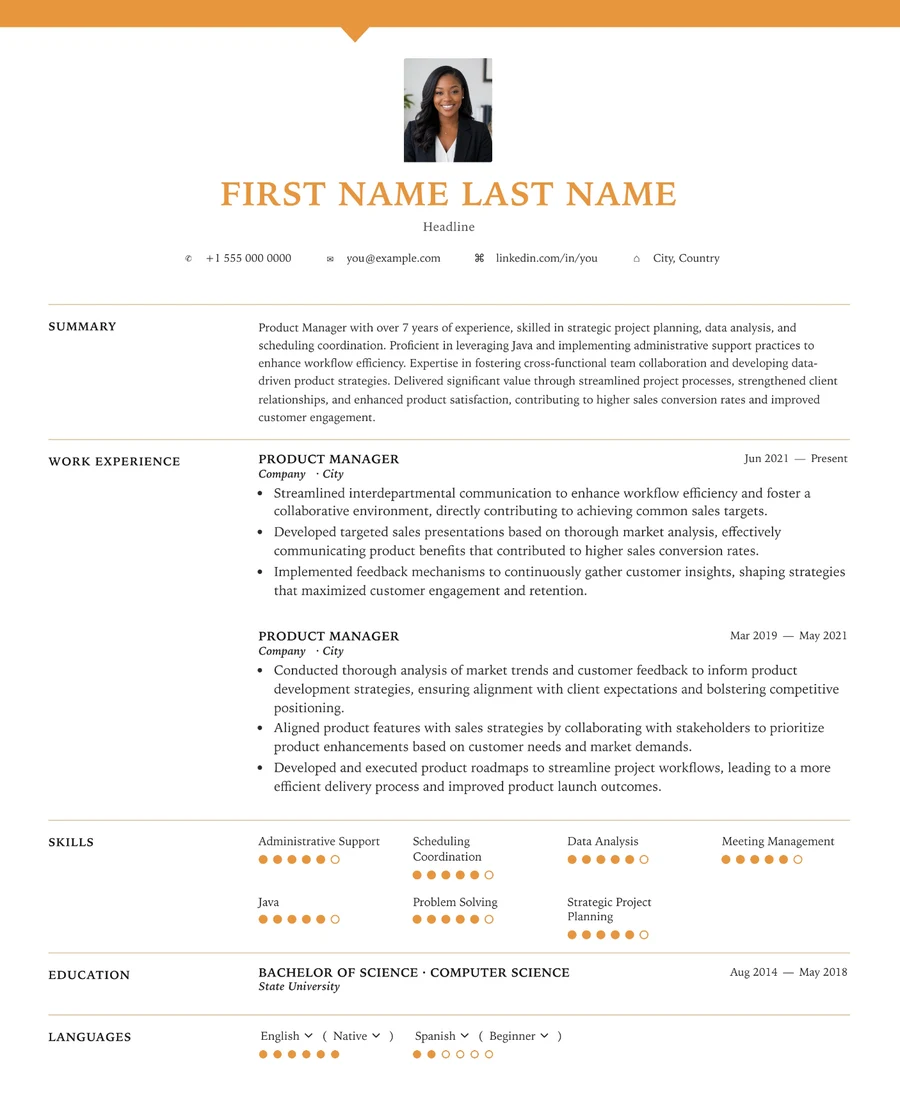
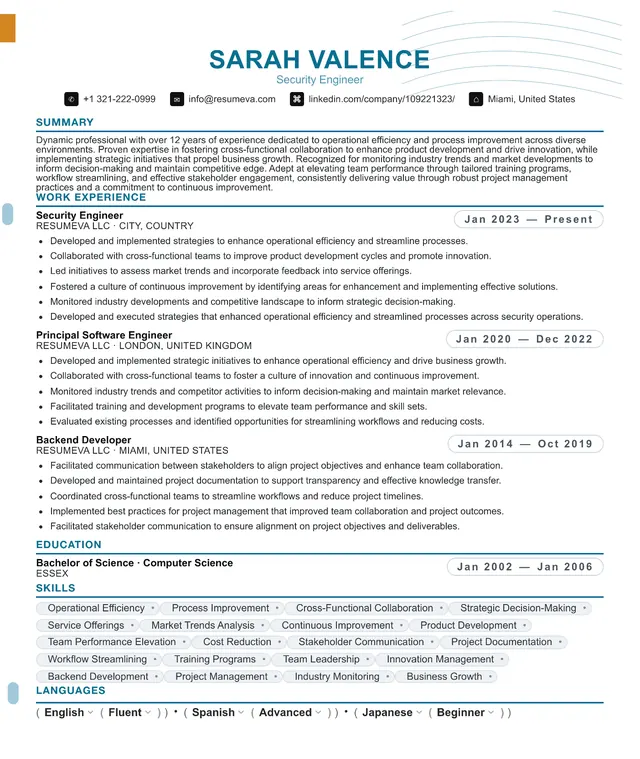
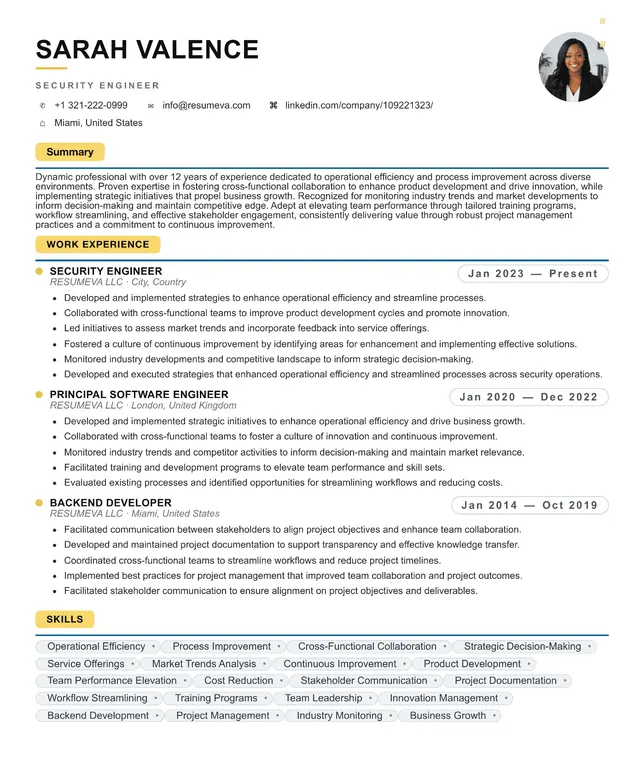
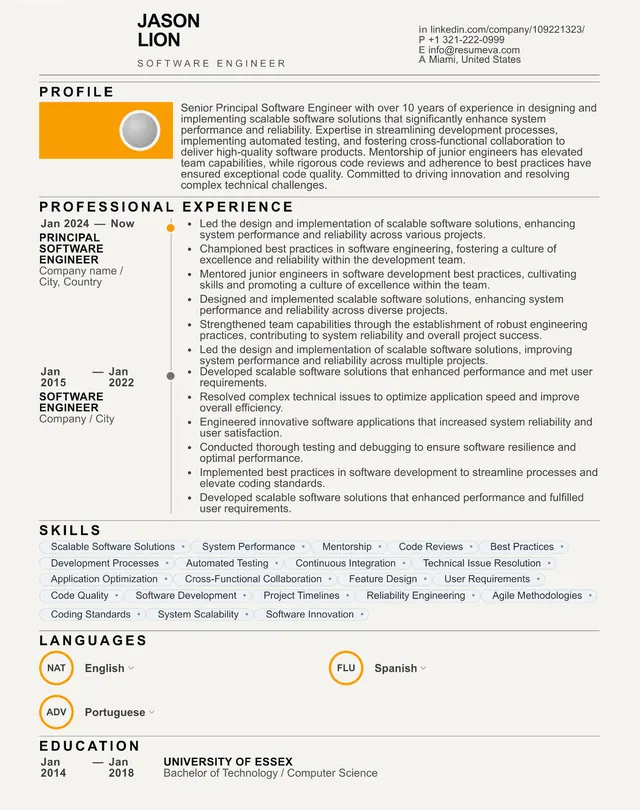
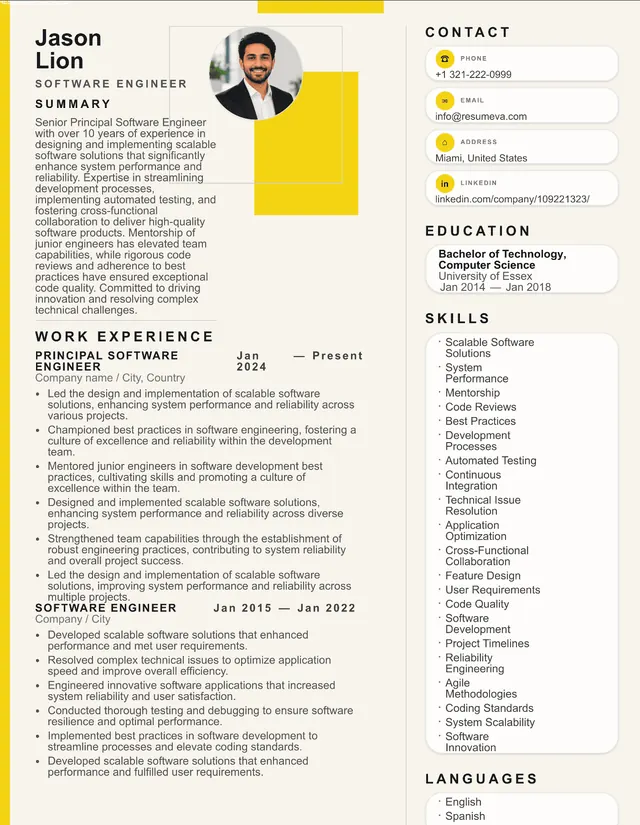
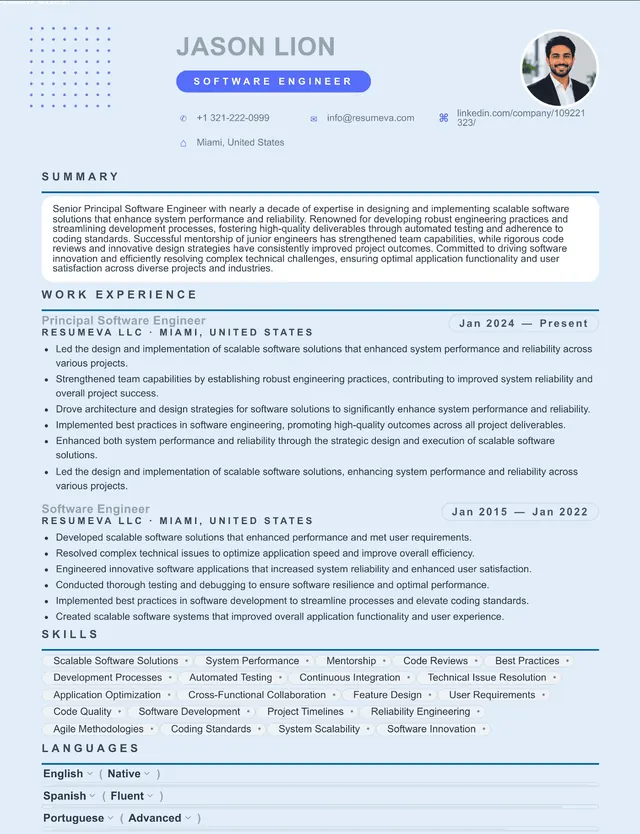
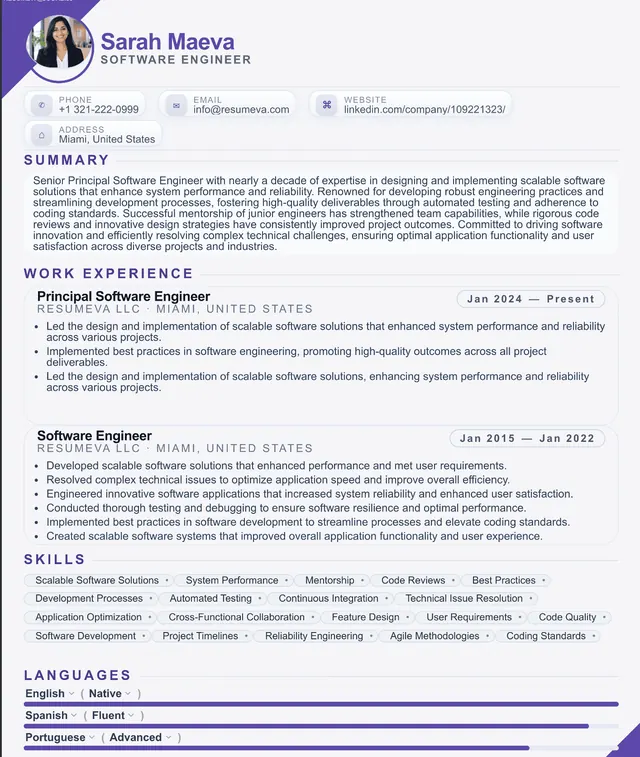
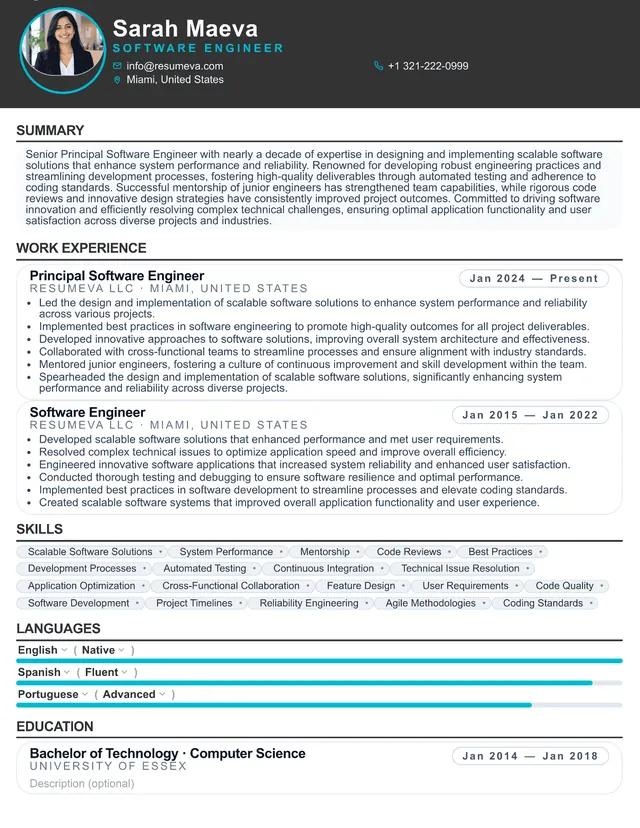
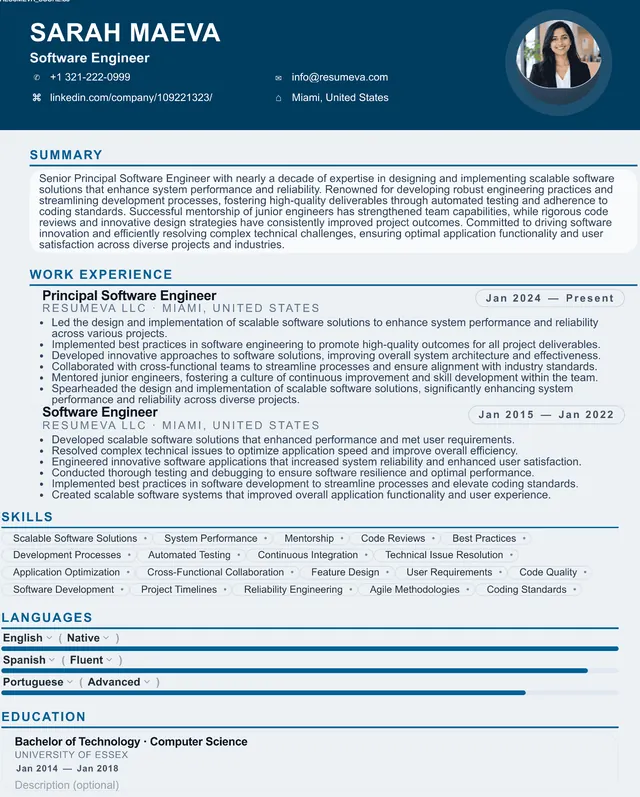
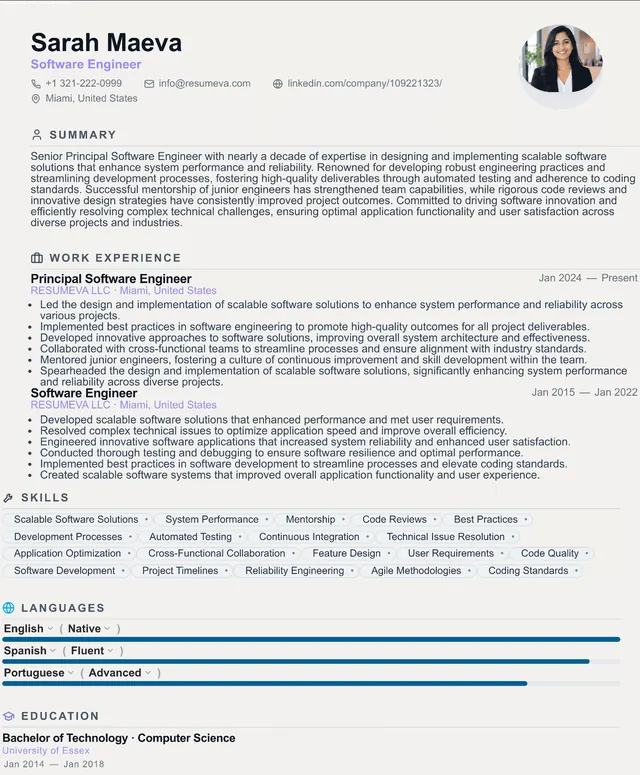
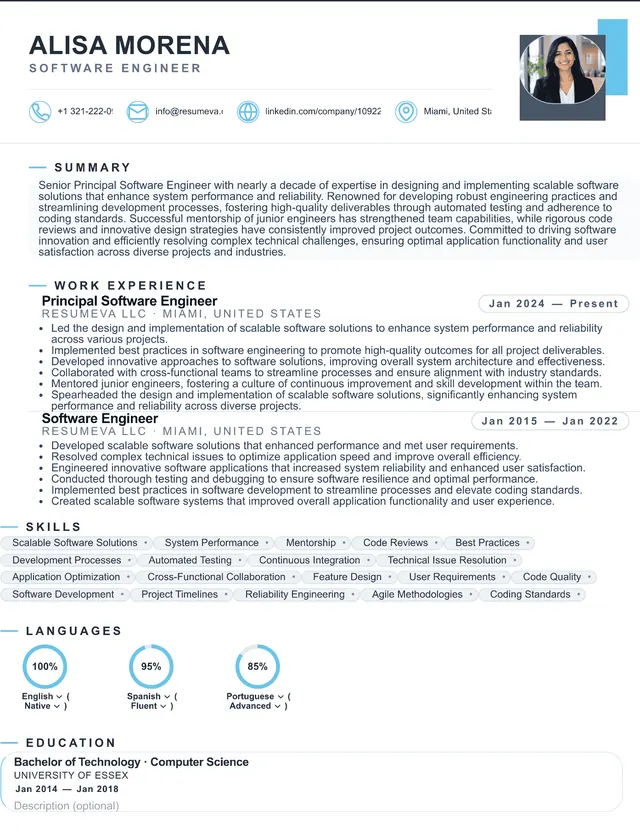
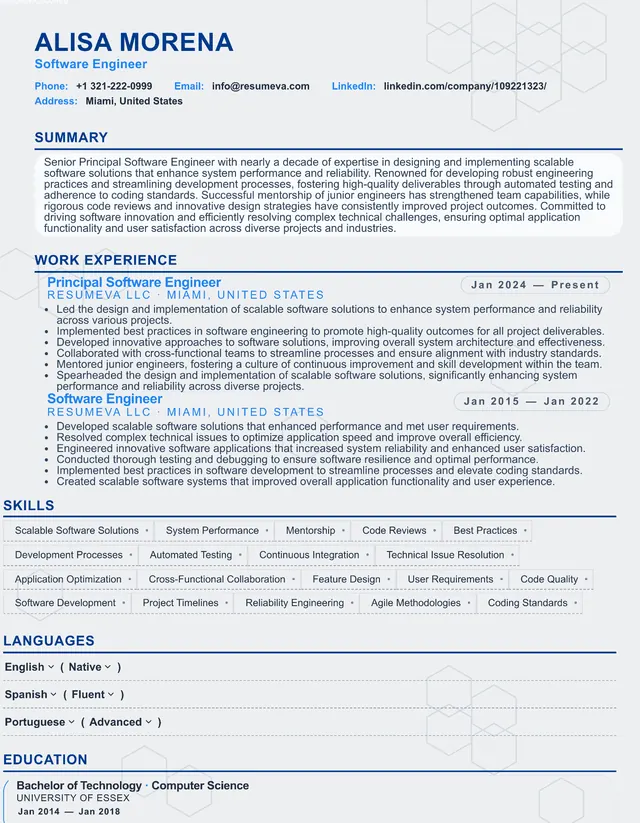
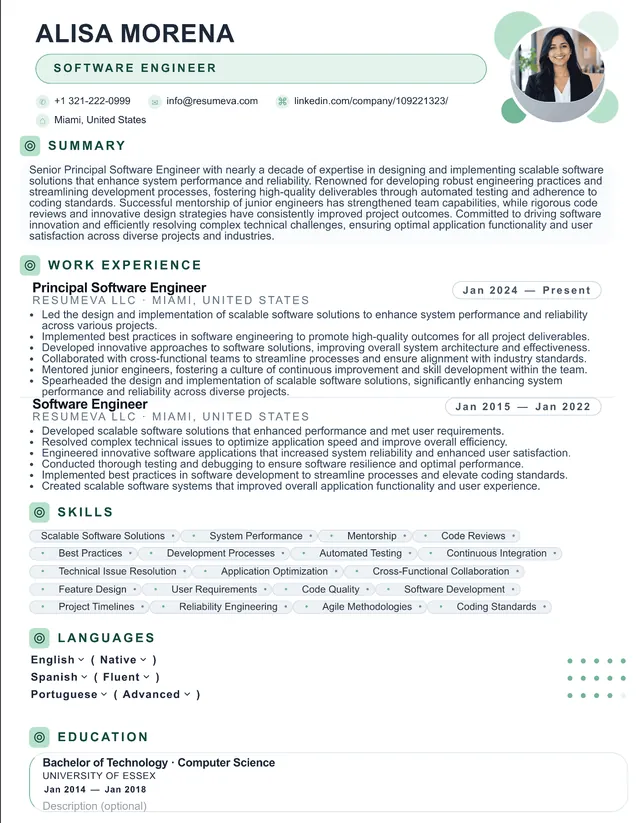
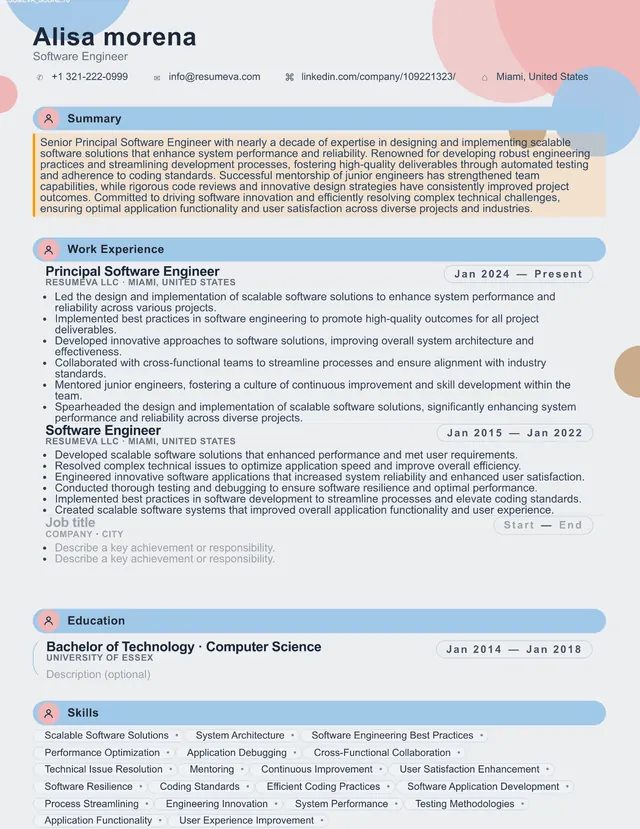
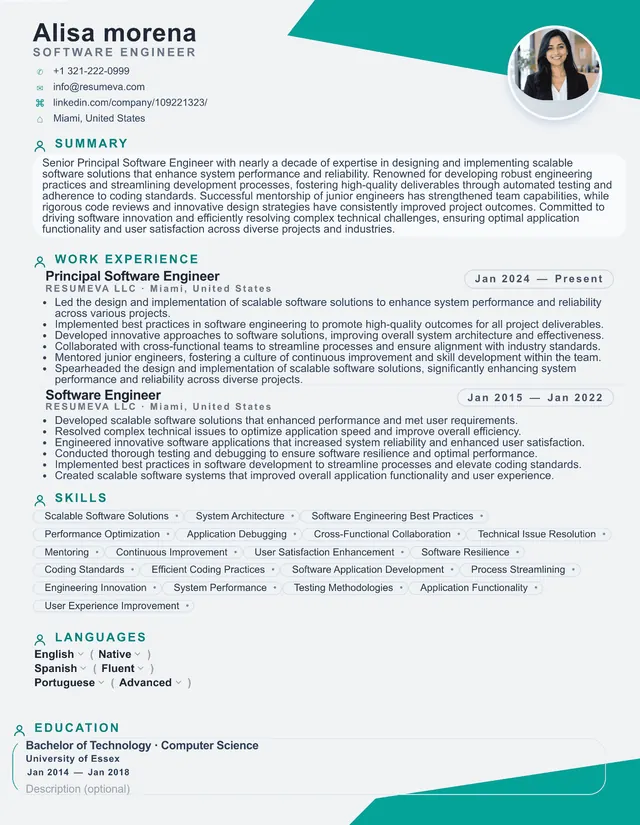
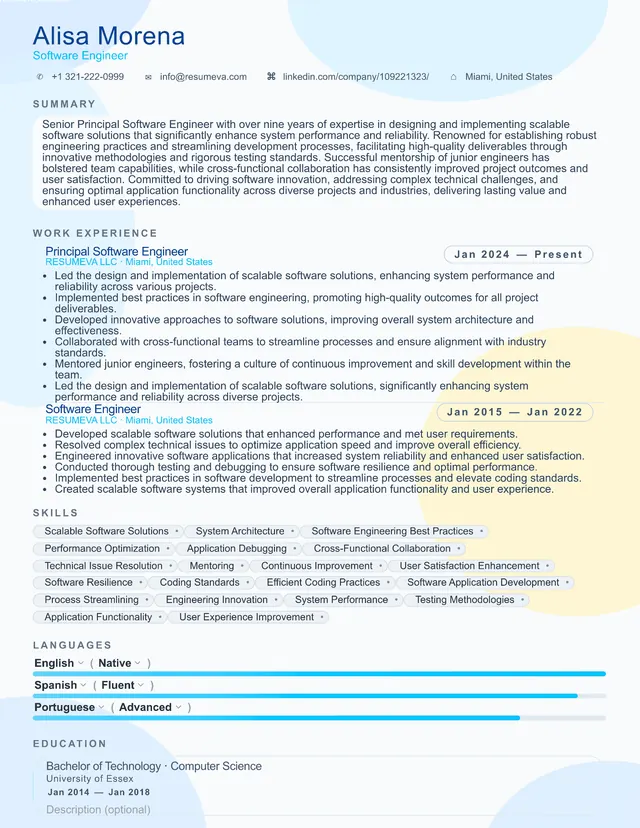
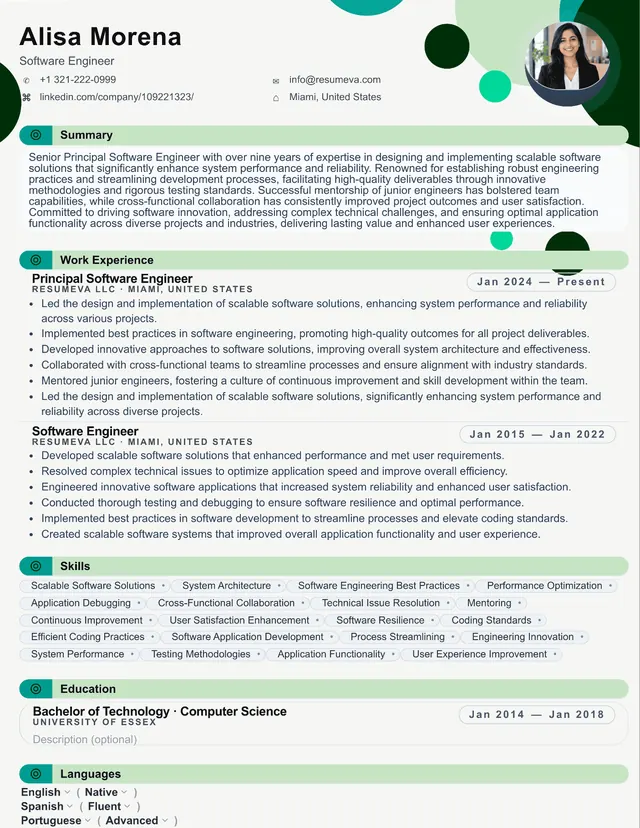
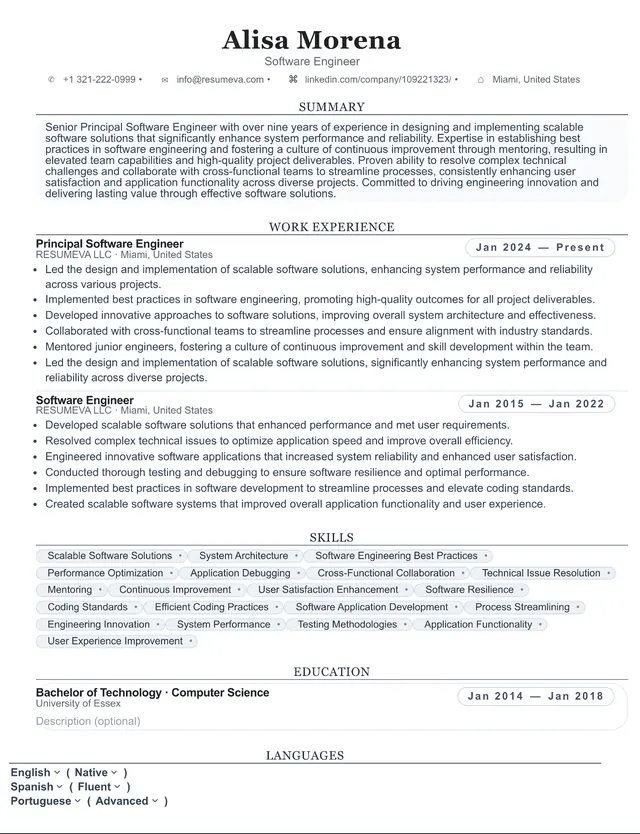
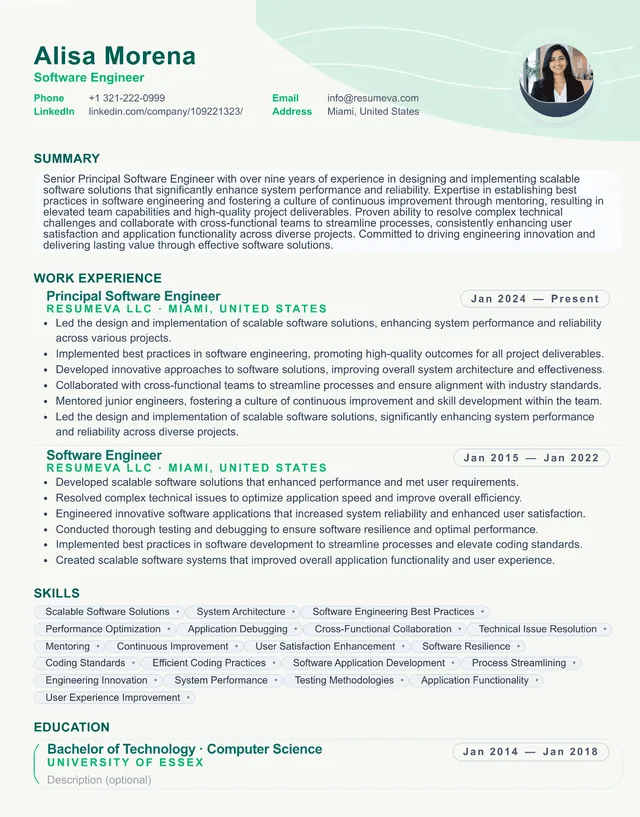
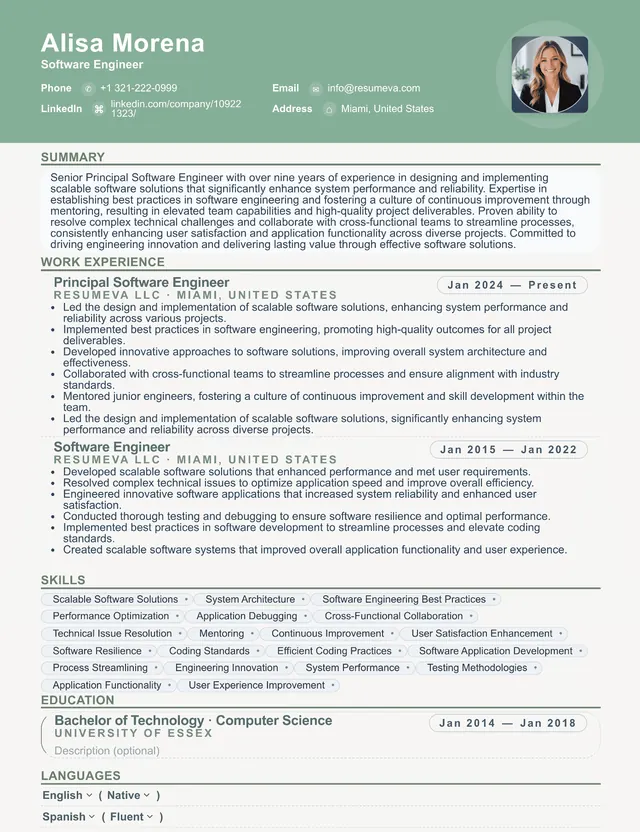
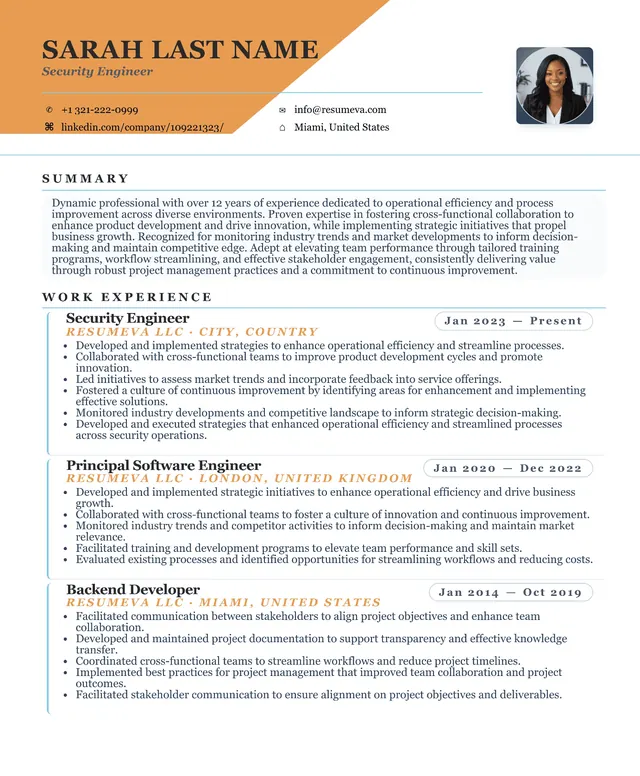
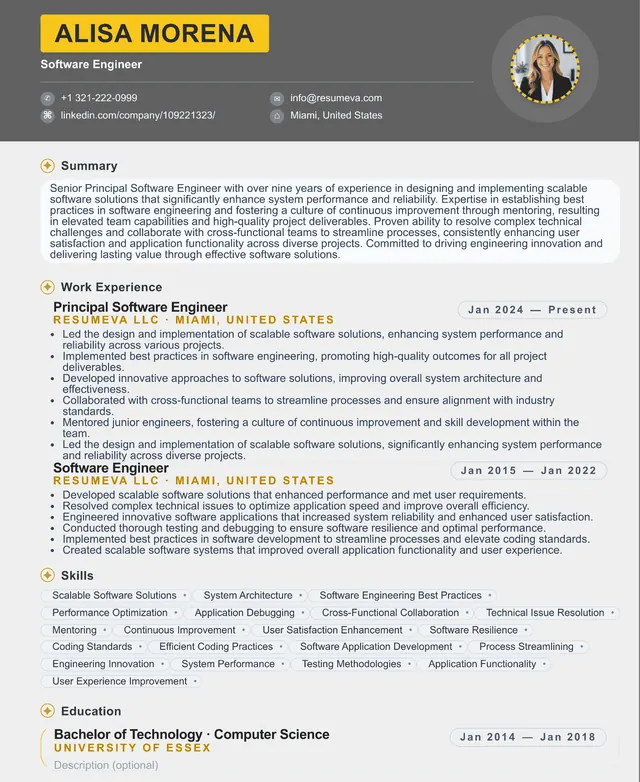
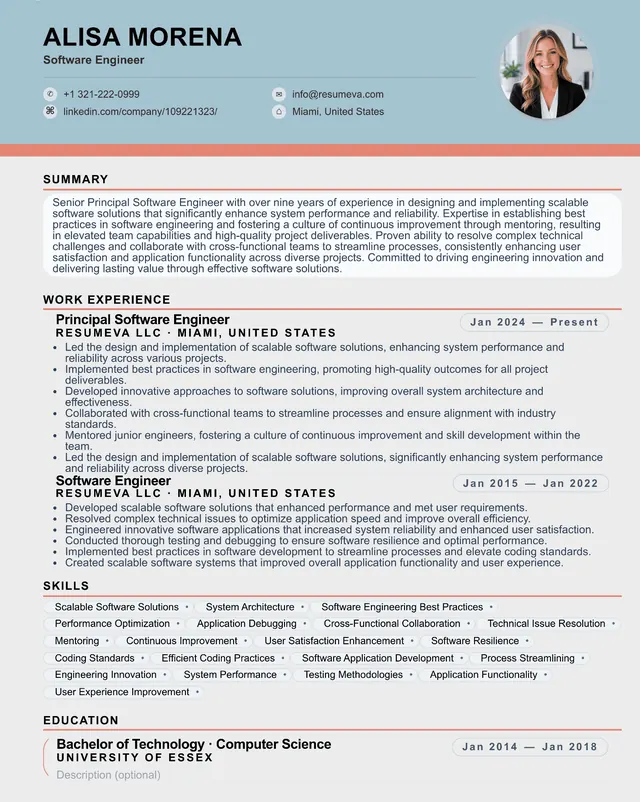
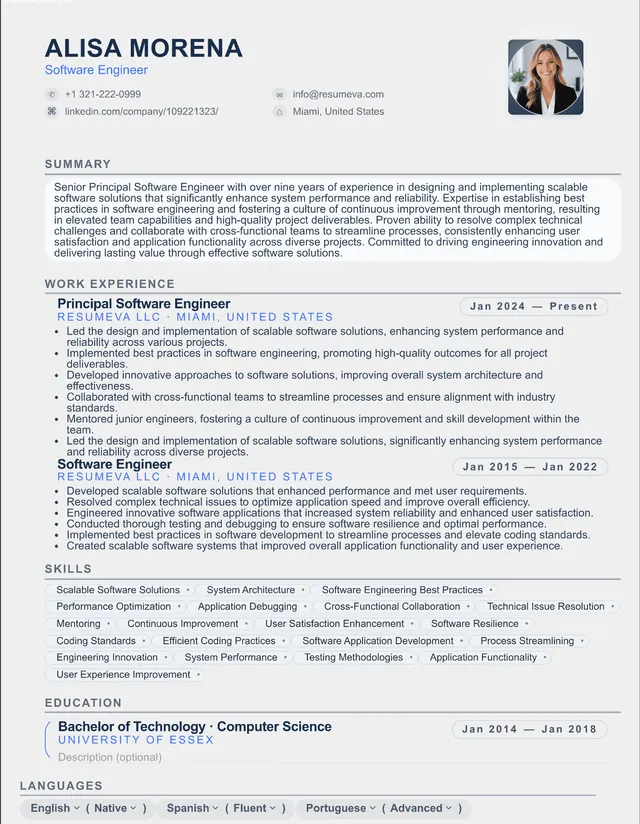
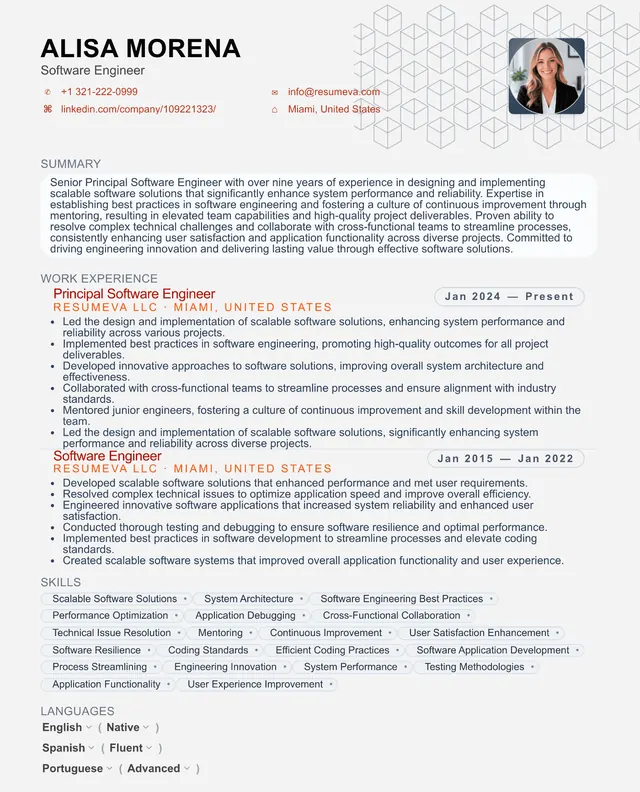
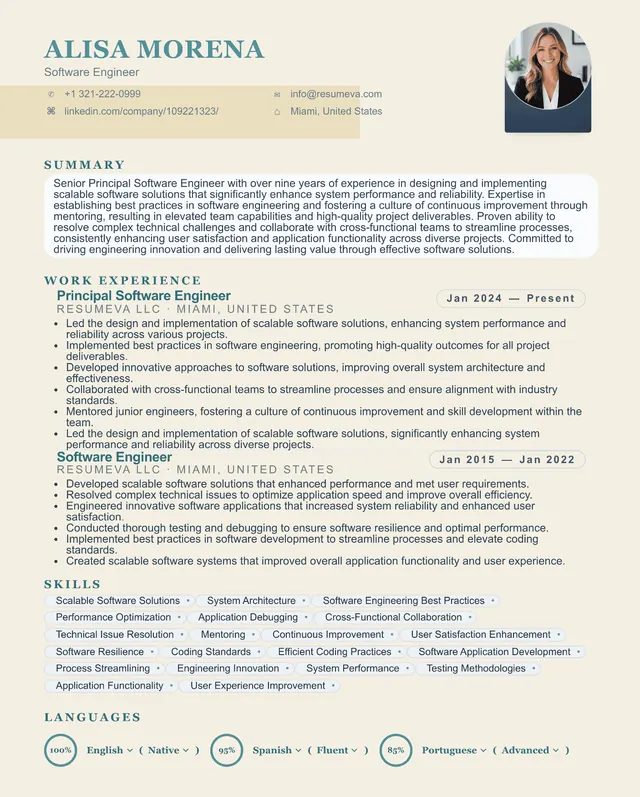
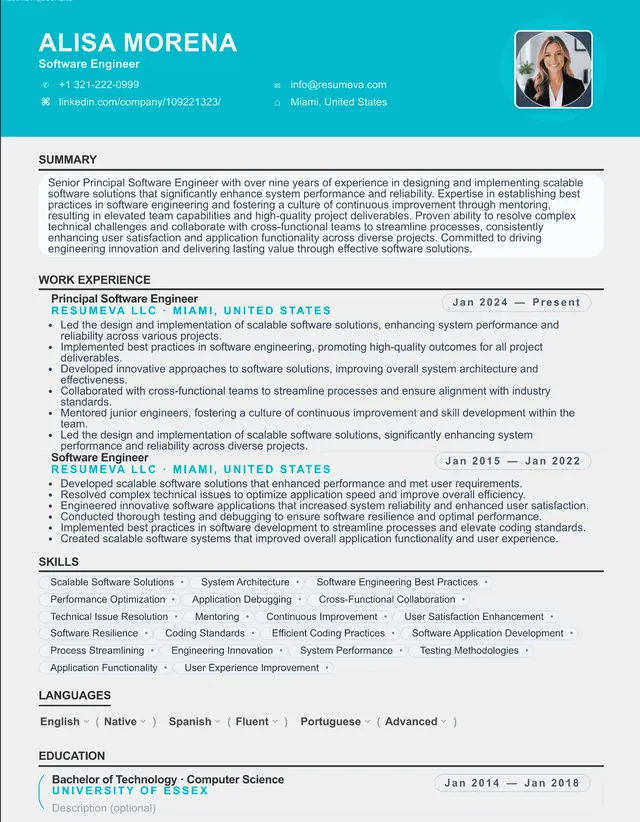
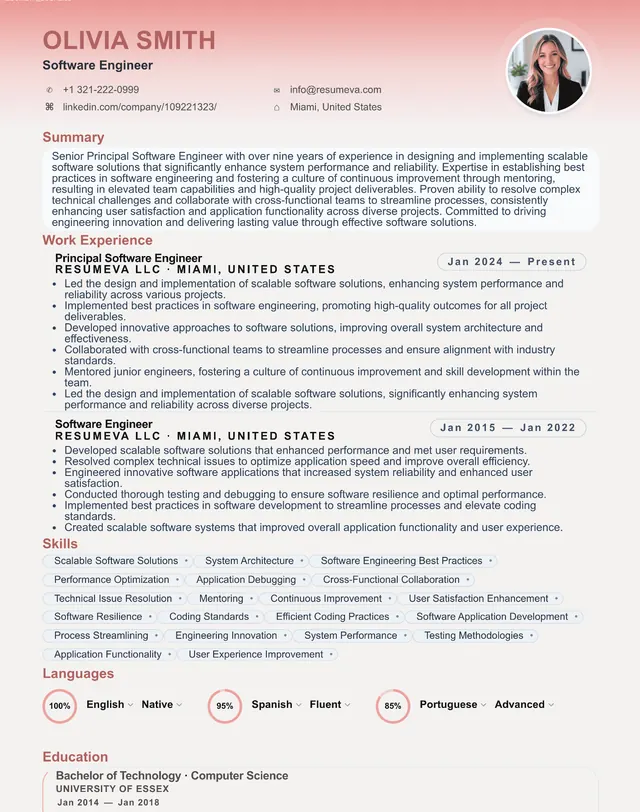
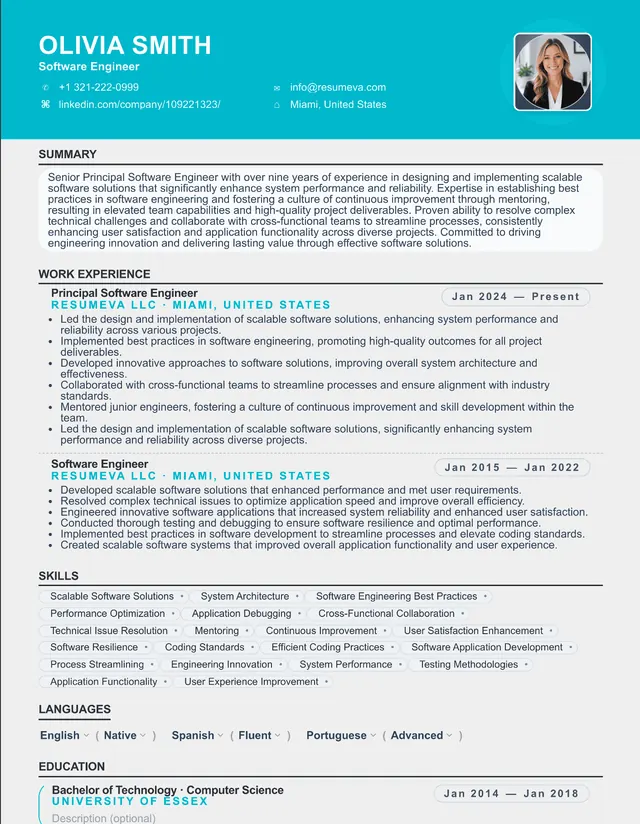
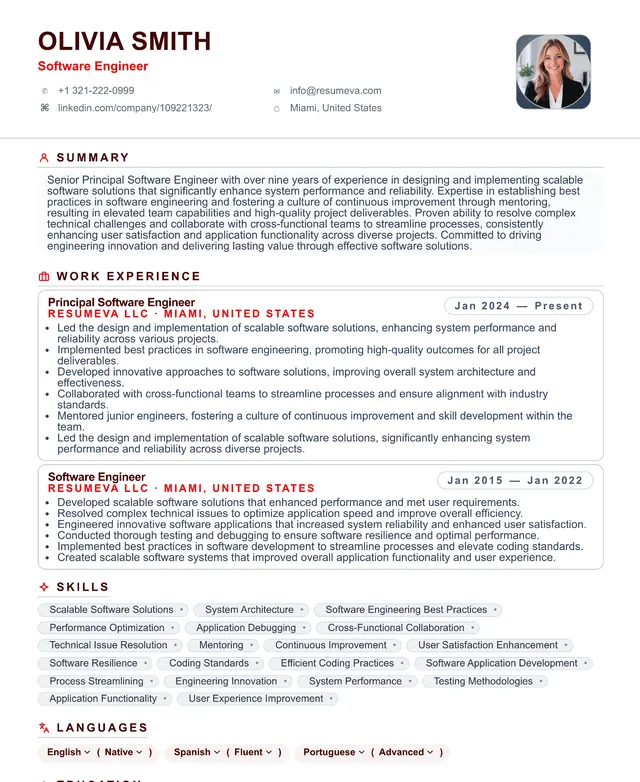
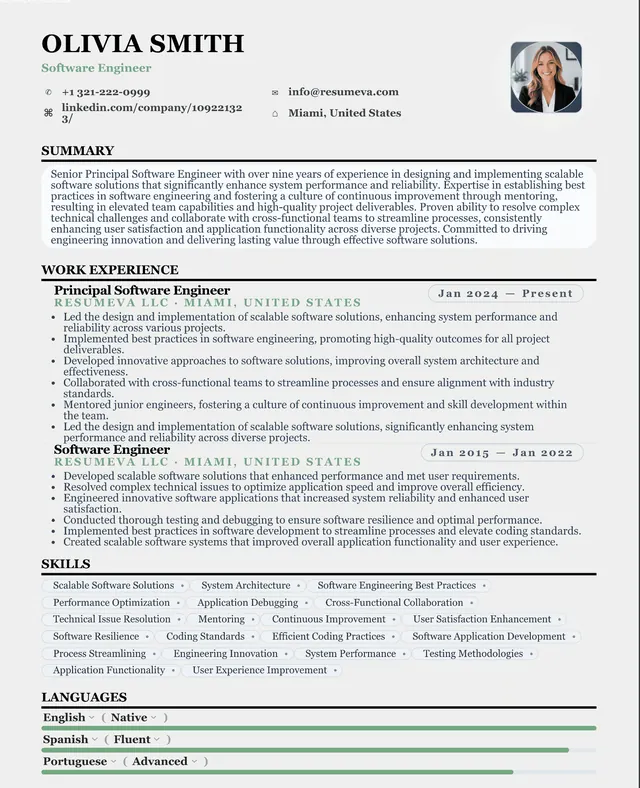
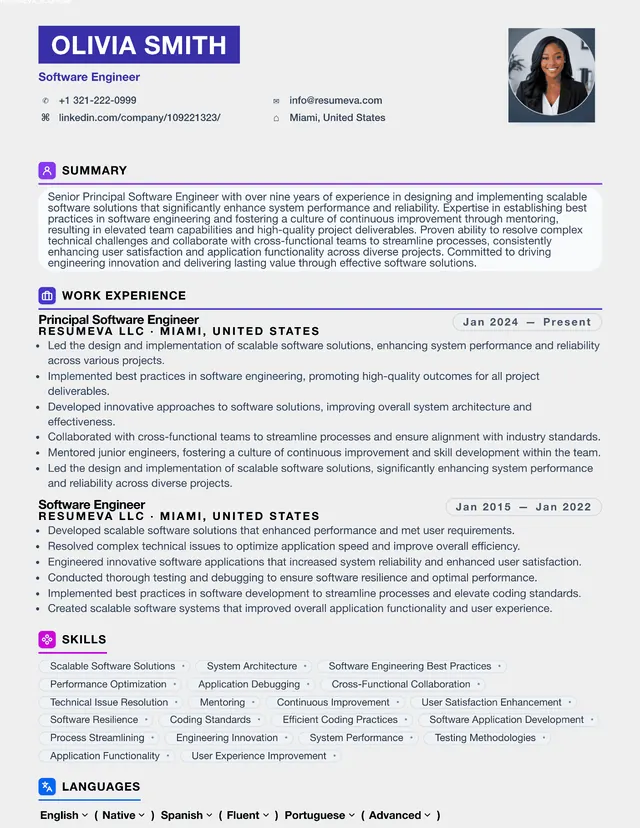
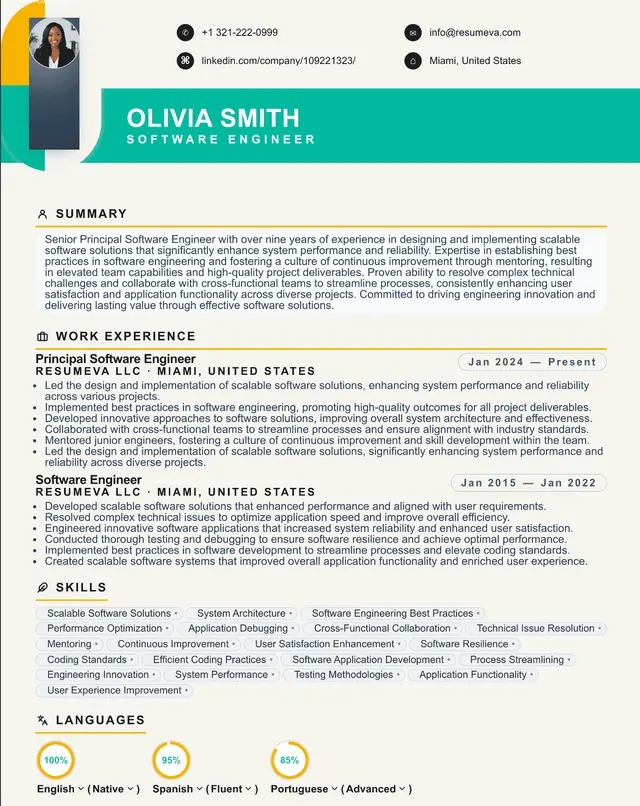
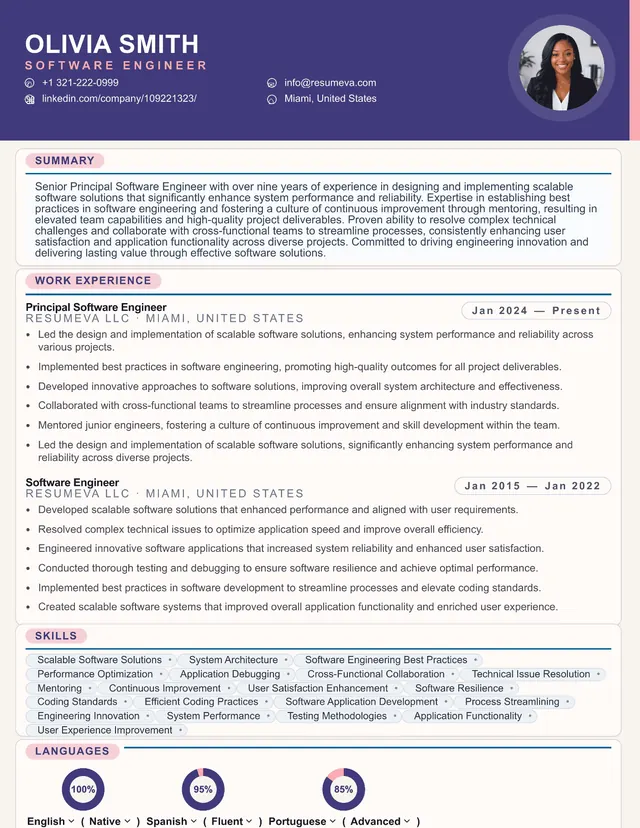
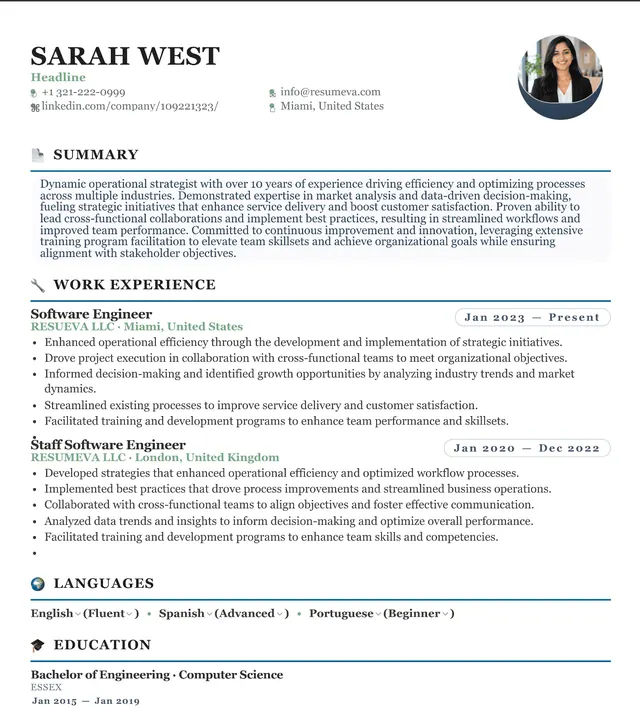
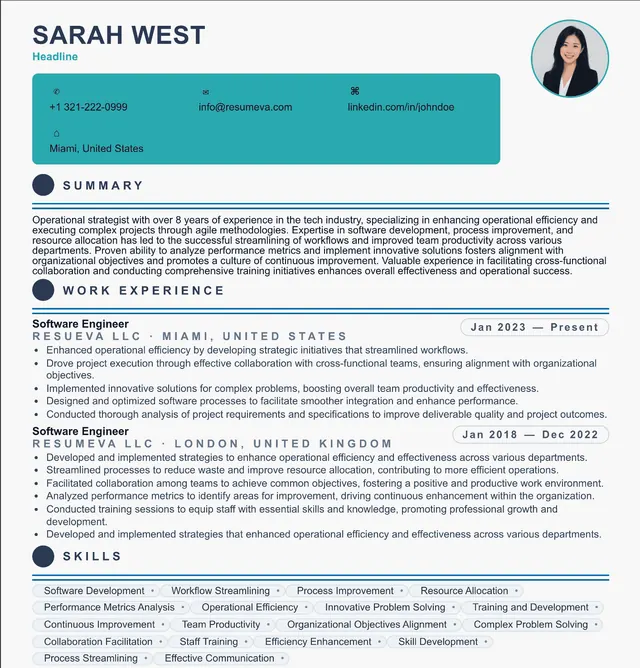
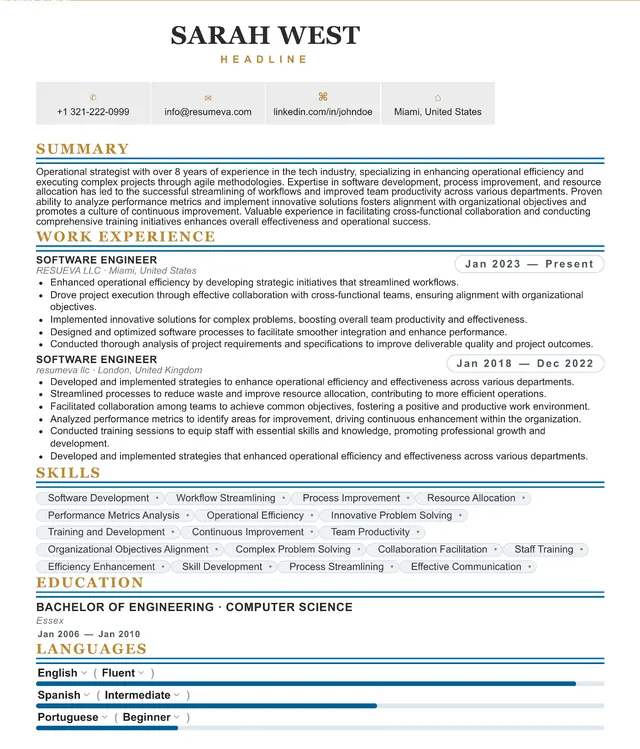
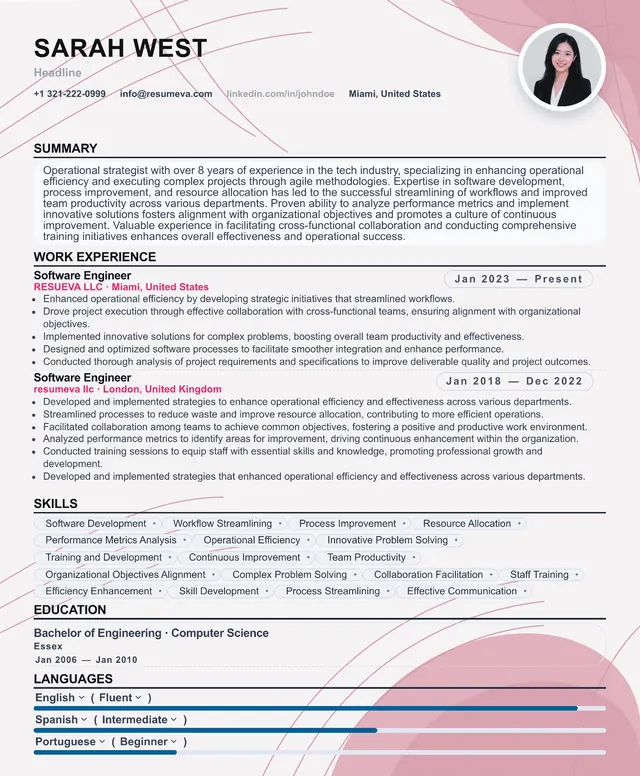
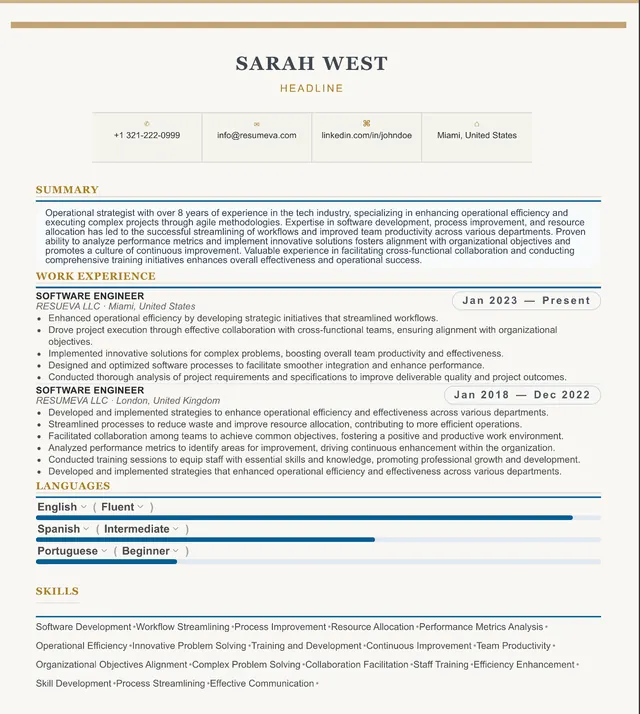
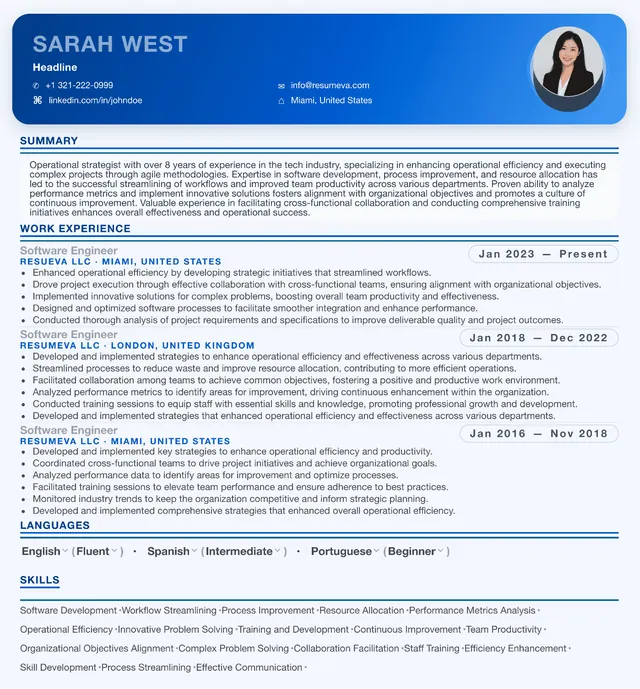
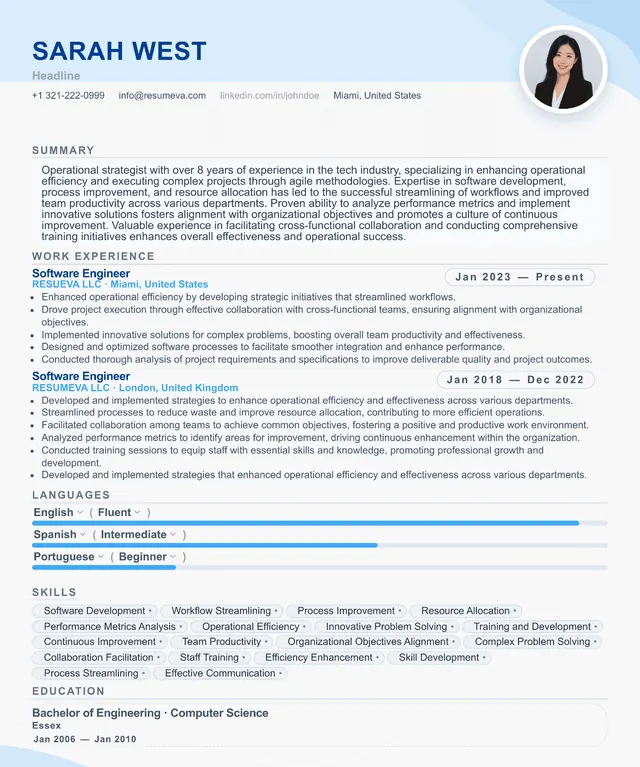
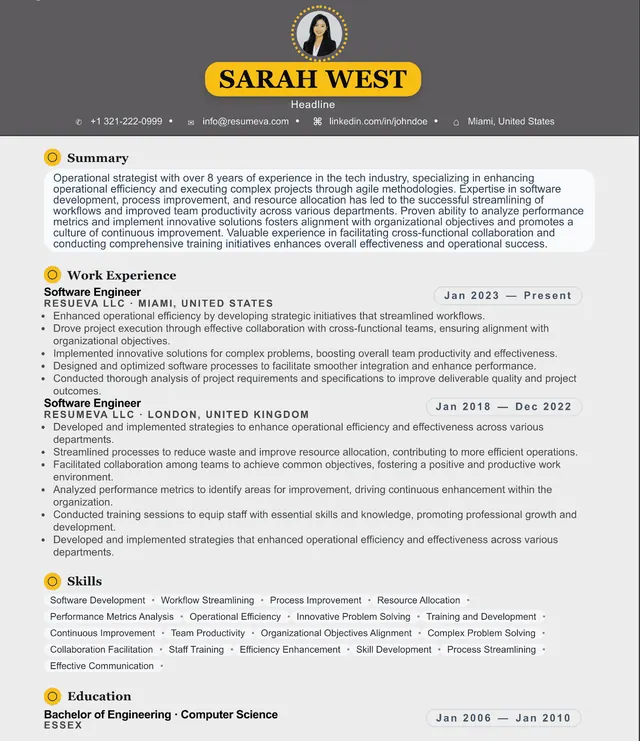
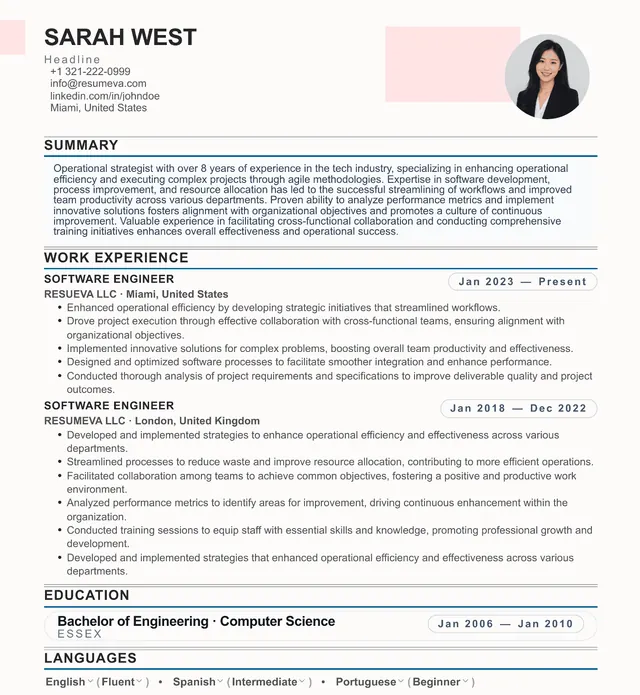
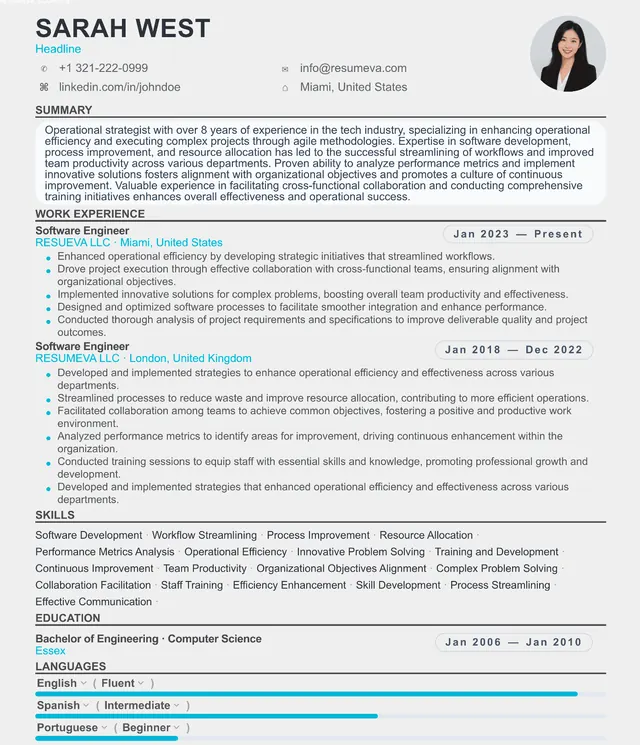
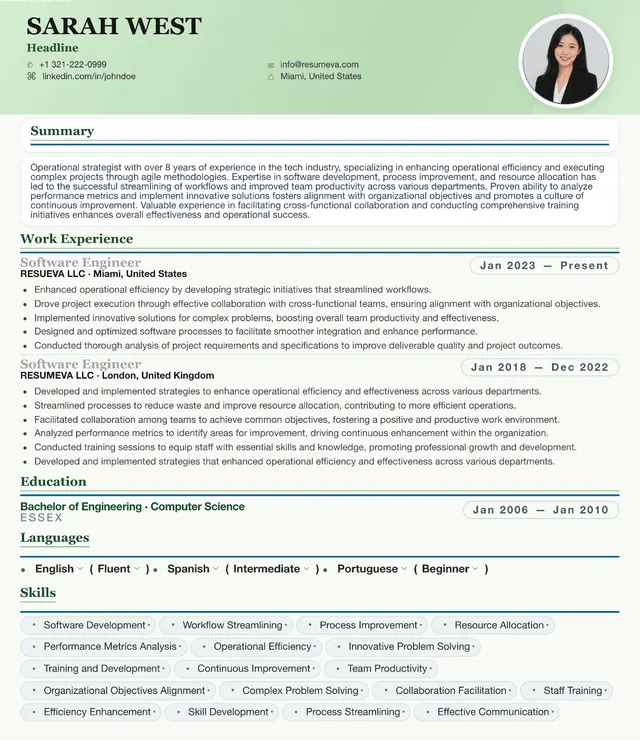
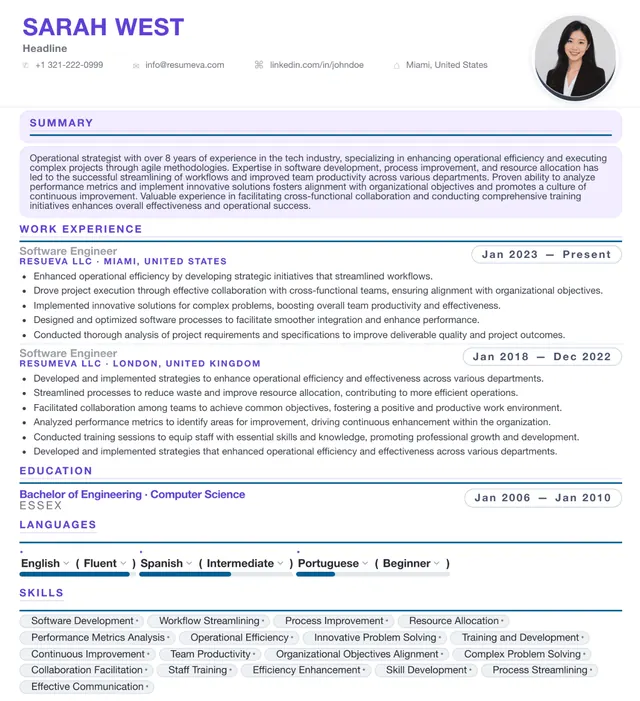
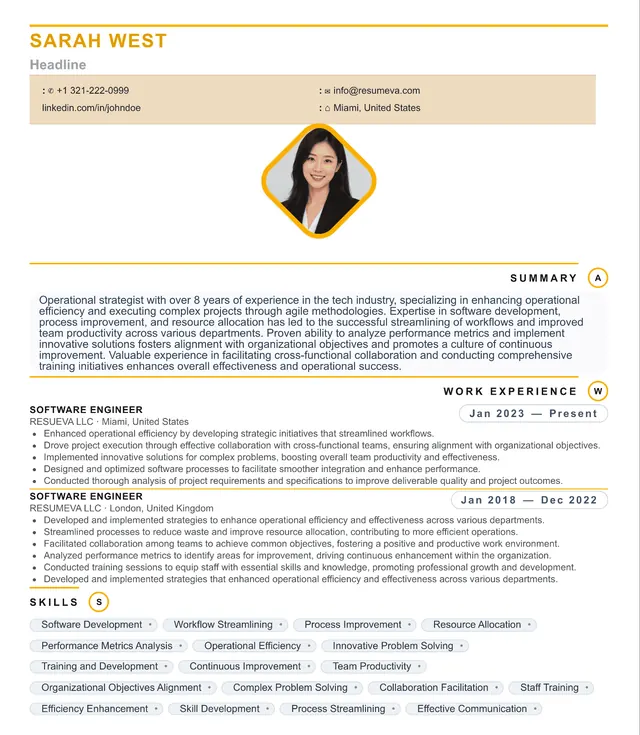
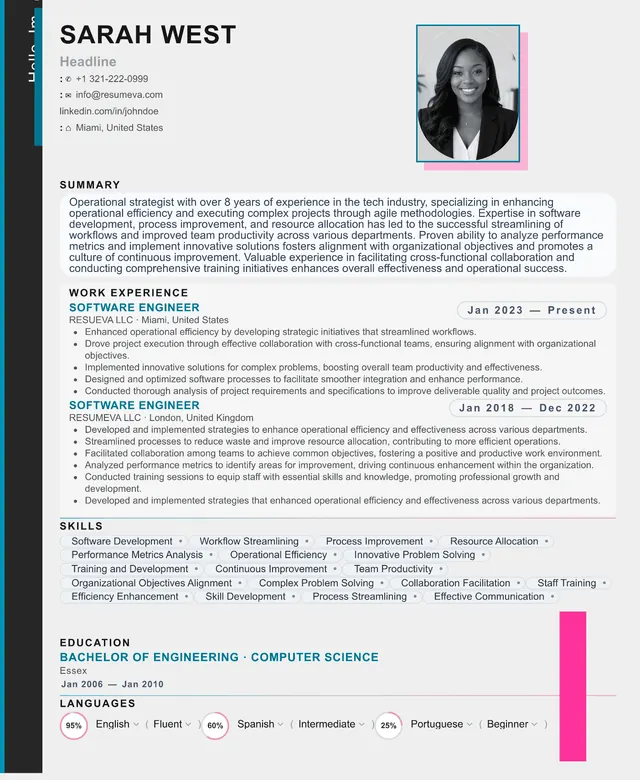
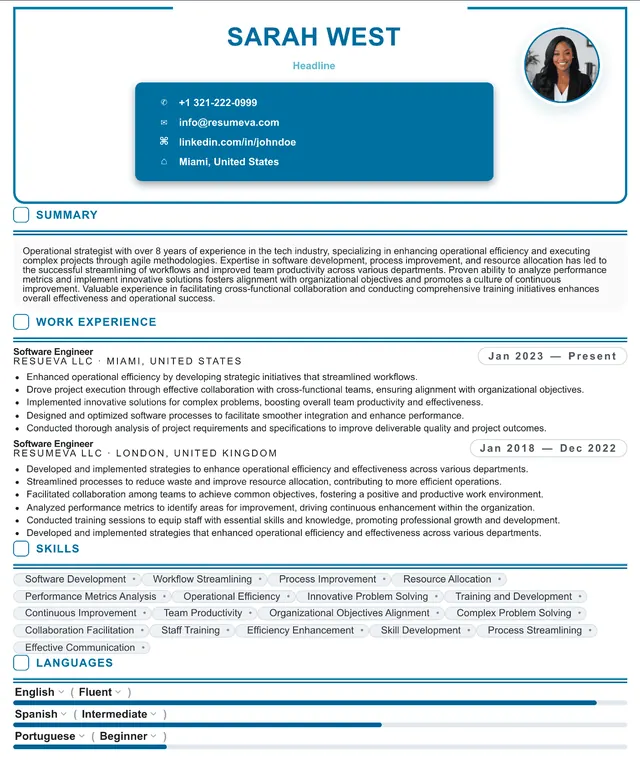
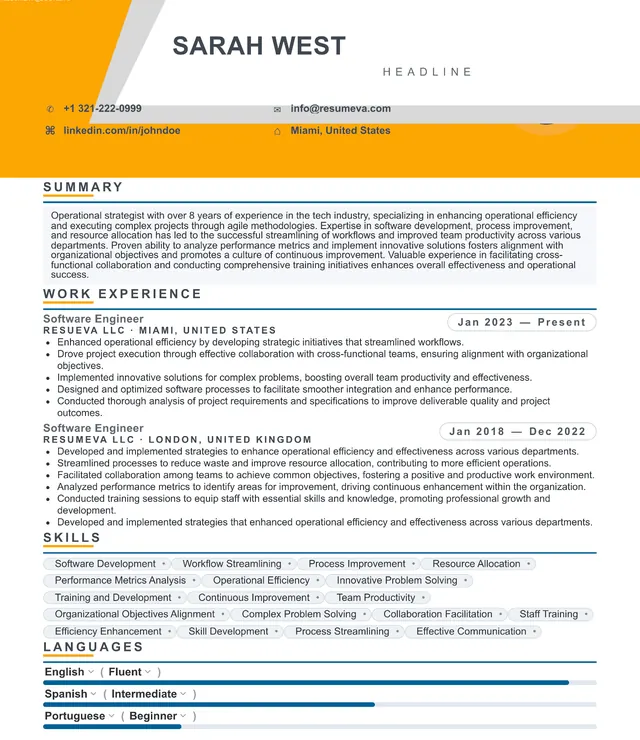
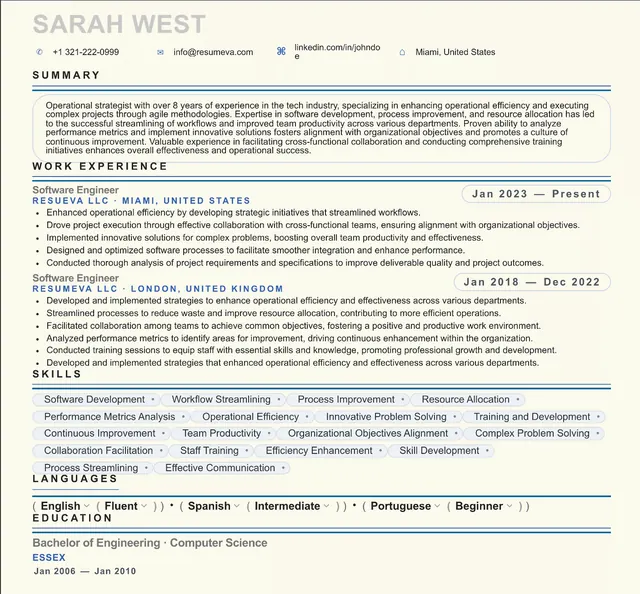
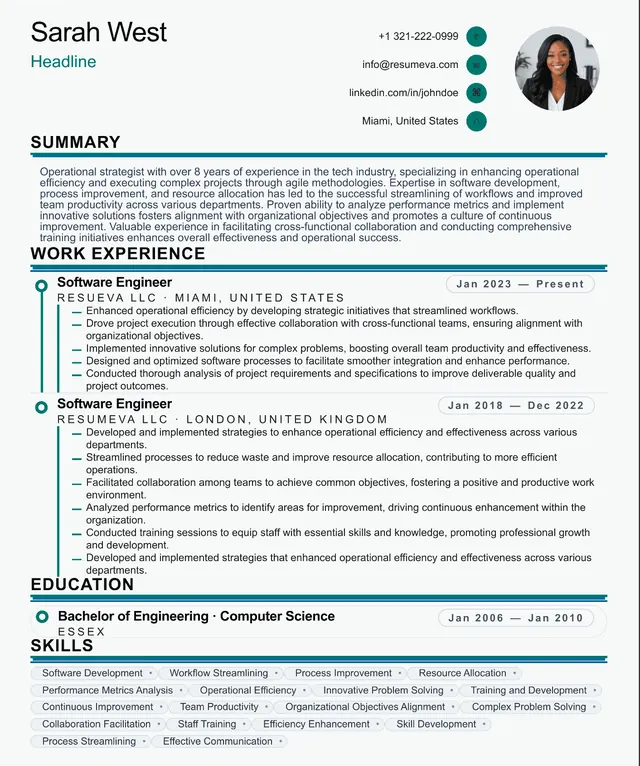
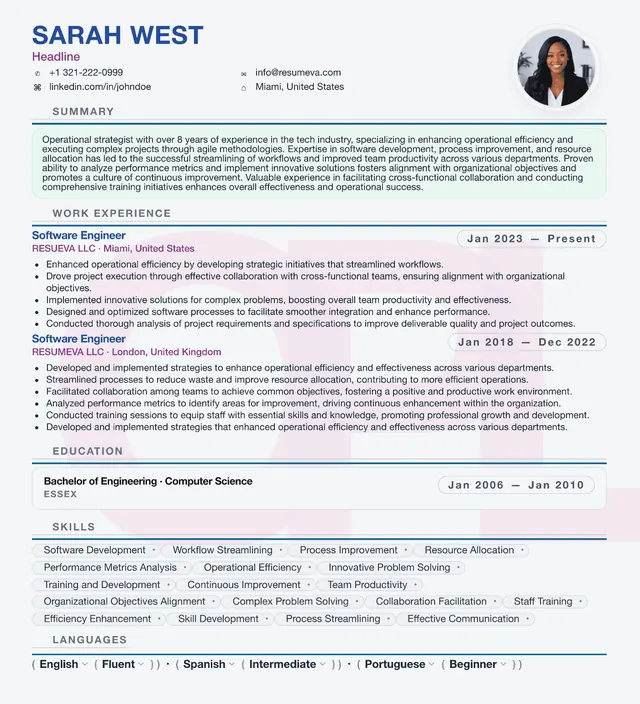
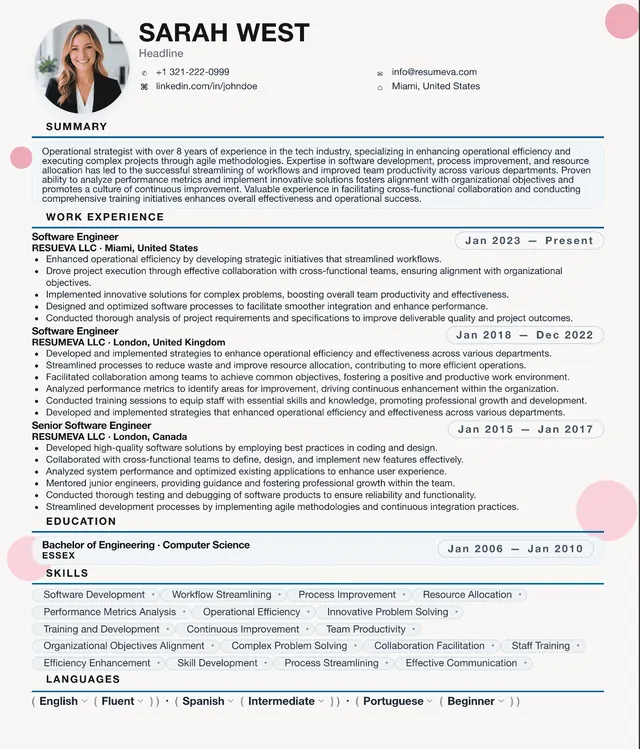
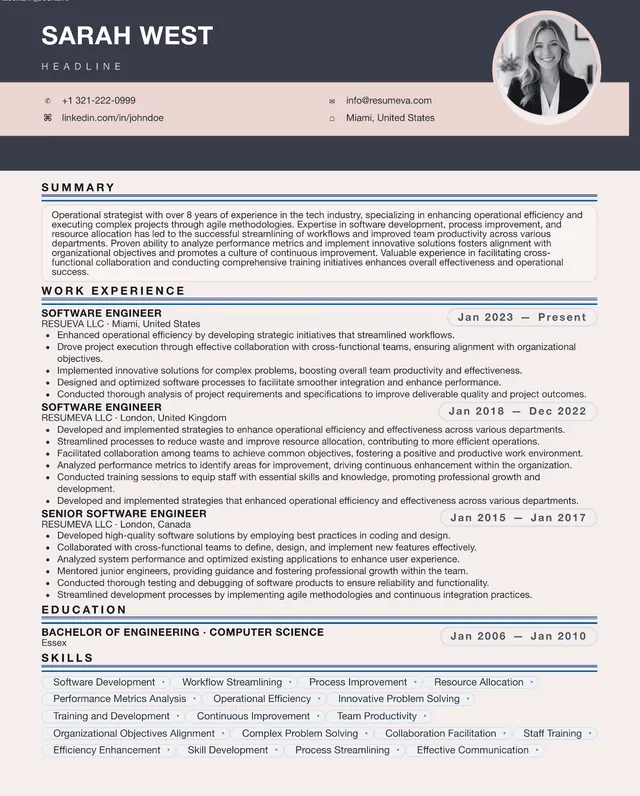
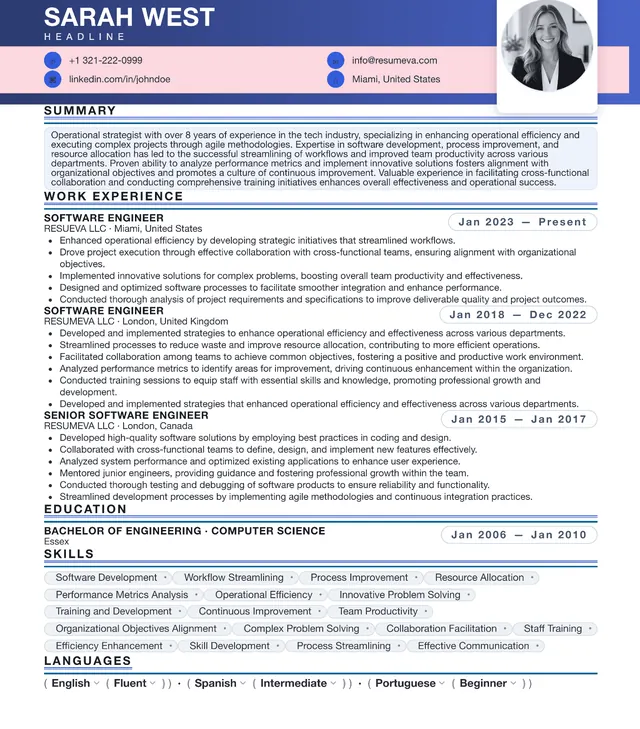
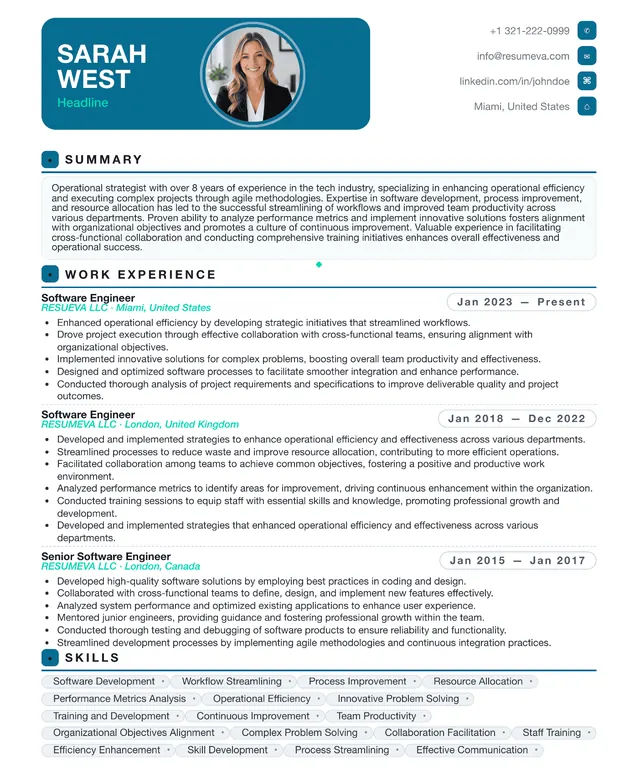
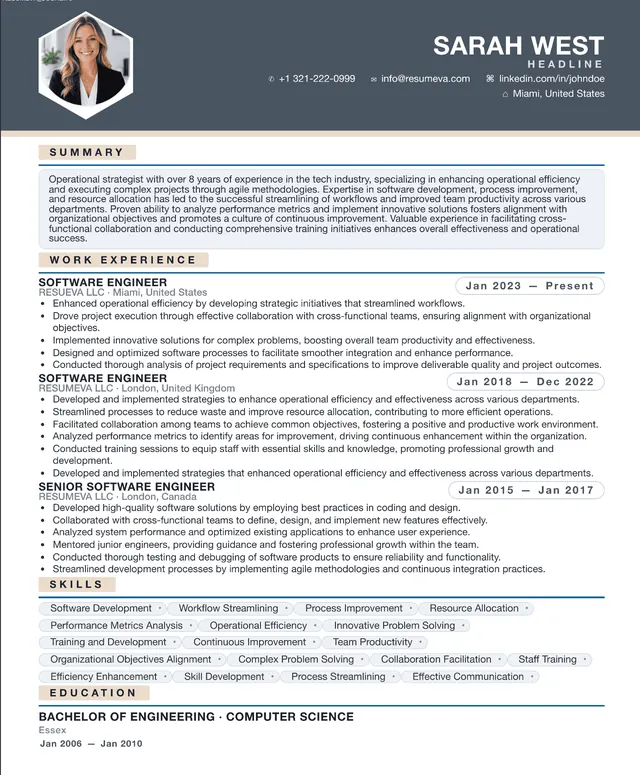
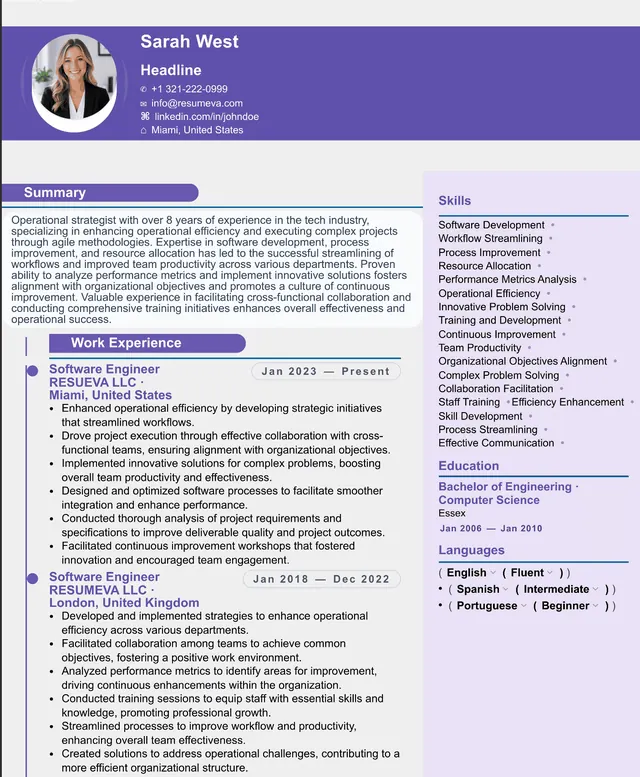
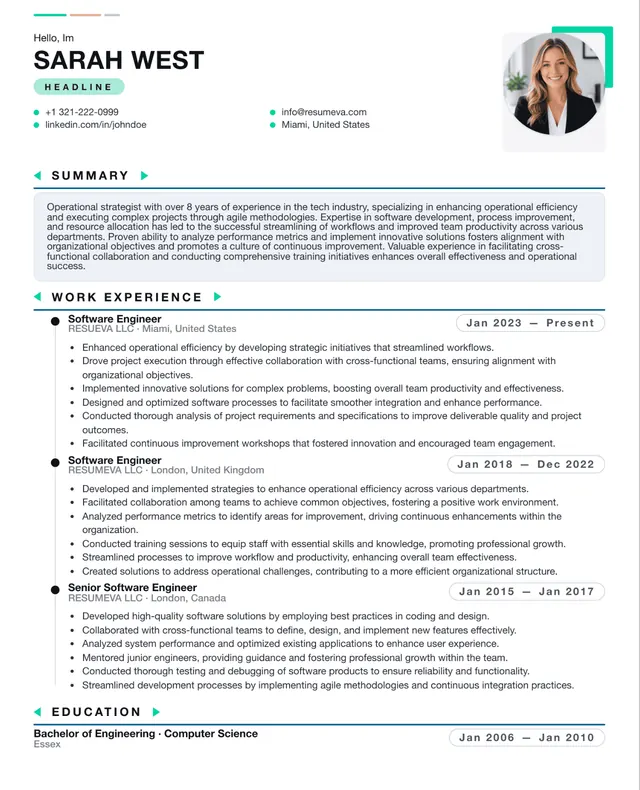
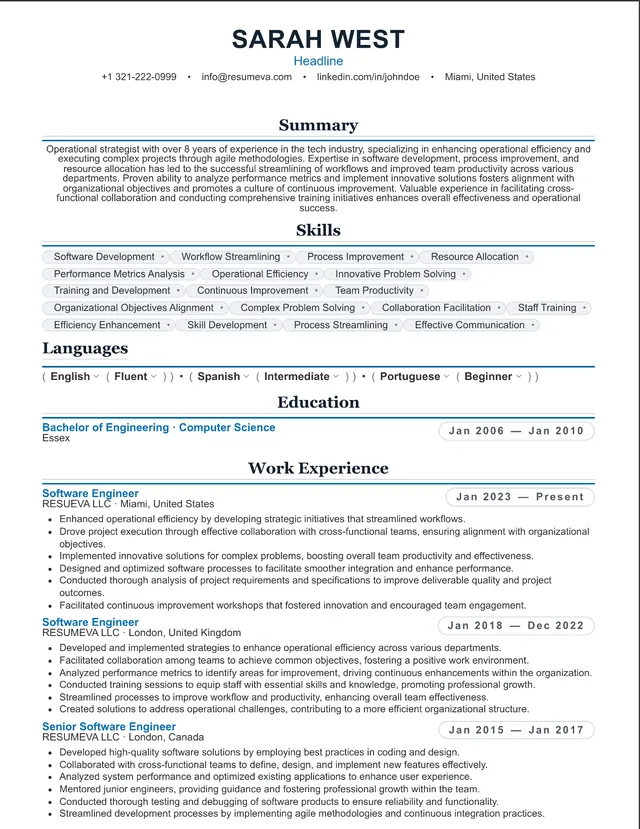
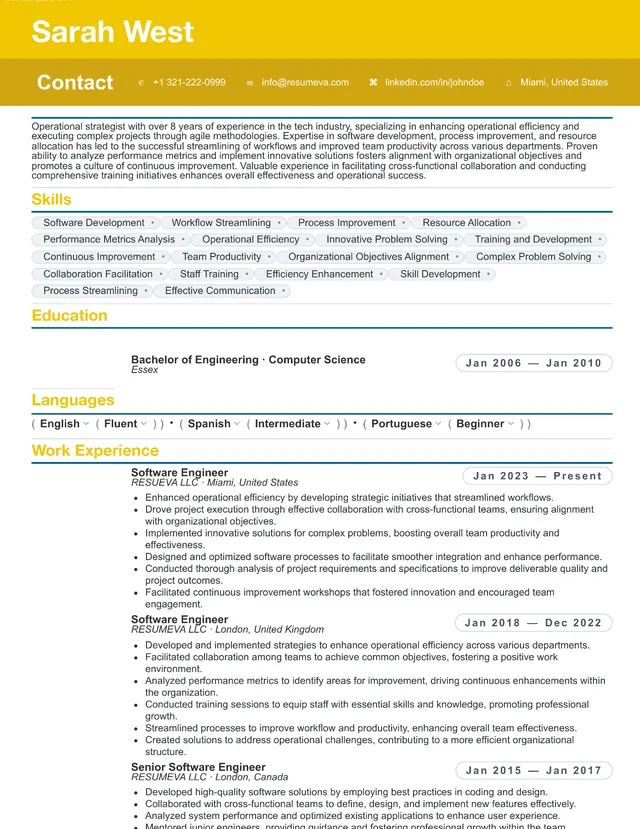
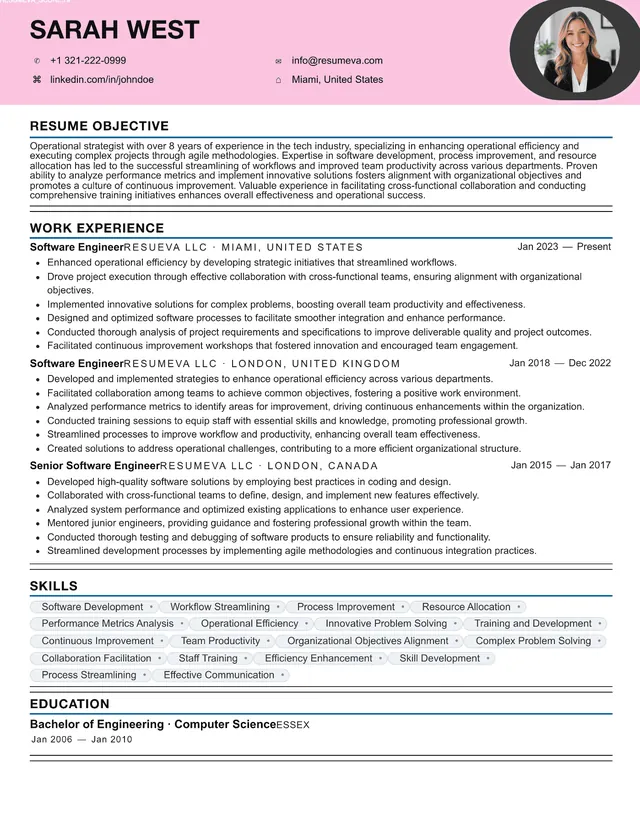
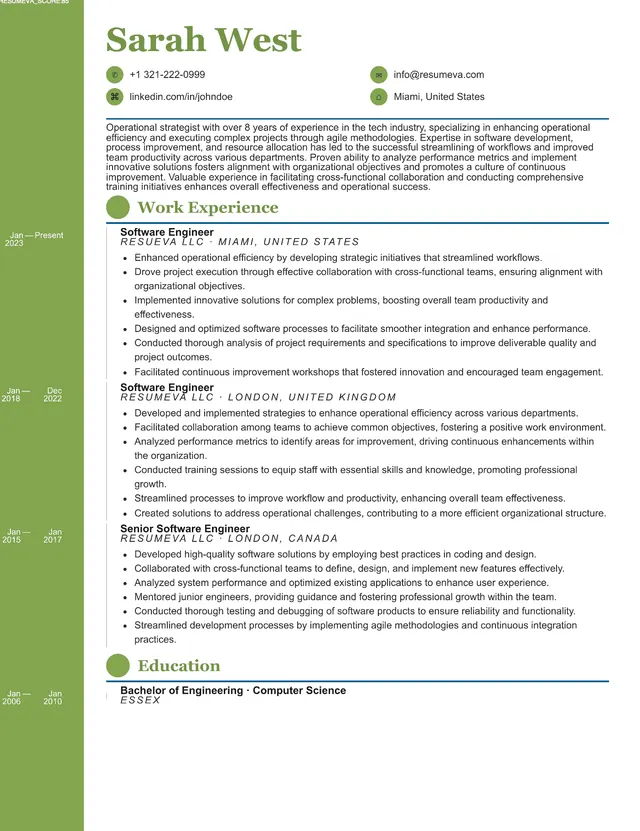
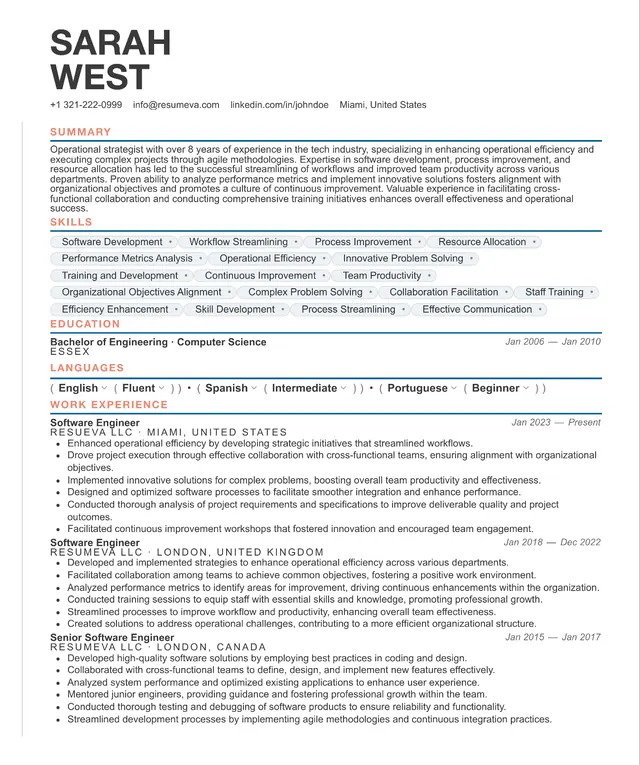
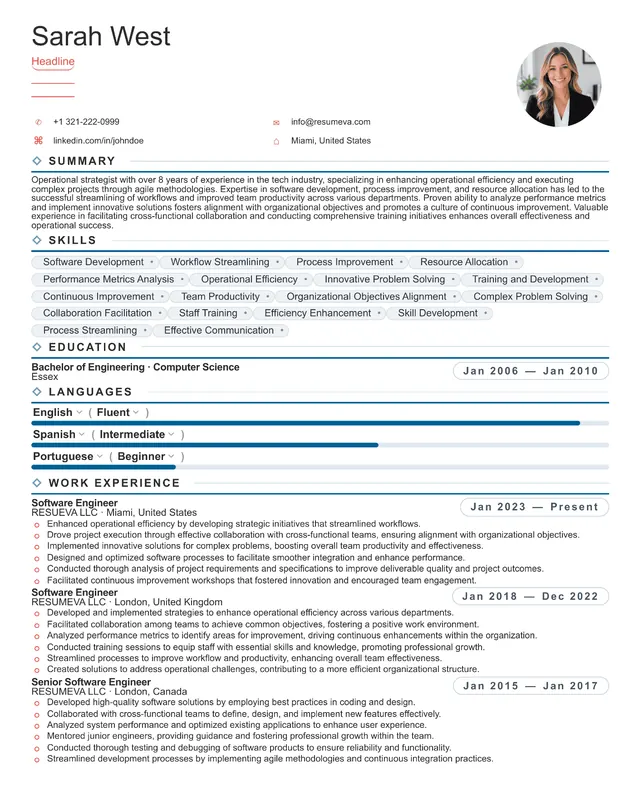
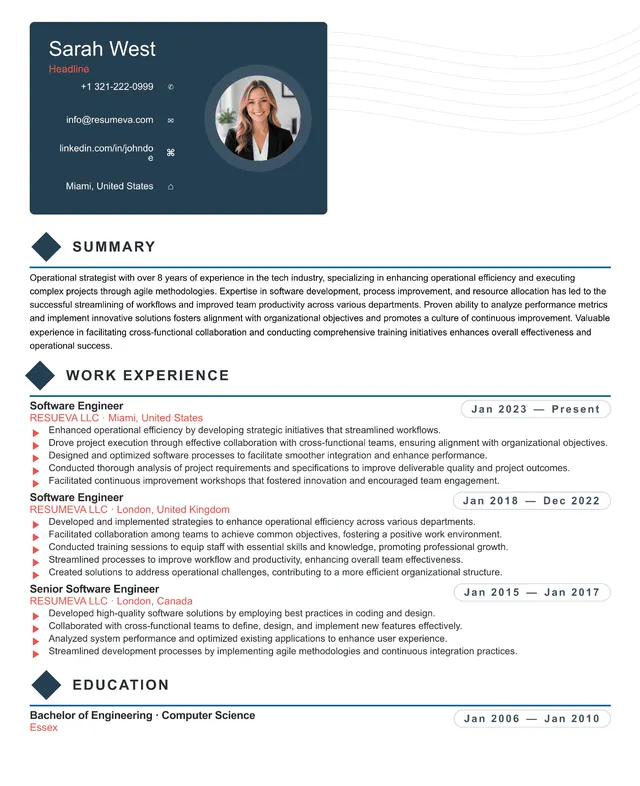
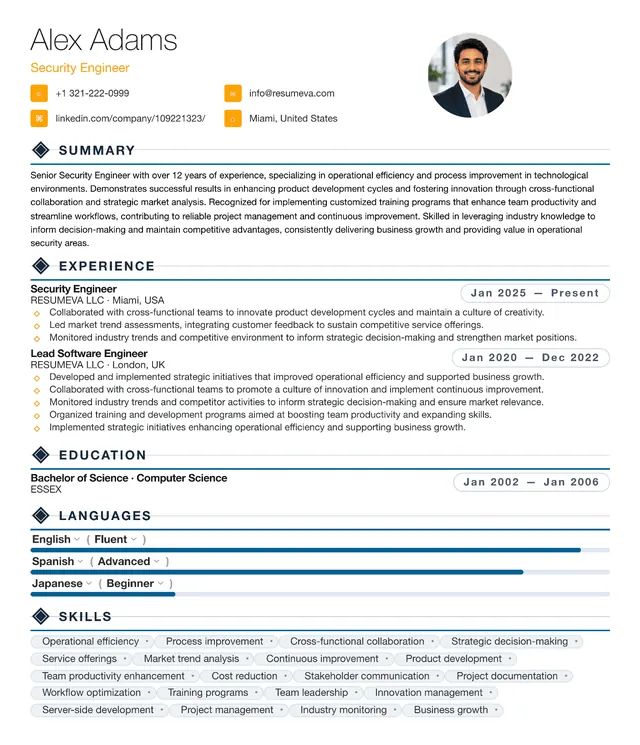
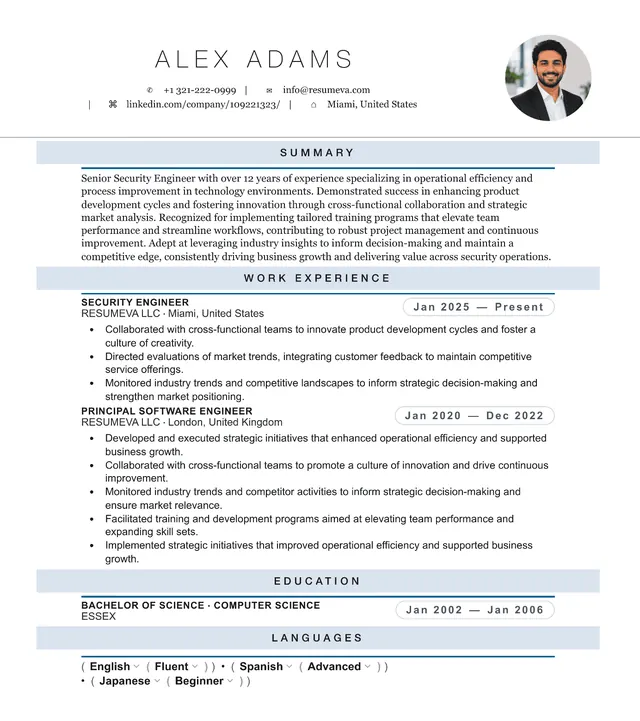
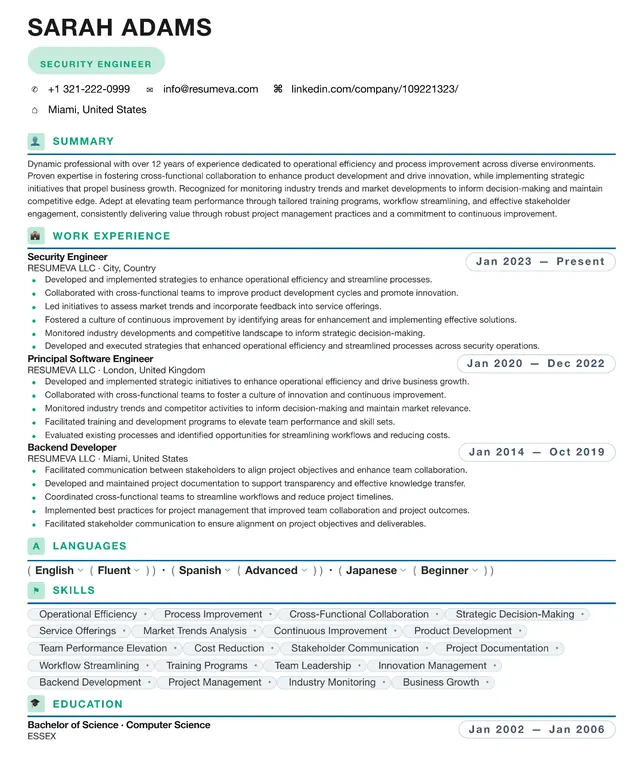
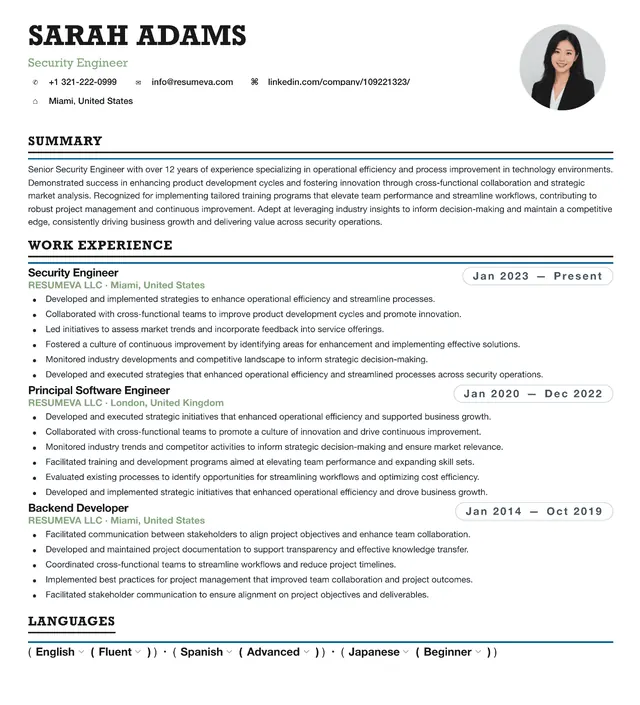
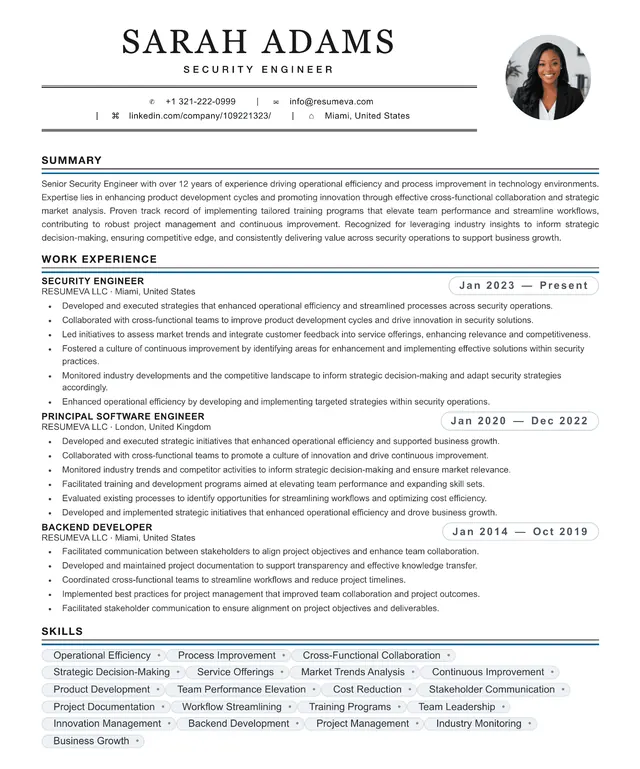
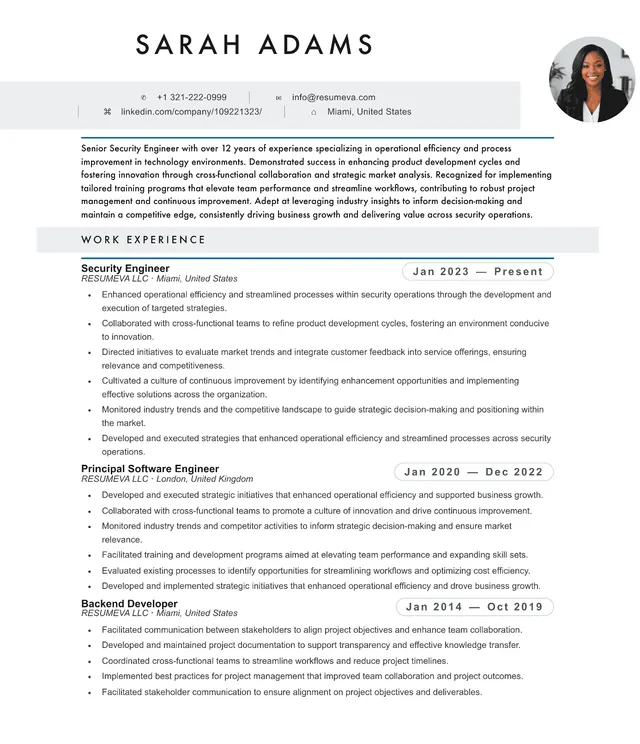
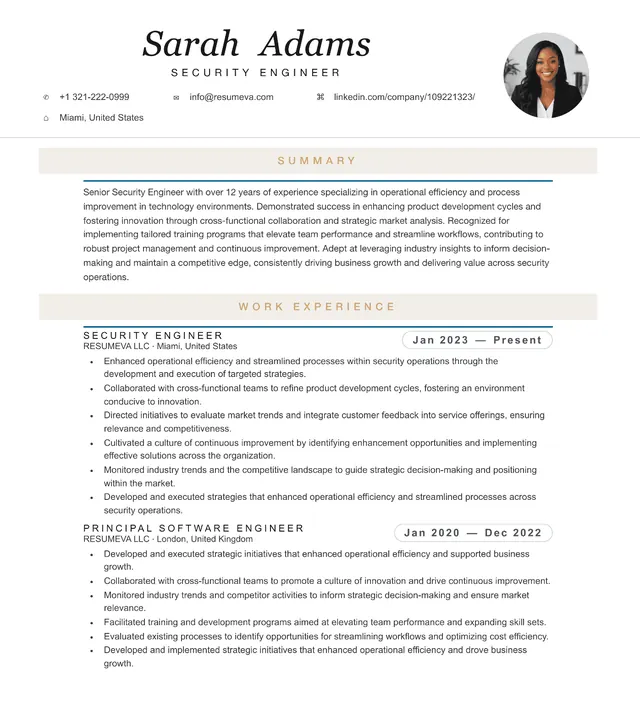
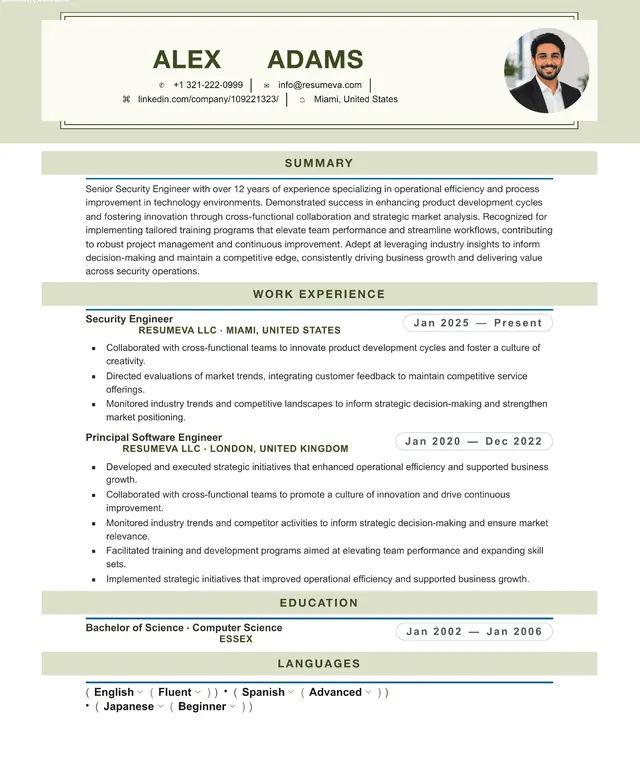
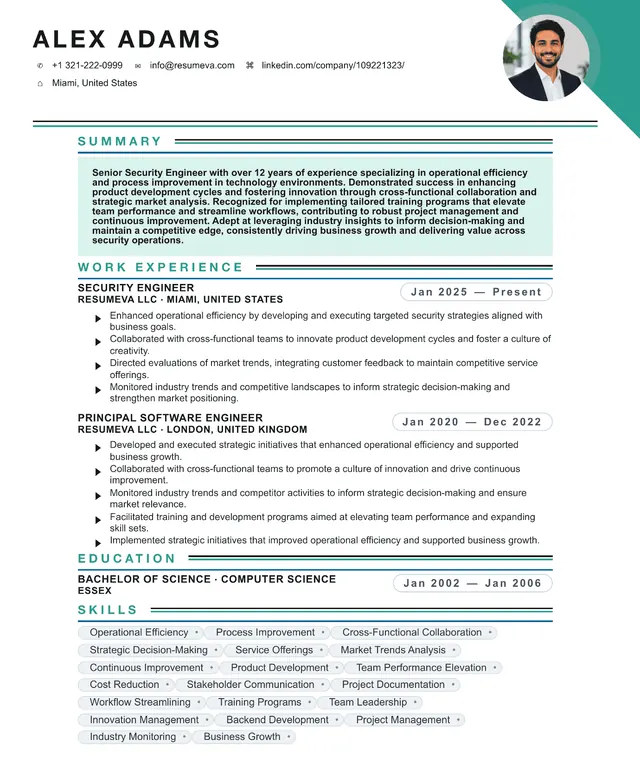
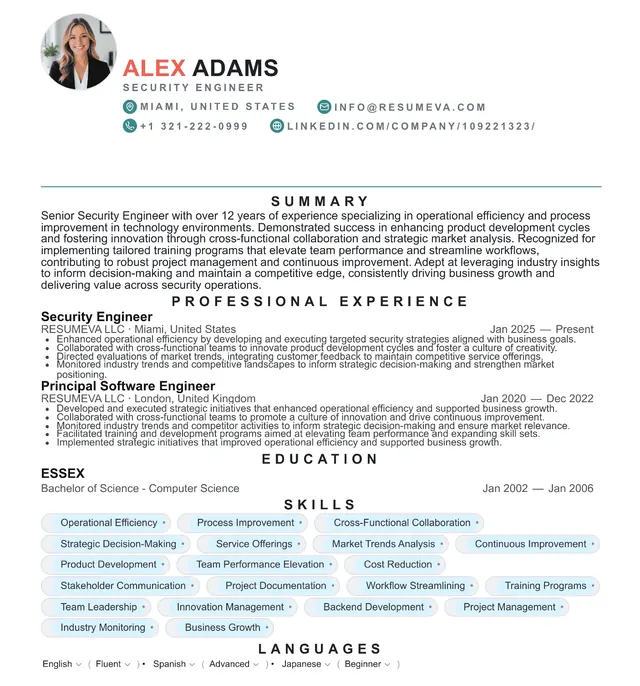
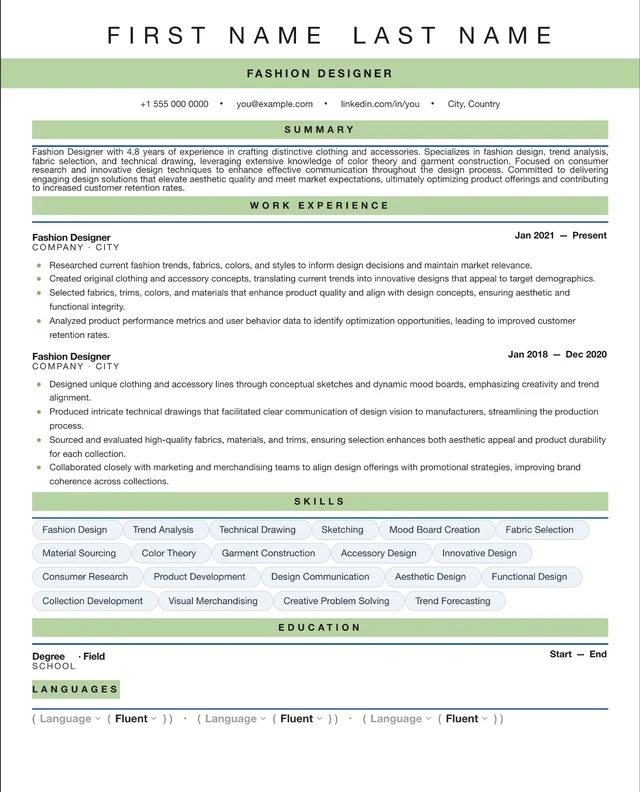
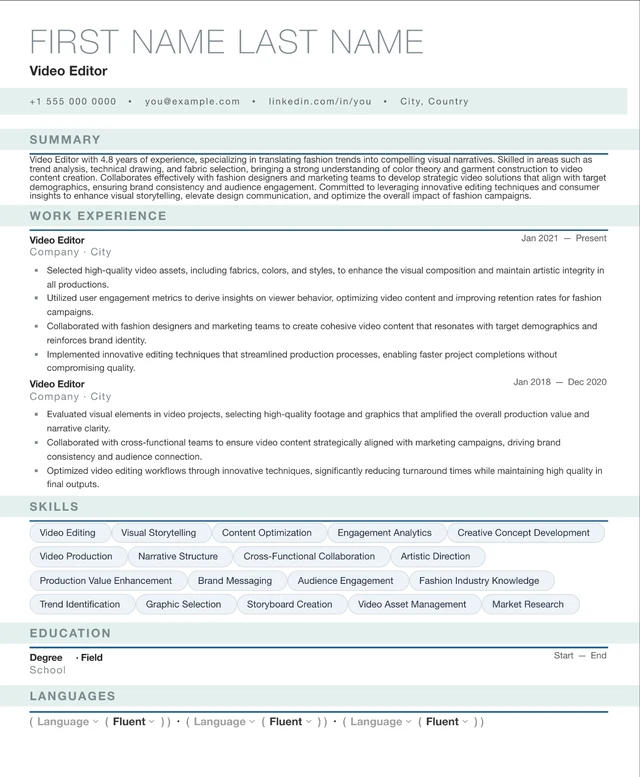
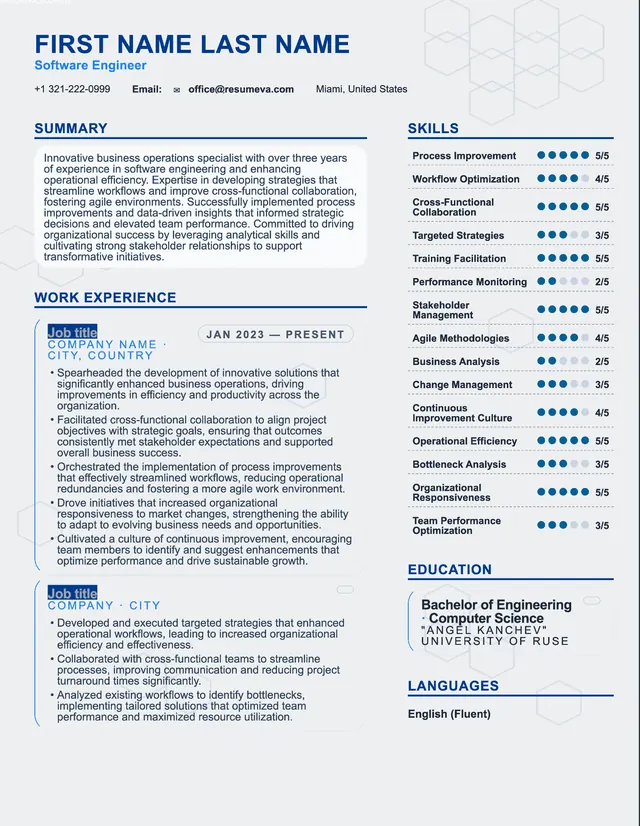
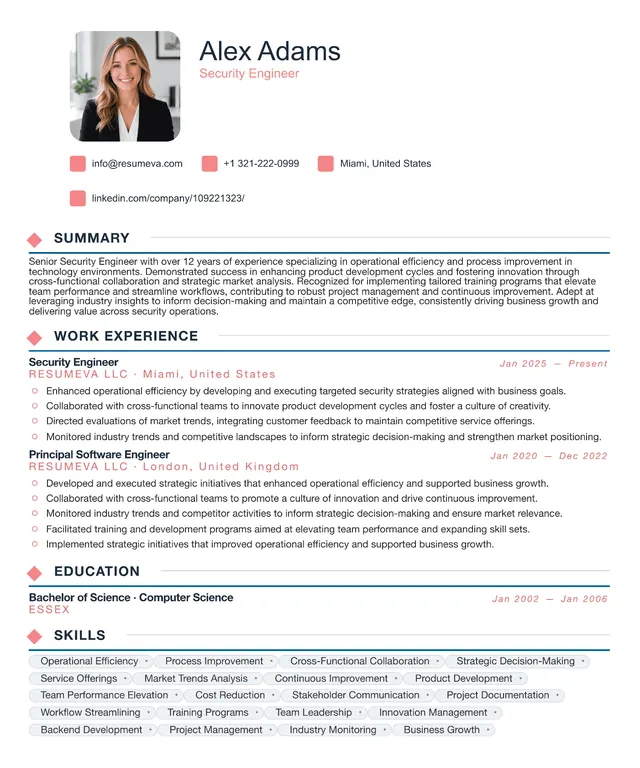
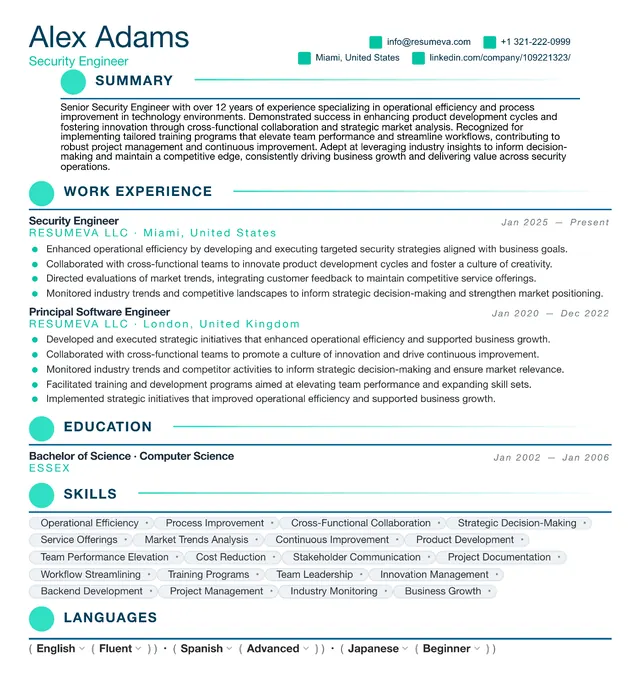
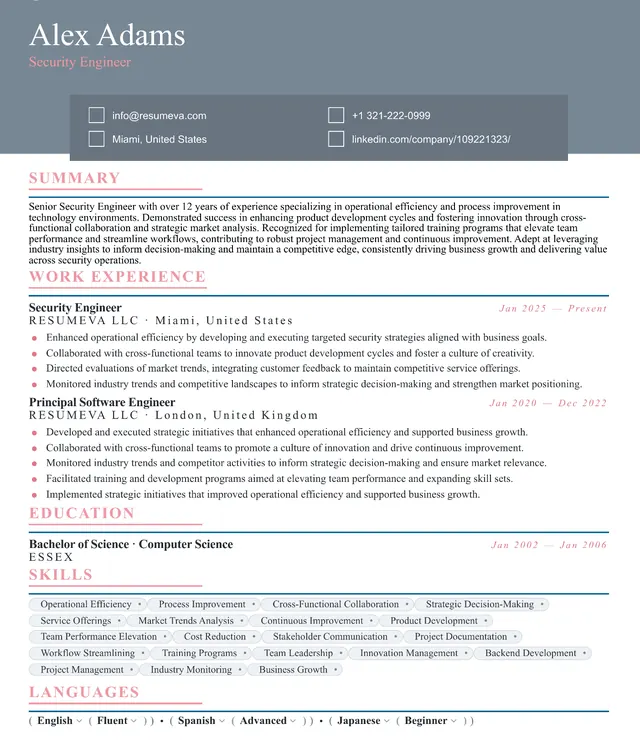
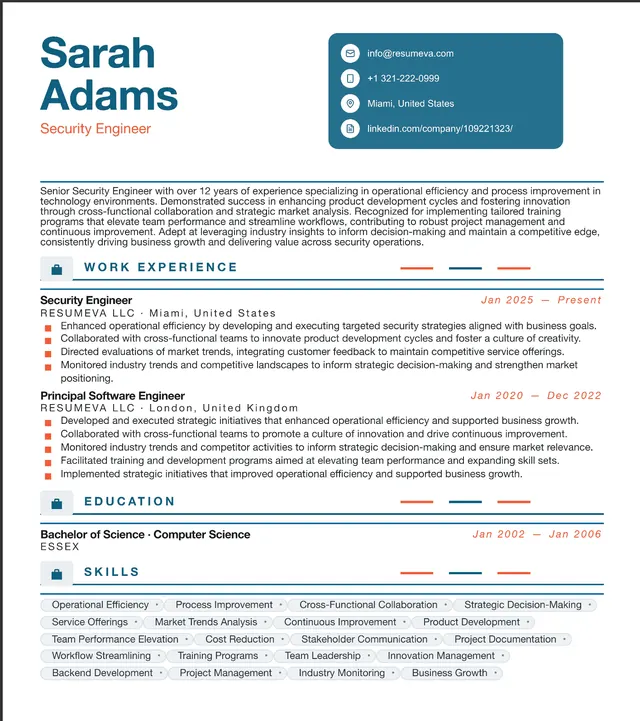
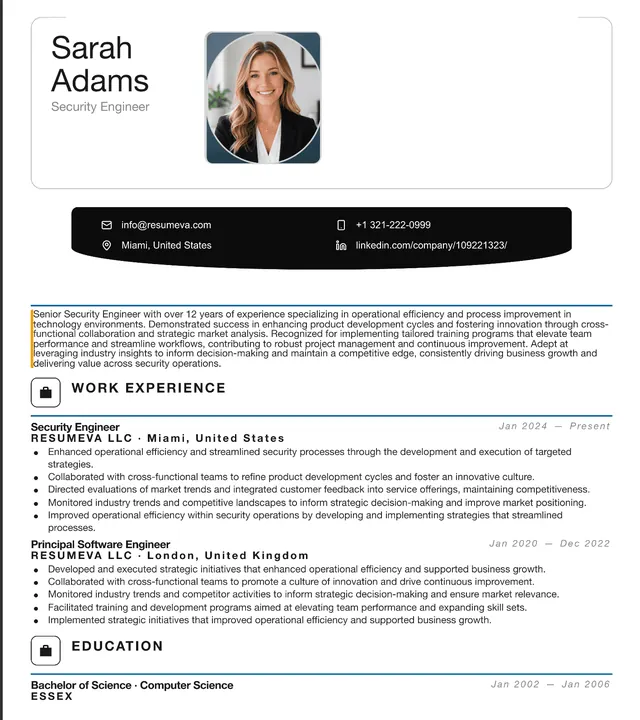
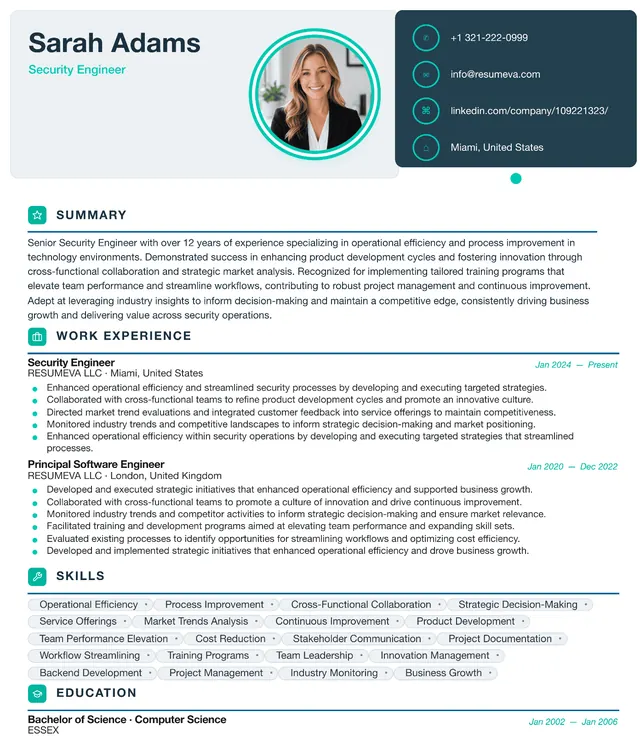
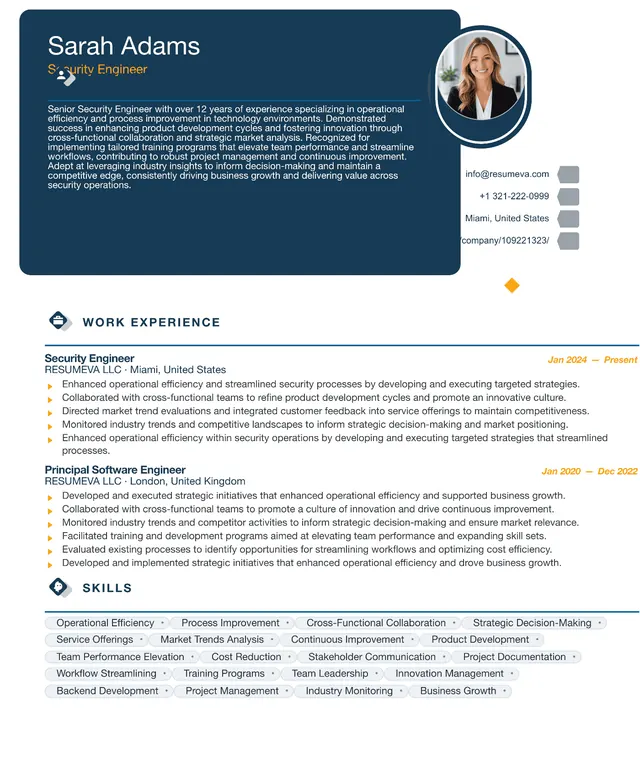
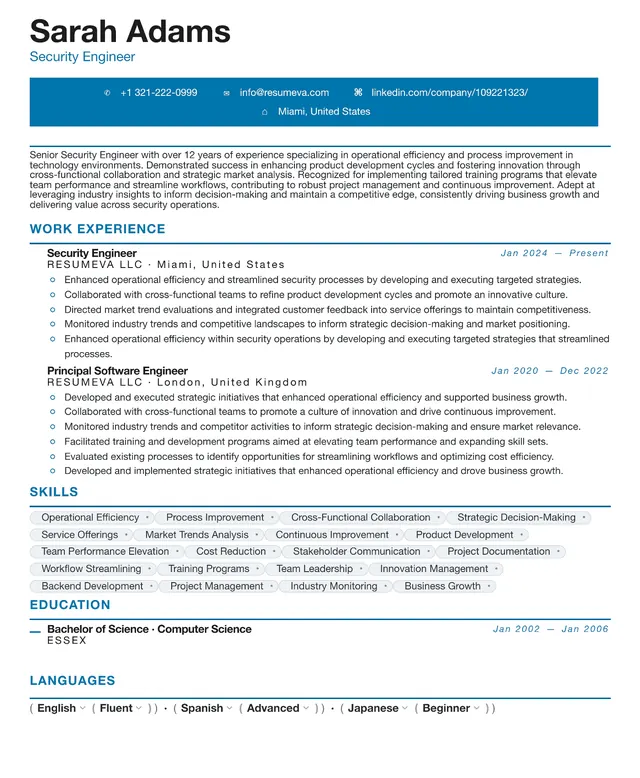
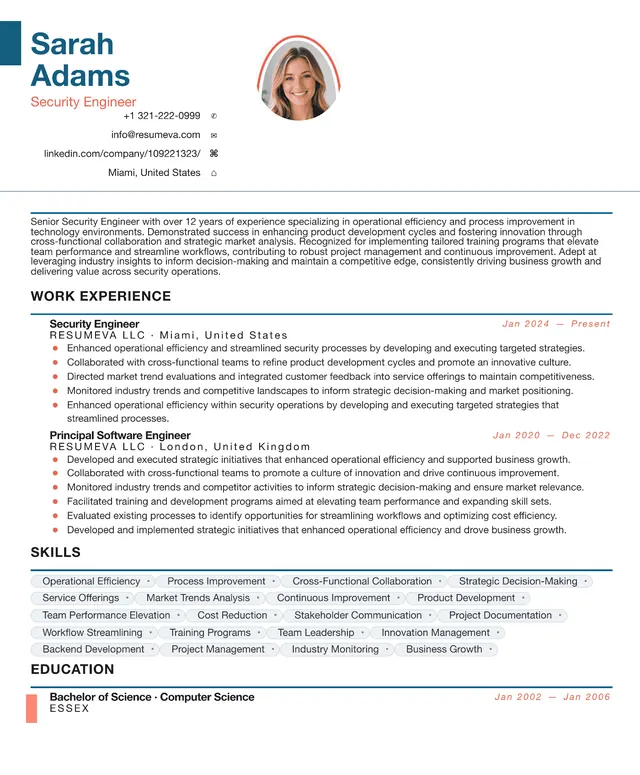
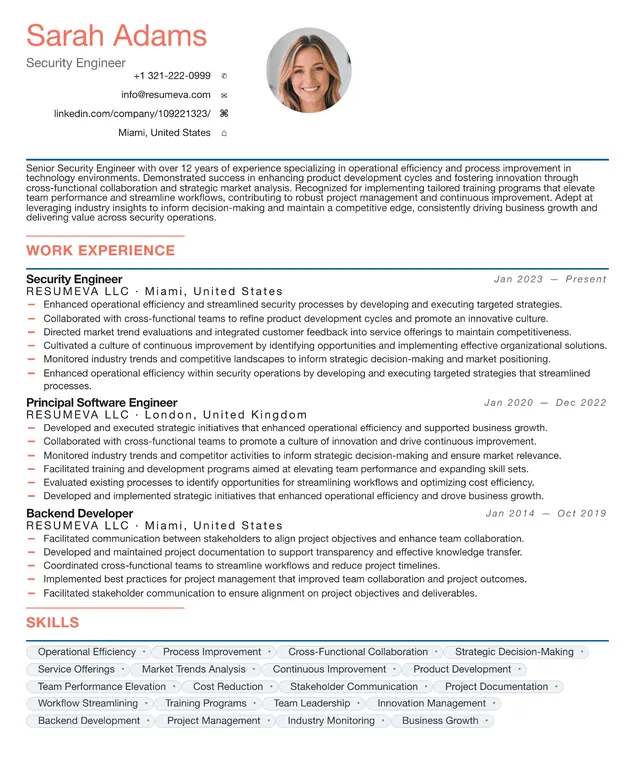
Preview content is fictional. Choosing a template starts a blank resume.
“Popular recently” identifies up to six templates by distinct customers with a saved resume using that template updated during the previous 30 days; it appears only when six templates and at least 20 counted customer-template uses are available. “Featured” is an editorial label, not a popularity ranking.
Traditional resume templates use familiar conventions that can suit finance, law, consulting, healthcare, and academic applications. Their restrained presentation keeps the focus on qualifications and results rather than decoration.
These layouts use a single-column structure, conservative typography, and clear section spacing. Your specific outcomes, credentials, and publications provide the differentiation; the template provides a consistent frame for them.
Who this template is for
- Mid- and senior-level professionals in regulated or conservative industries.
- Executives, partners, and board candidates whose resume needs to read as authoritative on first glance.
- Lawyers, accountants, auditors, and compliance specialists where formatting conservatism is itself a signal.
- Academics and researchers building a CV that lists publications, grants, and teaching alongside roles.
Pros & cons
Pros
- Uses familiar typography and spacing associated with formal applications.
- Serif typography and conservative spacing are the visual language of finance, law, and consulting.
- A straightforward single-column structure reduces common reading-order problems.
- Conservative typography and spacing are intended to remain legible when printed or viewed on screen.
Cons
- Can feel dated if you over-stuff it; whitespace discipline is mandatory.
- Less room for visual personality — your bullets have to carry the entire impression.
- Reads as off-brand at consumer startups and design-led companies.
- Long titles and dense responsibilities can collide with the formal layout if you don't edit tightly.
ATS formatting guidance
Layout profile: Straightforward reading order
These notes describe common document-structure practices, not certification by or a guarantee for any applicant-tracking system. Always follow the employer's file requirements.
- A single-column layout and consistent typography create a straightforward reading order.
- Common section headings such as Experience, Education, Skills, Certifications, and Publications are easier to identify than creative labels.
- No icons or graphical elements inside core content sections.
- Bullets use native list markers rather than image-based glyphs.
Common uses
Investment Banking & PE
A conventional layout keeps attention on transactions, scope, and results.
Big Law & In-house Legal
Conservative typography aligns with how the profession presents itself.
Management Consulting
Pairs naturally with a case-style cover letter and references list.
Healthcare & Medical
Credential-heavy fields benefit from a layout that handles long certification lists cleanly.
Government & Public Sector
A restrained structure can help organize detailed qualifications; always follow the vacancy's current requirements.
Example use cases
VP applying to a board role
Use the Executive variant; lead with the strategic outcomes you owned, not the team size you managed.
Associate moving from law firm to in-house
Reformat matters from chronological time-blocks into outcome bullets tied to deal value.
Tenure-track academic
Use CV mode to organize Publications, Grants, and Teaching as distinct sections.
Continue with this style
Start a blank resume with ExecutiveFrequently asked questions
Are traditional resumes outdated?
Not necessarily. A traditional layout remains a practical option when you want a conservative presentation that keeps attention on experience and credentials.
Can I use a traditional template at a tech company?
Yes — especially for senior, regulated, or finance-adjacent roles inside tech (legal, compliance, finance, internal audit). For engineering or product roles, the modern category is usually a better fit.
Should I use serif or sans-serif on a traditional resume?
Serif (Garamond, Source Serif, or our embedded variant) for finance, law, and academia. Sans-serif is fine for healthcare and government applications.
Do these work for federal USAJOBS applications?
They provide a straightforward starting structure, but federal applications can require more detail than a private-sector resume. Follow the current vacancy instructions and USAJOBS document requirements before submitting.